



Imaging Specialist Diagnostic Services: Expert Guidance and Booking
Imaging specialists are central to diagnosis and care. They offer MRI, CT, ultrasound and X‑ray plus women’s health imaging. This article explains services, preparation, booking and when to consult a specialist so you know how to access imaging services and what to expect.
What Diagnostic Imaging Services Do Imaging Specialists Provide?
Imaging specialists deliver several diagnostic modalities. Each modality has specific uses and clinical benefits.
These modalities support safety and diagnostic accuracy, helping clinicians make informed treatment decisions.
Advanced imaging techniques have reshaped modern medicine, providing the precise information clinicians need for diagnosis and treatment.
Modern Medical Imaging for Disease Diagnosis
Medical imaging is central to diagnosis, treatment and ongoing monitoring. Non-invasive methods such as X‑ray, Positron Emission Tomography (PET), Computed Tomography (CT), Magnetic Resonance Imaging (MRI) and ultrasound let clinicians visualise internal structures without surgery, which aids diagnosis across many conditions.
Recent trend in medical imaging modalities and their applications in disease diagnosis: a review, B Abhisheka, 2024
Overview of MRI, CT Scan, Ultrasound, and X-ray Modalities
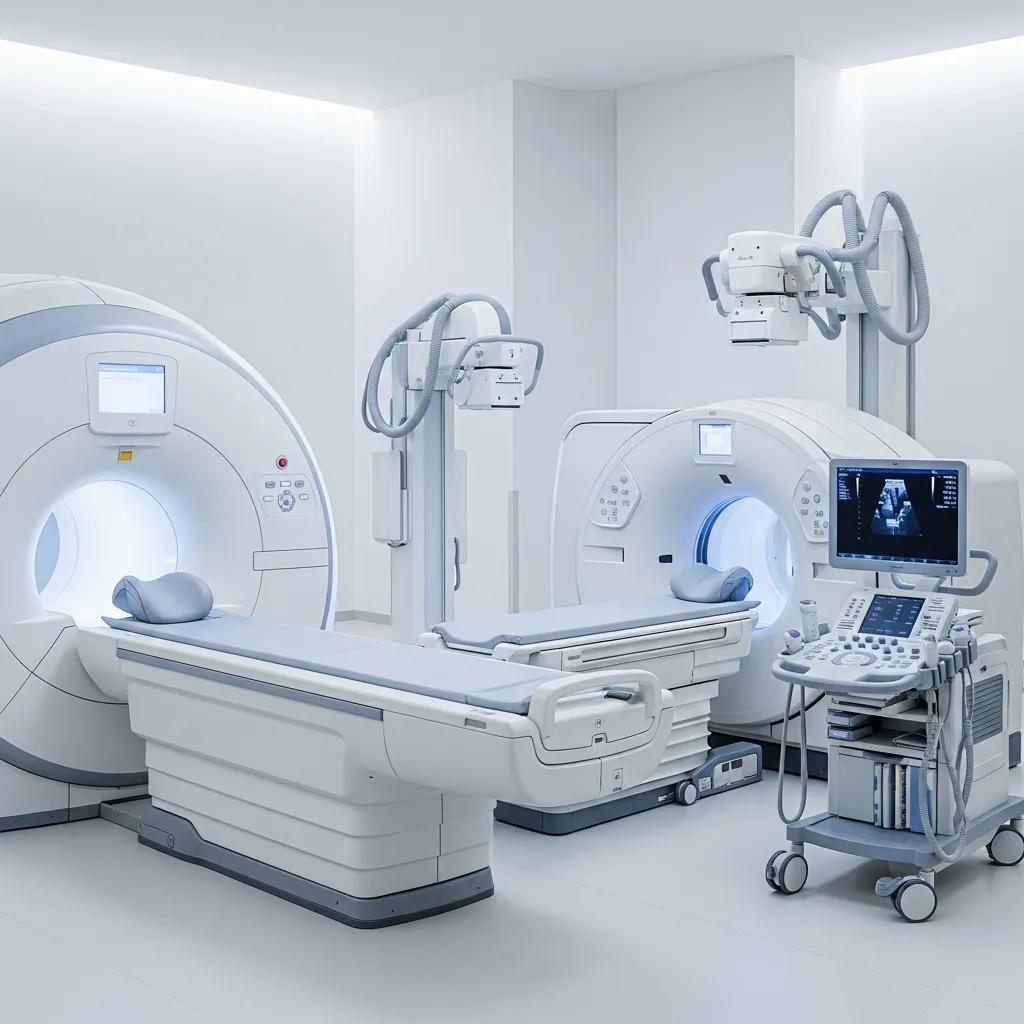
MRI gives excellent soft tissue detail and is commonly used for the brain, spinal cord and joints. CT provides rapid, cross‑sectional images that are vital in emergency and trauma care. Ultrasound delivers safe, real‑time imaging used widely in obstetrics and organ assessment. X‑rays are quick and effective for viewing bones and identifying fractures or some infections.
Specialized Women’s Imaging Services Explained
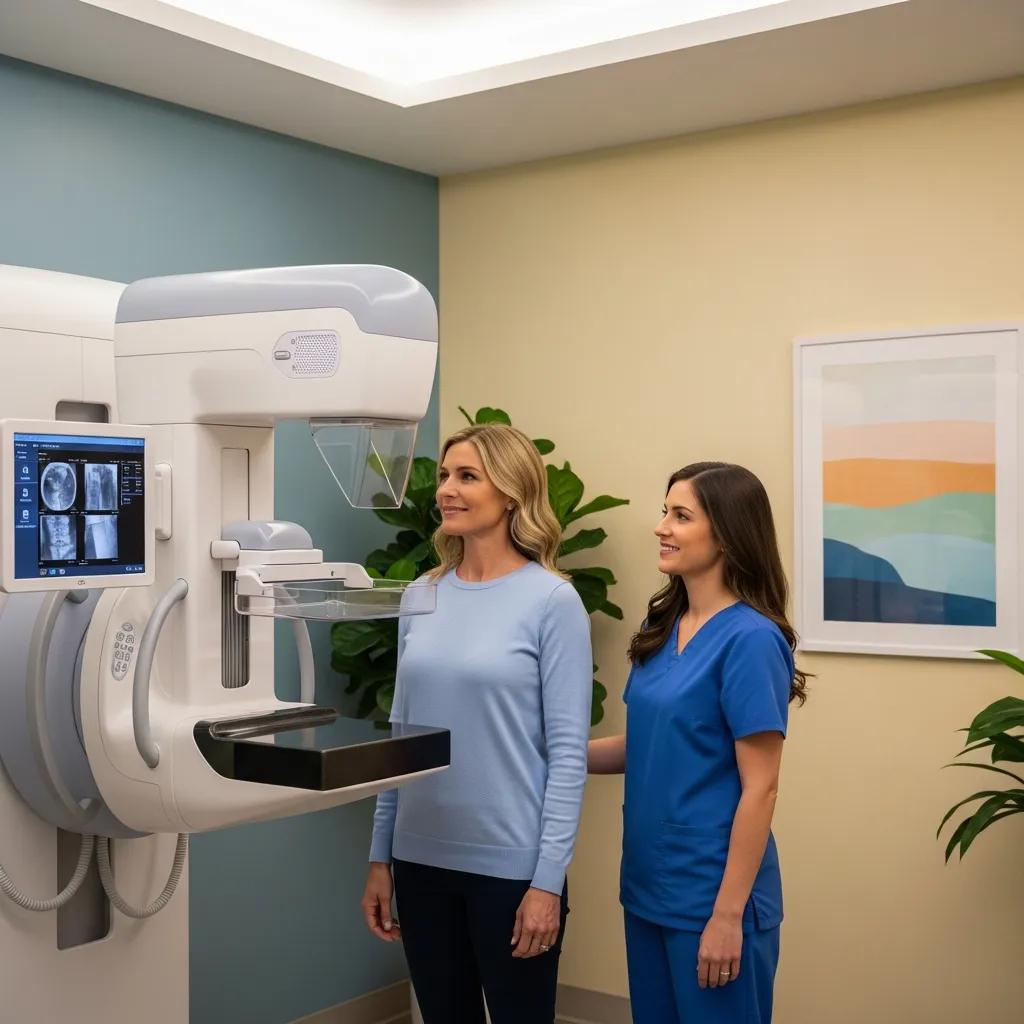
Women’s imaging focuses on breast and reproductive health and commonly includes mammography, breast ultrasound and pelvic ultrasound. Mammograms are vital for early breast cancer screening; ultrasound clarifies findings or examines masses. Pelvic ultrasound evaluates ovarian cysts, uterine conditions and other reproductive concerns to guide targeted care.
How Do I Prepare for My Imaging Specialist Appointment?
Preparation matters. Follow the specific instructions for the type of scan you’ll have to ensure clear images and a smooth visit.
Step-by-Step Patient Preparation Guidelines for MRI and CT Scans
- Consult Your Doctor: Discuss any medications you are taking and inform your doctor of any allergies, especially to contrast materials.
- Follow Dietary Instructions: For certain scans, such as CT with contrast, you may need to fast for several hours beforehand.
- Wear Comfortable Clothing: Avoid clothing with metal fasteners or zippers, as these can interfere with imaging results.
- Arrive Early: Arriving at least 15 minutes early allows time for check-in and any necessary paperwork.
Following these steps helps the scan run smoothly and improves the chances of accurate results.
What to Expect During Your Radiology Consultation
Your imaging consultation will include a review of your medical history and the reason for the study. The specialist will explain the procedure, required preparation and what will happen during the scan. You’ll be asked about symptoms and prior imaging, and safety measures (for example, lead aprons for X‑rays) will be covered to keep you comfortable.
How Can I Book a Consultation with an Imaging Specialist?
Booking is straightforward and can be done through the imaging centre or your referring clinician.
Booking Process at Medical Imaging Centres in New South Wales
Contact your chosen medical imaging centre to book. Have the following information ready to speed up the process:
- Referring Doctor’s Details: Name and contact information.
- Health Insurance Information: To verify coverage for the imaging services.
- Personal Identification: Such as a driver’s license or Medicare card.
To schedule, call Life Imaging on 02 4326 7000. Staff can assist with appointments and answer questions.
Accessing Radiology Consultations and Specialist Referrals
Most radiology consultations require a referral from a general practitioner or specialist. A clear referral tells the imaging team the clinical question and relevant history. Ask your referring doctor to include necessary details to help the process go smoothly.
Using referral guidelines improves the value and efficiency of radiology services across the healthcare system.
Imaging Referral Guidelines for Quality Healthcare
Evidence‑based imaging referral guidelines improve care and outcomes while helping to reduce costs. These guidelines are a key element in enhancing the value of radiology within healthcare systems.
Impact and effect of imaging referral guidelines on patients and radiology services: a systematic review, YX Tay, 2025
When Should I See an Imaging Specialist?
Knowing when to consult a specialist helps secure timely diagnosis and treatment.
Common Symptoms and Conditions Requiring Diagnostic Imaging
Consider seeing an imaging specialist if you have any of the following:
- Persistent Pain: Unexplained or chronic pain in any part of the body.
- Unusual Symptoms: Symptoms such as unexplained weight loss, fever, or fatigue.
- Injuries: Suspected fractures or injuries that require further evaluation.
These signs can indicate conditions that need imaging for accurate assessment and effective management.
How Imaging Specialists Support Patient Diagnosis and Care
Imaging specialists produce detailed images that help identify medical problems and guide treatment. Their reports enable accurate diagnoses and inform clinical decisions. Working with referring clinicians, they help ensure care addresses all relevant aspects of a patient’s health.
For women’s specific needs, Life Imaging offers specialised services tailored to those concerns.
Frequently Asked Questions
What should I expect during my first imaging appointment?
Expect check‑in where staff confirm your details and insurance. The specialist will review your history, explain the scan and any preparation, and describe what will happen. This is a good time to ask questions about the procedure or technology used.
Are there any risks associated with diagnostic imaging?
Diagnostic imaging is generally safe. X‑rays and CT scans use ionising radiation, but risks are low and balanced against diagnostic benefits. MRI and ultrasound do not use radiation. Discuss concerns with your imaging specialist who can explain safety measures and necessity.
How long do imaging results typically take to be available?
Result times vary by test and facility. Preliminary findings may be available within hours to a day. Final reports with detailed radiologist analysis can take several days. Your imaging centre will advise the expected timeline and how to access results.
Can I bring someone with me to my imaging appointment?
You can usually bring a family member or friend for support. Some procedures may restrict companions for safety or sterility reasons. Check with the imaging centre beforehand to confirm their policy on companions.
What should I do if I have claustrophobia and need an MRI?
If you have claustrophobia, tell your doctor and the imaging centre in advance. Options include open MRI scanners or sedation to help you relax. Discussing concerns with the imaging team lets them arrange appropriate support to improve your comfort.
Are there any specific preparations for ultrasound imaging?
Preparation depends on the type of ultrasound. For abdominal scans you may need to fast for several hours. For pelvic scans a full bladder is often required, so you may need to drink water before your appointment. Follow the instructions given by your healthcare provider or the imaging centre.
Conclusion
Knowing the role of imaging specialists helps you make informed choices about diagnostic care. With MRI, CT, ultrasound and X‑ray, you can receive accurate diagnoses that support effective treatment. Recognise symptoms that need imaging and act promptly. Contact a trusted imaging specialist to have your health concerns assessed without delay.