


Core Needle Biopsy Benefits You Should Know: Understanding Procedure Advantages and Patient Outcomes
Core needle biopsy (CNB) is a minimally invasive method to obtain tissue for diagnosis. Widely used in diagnostic imaging, it provides high accuracy for many conditions, including cancers. Patients often choose CNB for its effectiveness and faster recovery compared with open surgical biopsy. This article explains the CNB technique, benefits, risks, and key preparation and aftercare to help informed decision-making.
Key Takeaways
- Core needle biopsy is a minimally invasive procedure that extracts tissue samples for accurate diagnosis.
- The procedure uses imaging guidance and a hollow needle to obtain sufficient tissue for analysis.
- Core needle biopsy offers higher diagnostic accuracy compared to fine needle aspiration techniques.
- The procedure involves less pain and trauma, resulting in reduced recovery time for patients.
- Common risks include bleeding, infection, and discomfort, which are managed through sterile techniques and monitoring.
- Patients should inform providers about medications, follow fasting instructions, and arrange transportation if sedation is used.
- Proper aftercare includes keeping the biopsy site clean, monitoring for complications, and attending follow-up appointments.
- Core needle biopsy is typically performed on an outpatient basis, allowing patients to return home shortly after.
What Is a Core Needle Biopsy and How Is It Performed?
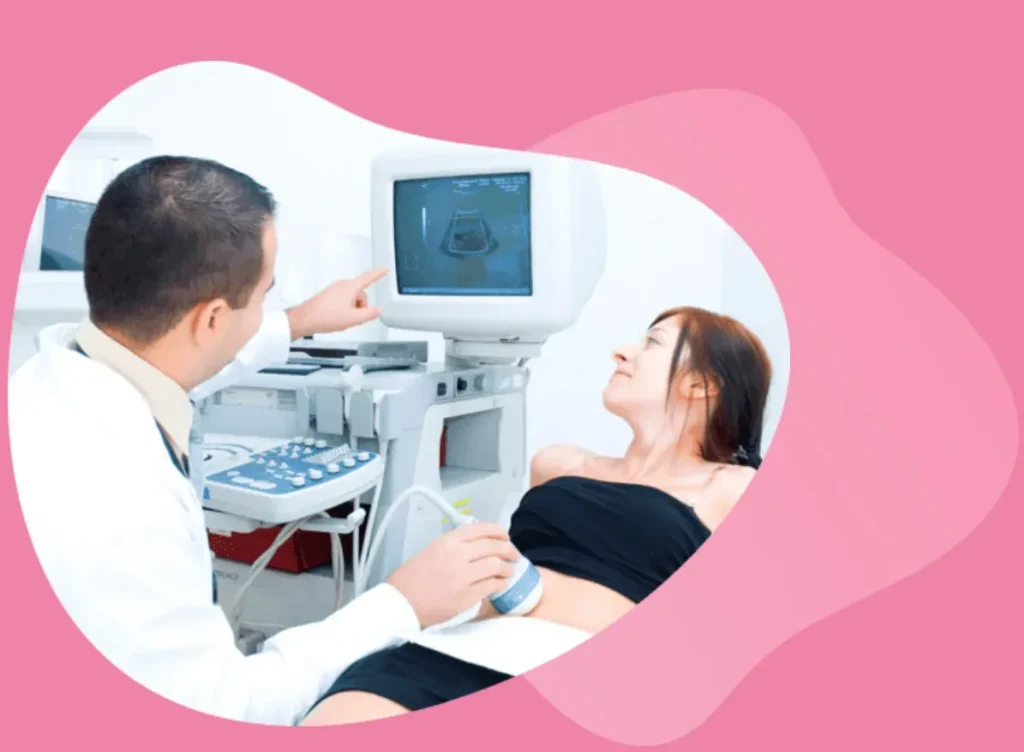
A core needle biopsy obtains a tissue sample from a suspicious area using imaging guidance such as ultrasound or CT. A hollow needle extracts a cylindrical specimen for histology. Selected for precision and adequate material, the brief procedure (often under an hour) is usually performed on an outpatient basis.
What Are the Key Advantages of Core Needle Biopsy?

Core needle biopsy presents a number of advantages that support its use in many diagnostic pathways:
- Minimally Invasive Nature: Unlike open surgical biopsies, CNB requires only a small incision, resulting in less trauma to the body and reduced pain for the patient.
- High Diagnostic Accuracy: The procedure provides a larger tissue sample than fine needle aspiration, which enhances the likelihood of obtaining a definitive diagnosis.
- Reduced Recovery Time: Patients typically experience quicker recovery times and can often resume normal activities within a few days.
Life Imaging, a diagnostic imaging provider in Australia, offers advanced radiology services, including core needle biopsies, ensuring that patients receive high-quality care throughout the process.
What Are the Risks and Safety Measures Associated with Core Needle Biopsy?
Core needle biopsy is generally safe but carries risks such as bleeding, local infection and site discomfort; clinicians mitigate these through established safety measures.
- Sterile Technique: Ensuring a sterile environment during the procedure to prevent infections.
- Post-Procedure Monitoring: Patients are monitored for any immediate complications after the biopsy.
- Patient Education: Providing clear instructions on what to expect and how to care for the biopsy site post-procedure.
Clear information about risks and the safety measures in place helps patients prepare for the procedure and understand the steps taken to minimise complications.
How Should Patients Prepare for and Care for Themselves After a Core Needle Biopsy?

Preparation for a core needle biopsy normally requires a few practical steps to ensure the procedure proceeds safely. Patients are advised to:
- Discuss Medications: Inform their healthcare provider about any medications they are taking, especially blood thinners, which may need to be adjusted prior to the procedure.
- Follow Fasting Instructions: If sedation is planned, patients may need to fast for a certain period before the biopsy.
- Arrange Transportation: Since some patients may receive sedation, arranging for someone to drive them home is recommended.
After the biopsy, appropriate aftercare supports recovery. Patients should:
- Keep the Biopsy Site Clean: Follow instructions for cleaning and caring for the biopsy site to prevent infection.
- Monitor for Complications: Be vigilant for signs of excessive bleeding or infection, such as increased pain, swelling, or fever.
- Follow Up: Attend any scheduled follow-up appointments to discuss biopsy results and further care.
For women’s health needs, Life Imaging offers specialized services tailored to address specific concerns and provide comprehensive care.
Following the recommended preparation and aftercare guidance can improve recovery and support the best possible diagnostic outcomes.
Frequently Asked Questions
What types of conditions can be diagnosed with a core needle biopsy?
Core needle biopsy is used to diagnose a variety of conditions, including cancers such as breast, lung and prostate cancer. It also aids in identifying benign tumours, infections and inflammatory disorders. The larger tissue sample obtained with CNB allows pathologists to perform detailed analyses that are important for selecting appropriate treatment and monitoring disease progression.
How does core needle biopsy compare to other biopsy methods?
Core needle biopsy is often preferred to fine needle aspiration because it yields a larger tissue sample, which improves diagnostic accuracy. Fine needle aspiration can be less invasive and cause less discomfort, but it may provide insufficient material for definitive histological assessment. CNB provides a cylindrical specimen that supports more comprehensive laboratory evaluation.
Is sedation necessary for a core needle biopsy?
Sedation need depends on the clinical context and patient comfort. Many CNB procedures use local anaesthesia to numb the site. Sedation may be offered for anxious patients or for more complex procedures. Discuss options with your clinician beforehand.
What should I expect during the recovery period after a core needle biopsy?
Recovery after a core needle biopsy is usually short. Most patients experience mild soreness or tenderness at the biopsy site, which is manageable with over-the-counter analgesics. Monitor the site for signs of infection or excessive bleeding, avoid strenuous activity for a few days, and follow any aftercare instructions from your clinician.
How long does it take to receive biopsy results?
Biopsy results from a core needle biopsy are typically available within a few days to a week. The exact timeframe varies according to laboratory workload and the complexity of the required analyses. Patients should arrange follow-up with their healthcare provider to review results and discuss any recommended next steps.
Can I eat or drink before the procedure?
Whether patients may eat or drink before a CNB depends on the type of anaesthesia. If only local anaesthesia is used, there are usually no restrictions on food or drink. If sedation is planned, fasting for several hours prior to the procedure is commonly required. Patients must follow the specific instructions provided by their healthcare team.
Conclusion
Core needle biopsy is a minimally invasive diagnostic option that combines strong diagnostic accuracy with a shorter recovery period than open surgical biopsy, making it an appropriate choice in many clinical situations. Understanding the procedure, preparation requirements and aftercare helps patients and referrers make informed choices. If you are considering a core needle biopsy, consult your healthcare provider to review suitability and next steps. Explore more about our advanced diagnostic services to take the next step in your health journey.