


Ultra-low Dose, High Definition

A Specialist Service Led by Dr Vikram, Clinical Director
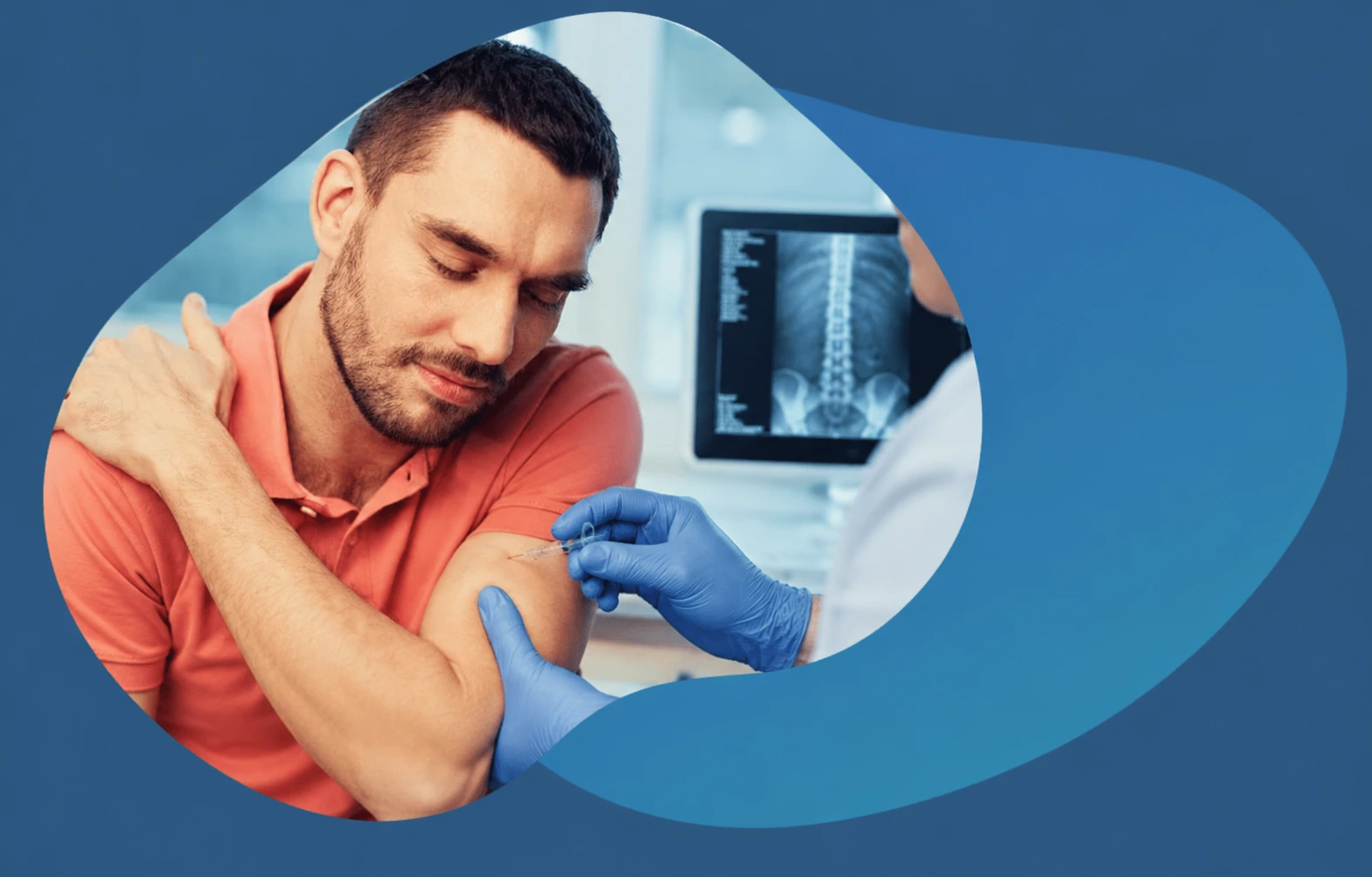

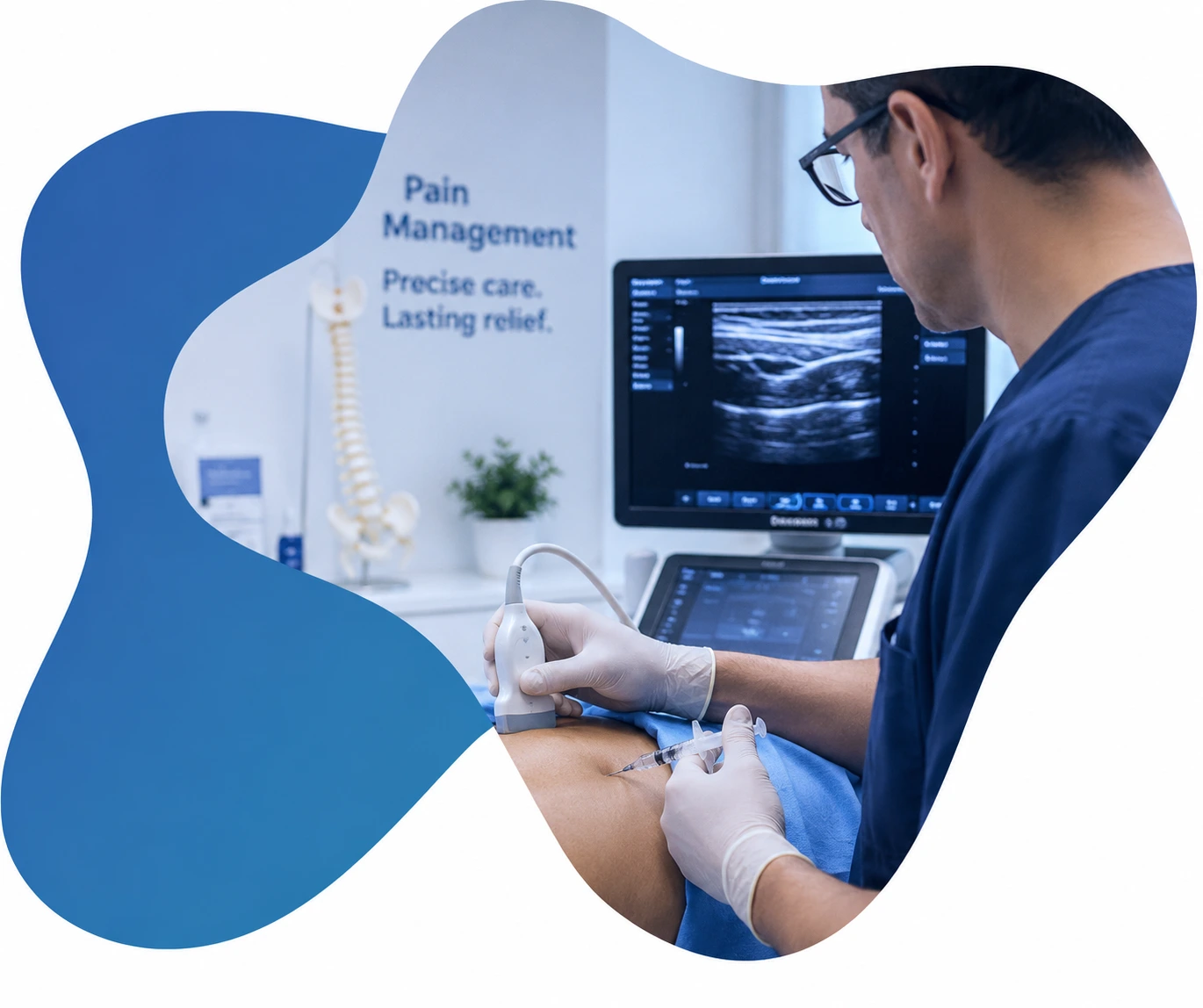
Interventional Pain Management at Life Medical Imaging is a dedicated clinical service operating within our broader radiology practice. Led by Clinical Director Dr Vikram, the service brings together the diagnostic strength of advanced medical imaging with the therapeutic expertise of an experienced interventional pain team — all under one roof.
Our focus is straightforward: identify the true source of your pain, treat it precisely, and work alongside your referring doctor to deliver lasting relief.
Referrals are welcomed from GPs, specialists, and surgeons
The vast majority of effective pain procedures depend on precise needle placement — and precise needle placement depends on imaging. By delivering pain management as a specialist offering within Life Medical Imaging, our patients benefit from:

Direct access to advanced imaging (CT, high-resolution CT, ultrasound) on the same site, on the same day
Learn More
Radiology-trained proceduralists with deep expertise in spinal and musculoskeletal anatomy
Learn More
Faster diagnostic-to-treatment pathways without the typical delays of cross-referral between facilities
Learn More
Integrated reporting that gives your referring doctor a complete picture of both imaging findings and procedural outcomes
Learn More
This integrated model is what sets the service apart — and it’s the model Dr Vikram has built the team around.
Image-guided pain management refers to a group of minimally invasive procedures used to diagnose and treat pain arising from the spine, joints, nerves, and soft tissues. Each procedure involves the precise delivery of medication — typically a local anaesthetic, a corticosteroid, or both — to a specific anatomical target identified on imaging.
Performed under real-time CT, or ultrasound guidance, these procedures offer two important benefits in one:
For many patients, image-guided injections offer an effective alternative to long-term oral medication or surgery, and a clear next step when conservative care has reached its limit.
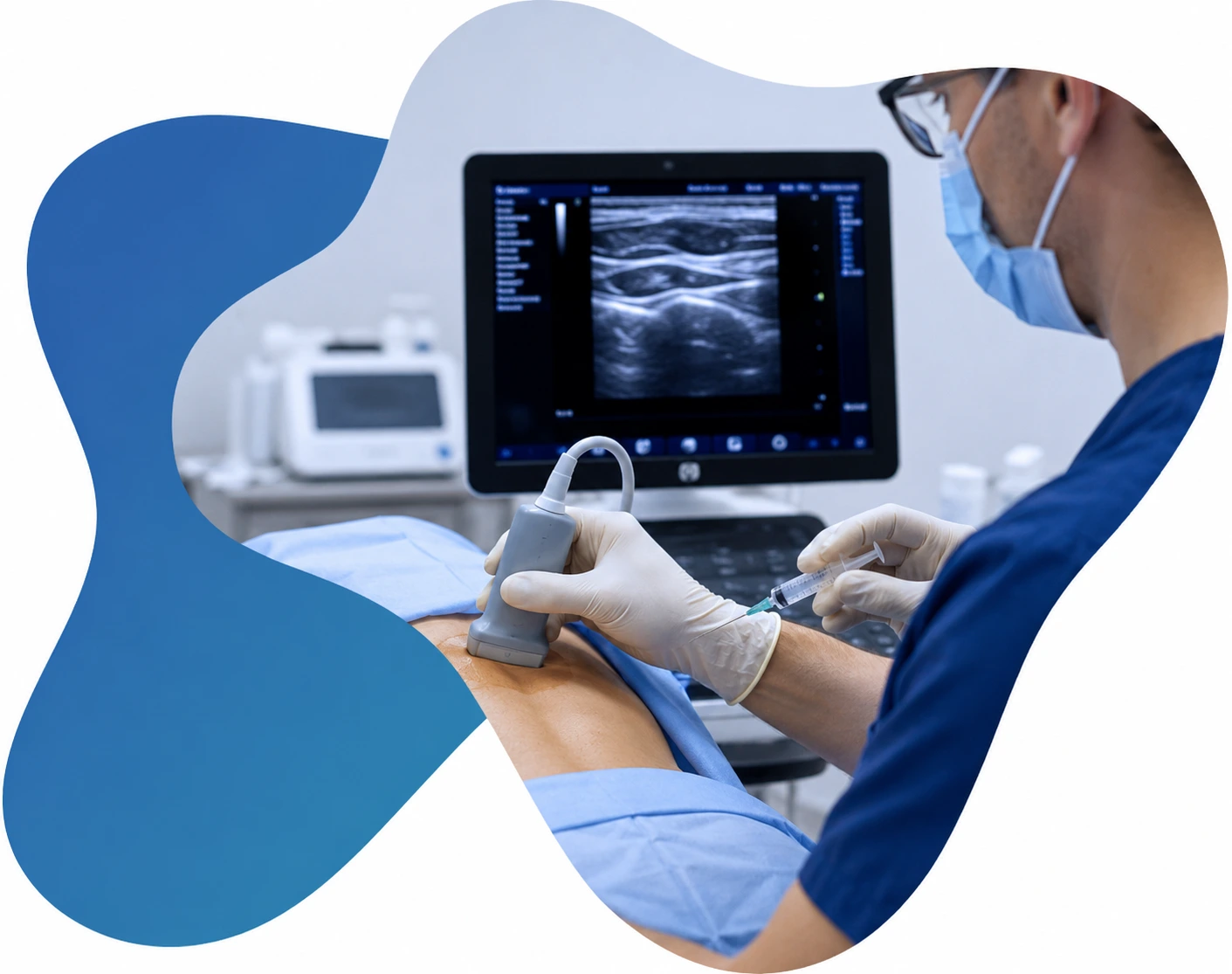
Pain Management at Life Medical Imaging is suited to patients whose pain has persisted despite conservative treatment, or where the source of pain needs to be confirmed before further treatment can be planned. We commonly see patients with:
Dr Vikram and the team review each referral individually, taking your imaging, history, and clinical picture into account before confirming the most appropriate procedure.

A typical appointment takes 15 to 45 minutes from arrival to discharge.
First 24 hours: Mild tenderness at the injection site is normal and usually settles with ice and simple analgesia. After spinal procedures, temporary numbness or weakness in the area treated is expected and resolves within a few hours.
24–72 hours: A brief flare in pain is common as the local anaesthetic wears off and before the corticosteroid takes effect.
Returning to activity: Most patients return to work and normal daily activities the day after their procedure.
Tracking your response: We provide a pain diary so you can record your response over the days that follow — particularly important after diagnostic procedures.
A follow-up with your referring doctor is essential to review your outcome and plan next steps.
The benefit of image-guided injections varies depending on the condition, the structure treated, and your overall health. Patients commonly experience:
Image-guided injections are most effective as part of a broader management plan. Dr Vikram works closely with referring doctors to ensure each procedure fits within your wider treatment pathway.
Dr Vikram Sagar joined Life Medical Imaging in early 2026, having previously practised on the Central Coast and in Queensland. He obtained his medical degree from Maulana Azad Medical College, University of Delhi, and became a Fellow of the Royal Australian and New Zealand College of Radiologists (RANZCR) in 2016. He has also completed the FRCR (UK).
His specialist interests include MSK and spinal interventions, CT guided and ultrasound-guided injections, aspirations, drainage procedures, fine needle aspiration (FNA), and core biopsy. Dr Sagar is committed to delivering high-quality, patient-centred care with a focus on accuracy and safety.

Ultra-low Dose, High Definition CT Scans
Ultrasound
Interventional Radiology
Other Imaging
Yes. A current referral from your GP or specialist is required before any pain management procedure.
Most procedures are well tolerated. Local anaesthetic is often used to numb the skin and underlying tissue, so discomfort during the injection itself is usually minimal. Some mild soreness afterwards is normal and typically settles within a day or two.
If the targeted structure is the source of your pain, you may notice improvement within minutes from the anaesthetic, and again in the following one to two weeks as the corticosteroid takes effect. Duration varies — some patients experience relief for several months, while others use the diagnostic information from a shorter response to plan a definitive procedure such as radiofrequency neurotomy.
Yes, with exceptions. NO driving after spinal procedures. Please arrange transport home on the day.
Pain Management at Life Medical Imaging operates by referral. Once we receive your referral, our team will contact you to schedule the procedure, explain any preparation requirements, and answer any questions.
To refer a patient or book an appointment, contact Life Medical Imaging today.
Content disclaimer: The information on this page is for general educational purposes only and does not constitute medical advice. Decisions about whether an image-guided pain procedure is appropriate should be made in consultation with your treating doctor.