



Understanding Fine Needle Aspiration Biopsy Benefits and Risks: A Clear Guide for Patients and Referrers
Fine Needle Aspiration Biopsy (FNAB) is a brief, minimally invasive test to sample cells from a suspicious lump or lesion. This guide gives patients and referrers concise information on when FNAB is used, what to expect, its benefits and common risks, and practical steps before and after the procedure.
Key Takeaways
- FNAB is a minimally invasive method to collect cells for diagnosis.
- Ultrasound guidance improves needle targeting and sample quality.
- Results are usually available within a few days, aiding timely care.
- The procedure causes minimal discomfort and fast recovery for most patients.
- Minor bleeding, bruising or infection are possible but uncommon.
- Follow pre- and post-procedure instructions to reduce risk.
- FNAB often avoids the need for more invasive biopsies.
- Providers will monitor patients and explain next steps after results.
Comprehensive Guide for Patients and Referrers on Fine Needle Aspiration Biopsy (FNAB)
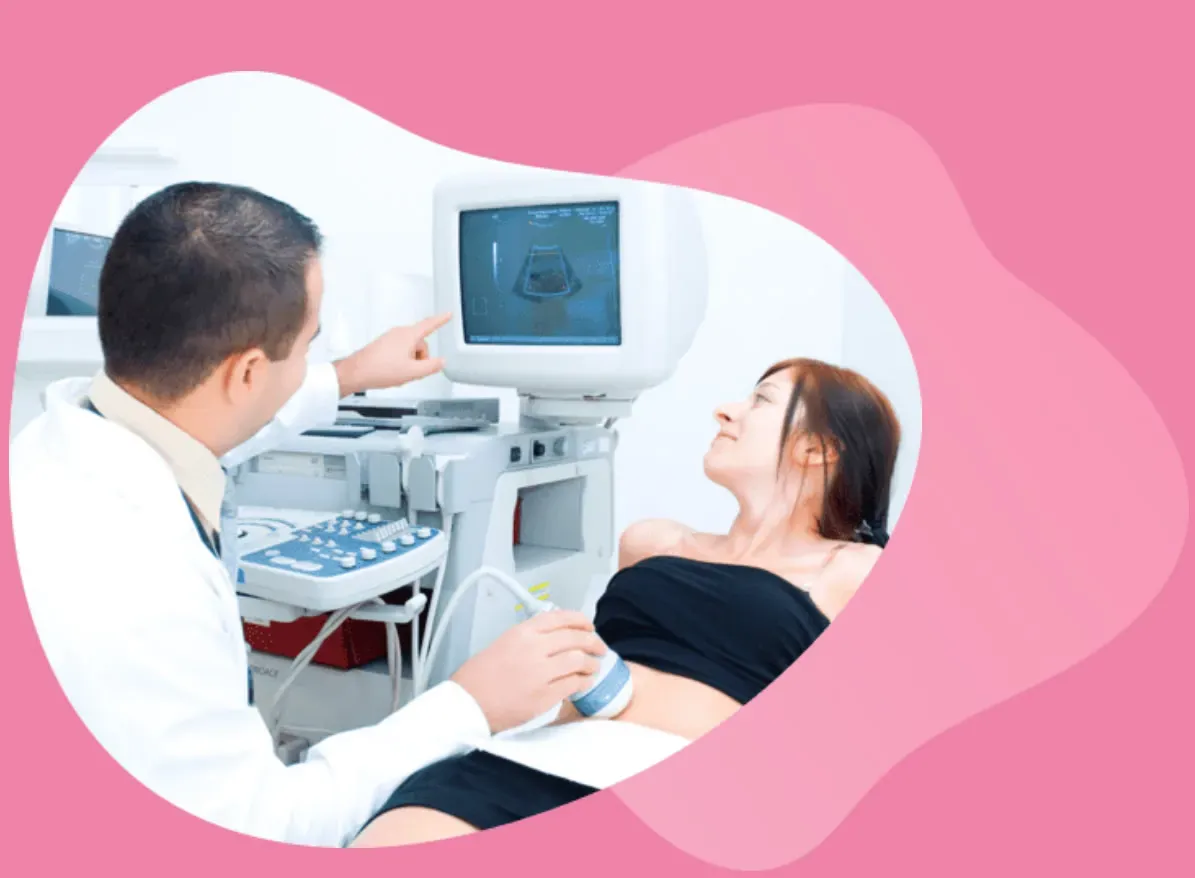
FNAB uses a thin, hollow needle to aspirate cells from a defined abnormality. Imaging—typically ultrasound—is used to guide the needle so the sample represents the lesion. FNAB is commonly applied to lumps in the thyroid, breast and lymph nodes and supports informed clinical decision-making and consent.
Overview:
FNAB is usually an outpatient procedure with minimal tissue disruption and quick recovery. Imaging guidance helps ensure the specimen is representative, and compared with surgical biopsies FNAB carries lower procedural risk while offering useful diagnostic information.
Benefits:
The main benefits of FNAB are safety, speed and diagnostic value.
- Minimally Invasive: A very small puncture reduces tissue damage and speeds recovery.
- Improved Accuracy: Imaging guidance increases the chance of sampling the correct area.
- Fast Results: Pathology often returns findings within days to guide management.
Life Imaging provides ultrasound-guided biopsy services in multiple locations for accessible diagnostics: Life Imaging.
Risks:
FNAB is well tolerated but carries small risks that patients should be told about.
- Bleeding: Minor bleeding or bruising at the site is the most common issue.
- Infection: Rare when sterile technique is used, but possible.
- Temporary Discomfort: Brief pain or soreness during and after the procedure.
Knowing these risks helps plan follow-up and aftercare.
Important Considerations:
Addressing a few practical points before FNAB improves safety and yield.
- Preparation: Review medications (especially anticoagulants) with the clinician beforehand.
- Aftercare: Keep the site clean, watch for redness or increasing pain, and follow instructions.
- Results: Clarify when and how results will be communicated and planned next steps.
What Is Fine Needle Aspiration Biopsy and How Is It Performed?
FNAB aspirates cells using a fine needle under local skin preparation and, when indicated, image guidance. The sequence is simple: position the patient, clean the site, target with imaging if required, insert the needle and collect the sample, then dress the site and give aftercare advice.
- Preparation: Positioning and sterilisation of the site.
- Imaging Guidance: Ultrasound or other imaging to localise the target when needed.
- Needle Insertion: Thin needle placed to withdraw cellular material.
- Post-Procedure Care: Dress the wound and provide written and verbal instructions.
How Does Ultrasound Guidance Enhance Biopsy Accuracy?
Real‑time imaging shows the lesion and needle, improving precision and reducing missed samples.
- Improves accuracy by confirming needle placement.
- Reduces complications by avoiding nearby structures.
- Allows immediate assessment of sample adequacy during the procedure.
What Are the Steps Involved in the Biopsy Procedure?
The procedure follows defined steps to maximise diagnostic yield and safety.
- Patient preparation and consent.
- Imaging and targeting as required.
- Tissue sampling with a fine needle.
- Short observation before discharge to check for immediate issues.
What Are the Key Benefits of Fine Needle Aspiration Biopsy?
FNAB balances diagnostic utility with low morbidity and rapid recovery.
- Diagnostic accuracy: Good cytological samples often avoid more invasive procedures.
- Minimally invasive: Less trauma and quicker recovery than surgical biopsies.
- Patient safety: Generally a low complication rate when performed correctly.
How Does FNAB Provide Minimally Invasive Tissue Sampling?
A small-gauge needle collects cellular material with minimal disruption, reducing pain and downtime.
- Less tissue damage than surgical alternatives.
- Reduced discomfort for most patients.
- Quick procedure time — often completed in minutes.
Why Is FNAB Preferred Over Other Biopsy Types?
FNAB is chosen when cytology can answer the clinical question without the higher risk and recovery of surgical sampling.
- Compared with excisional biopsies, FNAB avoids larger incisions and longer recovery.
- Safety profile is favorable for many indications.
- Patient experience is usually better due to minimal invasiveness.
Indeed, studies have shown that Fine Needle Aspiration Biopsy generally presents a lower rate of complications compared to more invasive biopsy techniques.
FNAB Complication Rates: A Meta-Analysis of CT-Guided Lung Biopsy Risks
Pooled overall complication rates for core biopsy and FNA were 38.8 % (95 % CI: 34.3–43.5 %) and 24.0 % (95 % CI: 18.2–30.8 %), respectively. Major complication rates were 5.7 % (95 % CI: 4.4–7.4 %) and 4.4 % (95 % CI: 2.7–7.0 %), respectively. Overall complication rate was higher for core biopsy compared to FNA (p< 0.001).
Complication rates of CT-guided transthoracic lung biopsy: meta-analysis, WJ Heerink, 2017
What Are the Potential Risks and Side Effects of FNAB?
FNAB has a low overall risk, but clinicians should discuss common side effects and how they are managed.
- Common risks: Minor bleeding or bruising is most frequent.
- Management: Pain or swelling is usually managed conservatively with simple analgesia.
- Safety measures: Sterile technique and post-procedure monitoring reduce adverse events.
What Are Common Biopsy Procedure Risks and Side Effects?
Typical issues are localized bleeding, bruising and rarely infection. Occasionally a sample is insufficient and repeat sampling is needed.
- Bleeding and infection risks are low with proper technique.
- Discomfort management typically involves short-term pain relief.
- Inconclusive samples may require repeat FNAB or alternate testing.
How Is Patient Safety Ensured During and After the Biopsy?
Safety relies on sterile practice, imaging to avoid harm, and brief observation to detect immediate problems.
- Sterile conditions to lower infection risk.
- Post-procedure monitoring for early complications.
- Clear patient education about wound care and warning signs.
What Should Patients Know About Preparation and Recovery Time?
Clear preparation and realistic recovery expectations improve safety and comfort.
- Preparation: Discuss blood-thinning medicines and follow provider instructions.
- Recovery: Most people resume normal activities within hours; some sites may need longer rest.
- Aftercare: Keep the site clean, monitor for worsening pain, swelling or fever, and contact your provider if concerned.
How Long Is Needle Biopsy Recovery Time Typically?
Recovery is usually brief; most patients return to routine activities the same day or within a few hours, depending on the biopsy site and individual health.
- Typical duration: Hours to a day for most minor sites.
- Factors: Underlying health and biopsy location affect recovery.
- Follow-up: Attend any arranged appointments to review results.
What Are the Recommended Preparation and Aftercare Steps?
Follow provider advice on medications, wound care and signs that require medical review to reduce risk and support recovery.
- Pre-procedure: Follow dietary and medication guidance.
- Post-procedure: Keep the site clean and dry; avoid heavy lifting if advised.
- Watch for: Increasing pain, redness, persistent bleeding or fever — seek assessment if these occur.
Frequently Asked Questions
What types of conditions can FNAB help diagnose?
FNAB is used for lumps in the thyroid, breast and lymph nodes. It helps distinguish benign from malignant changes, detect infections and guide further care.
How should patients prepare for an FNAB procedure?
Review current medications (notably anticoagulants), follow any fasting or clothing instructions, mention allergies, and arrange transport if sedation is planned.
What can patients expect during the FNAB procedure?
The procedure is brief: skin is cleaned, imaging used if needed, a fine needle obtains samples, and you are observed briefly before discharge.
What are the signs of complications after FNAB?
Report increasing pain, spreading redness, prolonged bleeding or fever — these may indicate infection or other complications requiring prompt assessment.
How are FNAB results communicated to patients?
Results are usually available within a few days. Your clinician will explain findings and next steps, including further tests or treatment if needed.
Can FNAB be repeated if the first sample is inconclusive?
Yes. If the sample is non-diagnostic, a repeat FNAB or alternative diagnostic test may be recommended based on clinical and imaging findings.
Conclusion
FNAB is a targeted, low-morbidity option for obtaining diagnostic material with rapid recovery. Understanding its benefits, limitations and aftercare helps patients and referrers make informed decisions. Discuss suitability with your healthcare provider and follow their preparation and follow-up instructions.