


Comprehensive Diagnostic Imaging Solutions: Your Guide to Medical Imaging Services and Booking
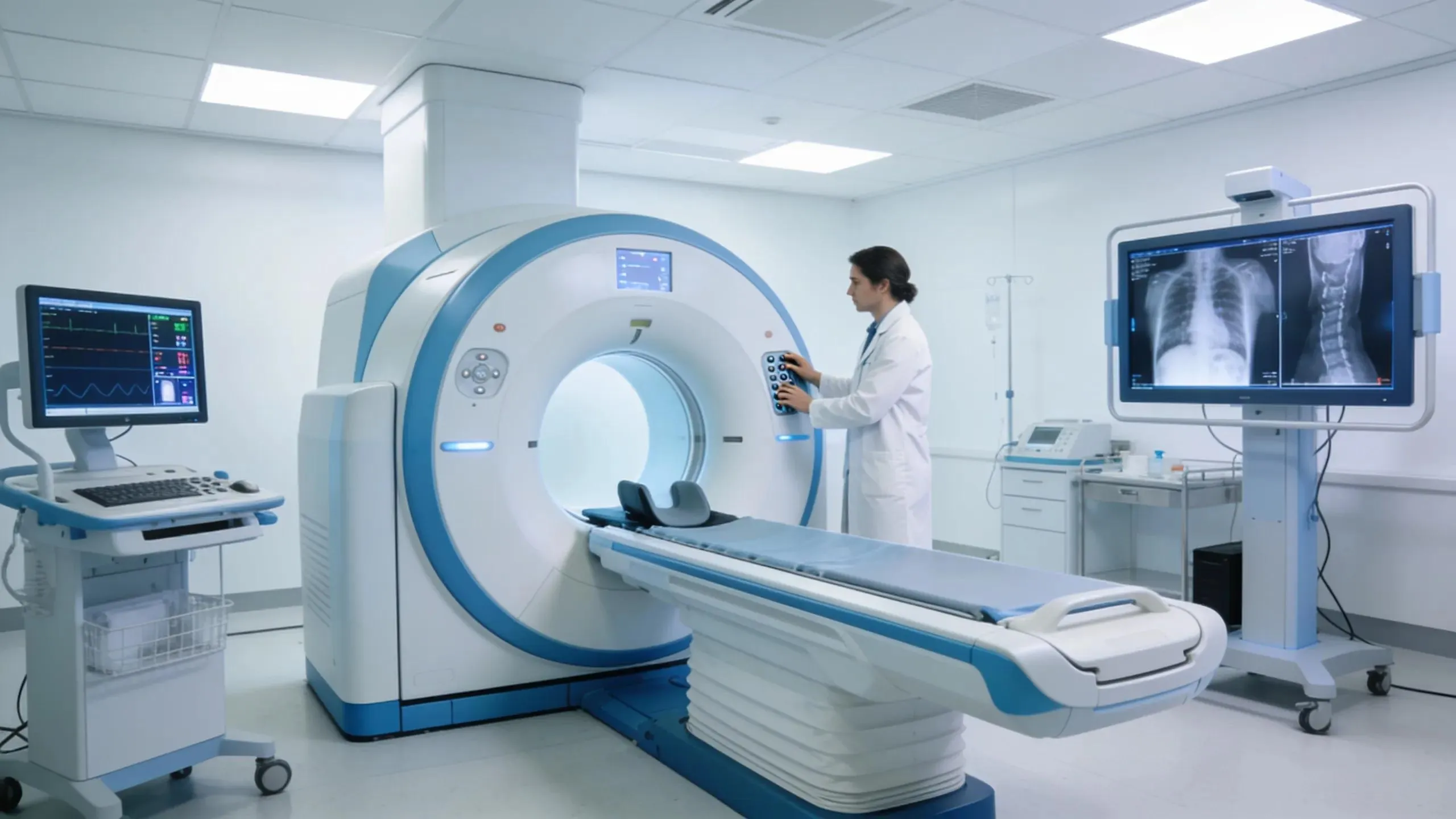
Diagnostic imaging plays a crucial role in modern healthcare, providing essential insights into a patient’s condition through various imaging modalities. This comprehensive guide will explore the different types of imaging solutions available, their applications, and how to book these services effectively. Understanding the importance of diagnostic imaging can empower patients to make informed decisions about their health. In this article, we will cover the types of imaging modalities, specialized services, the booking process, and what patients can expect during their visits.
Comprehensive Guide to Diagnostic Imaging Services at Life Imaging
Life Imaging is a leading provider of diagnostic imaging solutions in New South Wales, Australia. The company specializes in a range of imaging services, including X-ray, ultrasound, CT, MRI, and women-specific imaging services. These services are vital for accurate diagnosis and treatment planning, ensuring that patients receive the best possible care. Accessing these services is straightforward, and understanding the available options can help patients navigate their healthcare journey more effectively.
Types of Imaging Modalities:

Diagnostic imaging encompasses various modalities, each with unique applications and benefits. Below is a comparison of the most common imaging types offered at Life Imaging.
X-ray:
X-ray imaging is one of the most common diagnostic tools used in healthcare. It is primarily utilized to identify bone fractures, dental issues, and certain diseases. The benefits of digital X-ray technology include reduced radiation exposure and immediate image availability, allowing for quicker diagnosis and treatment.
Ultrasound:
Ultrasound imaging employs high-frequency sound waves to produce images of internal organs and structures. It is particularly valuable in obstetrics for monitoring fetal development and in assessing soft tissue conditions. The real-time imaging capability of ultrasound allows for dynamic assessments, making it a preferred choice in many clinical settings.
CT (Computed Tomography):
CT imaging combines multiple X-ray images taken from different angles to create cross-sectional views of the body. This modality is especially effective in trauma assessments and for detailed imaging of internal organs. Advances in technology have led to low-dose CT scans, minimizing radiation exposure while maintaining image quality.
MRI (Magnetic Resonance Imaging):
MRI is a non-invasive imaging technique that uses strong magnetic fields and radio waves to generate detailed images of soft tissues. It is particularly useful for evaluating neurological conditions, joint injuries, and other soft tissue abnormalities. Unlike X-rays and CT scans, MRI does not involve ionizing radiation, making it a safer option for many patients.
DEXA (Dual-Energy X-ray Absorptiometry):
DEXA scanning is the gold standard for measuring bone mineral density. It is crucial for diagnosing osteoporosis and assessing fracture risk. This imaging modality provides insights into body composition, helping healthcare providers develop tailored treatment plans for patients at risk of bone-related conditions.
While DEXA is the gold standard for bone density, other advanced imaging techniques can provide complementary insights into bone health and structure.
Advanced Imaging for Osteoporosis: DEXA, MRI, and Ultrasound
T-scores, used to categorise bone health, are determined by DEXA by comparing bone mineral density to age-matched standards. Bone mineral density (BMD) is the most common indicator of bone health; nevertheless, DEXA may misclassify bone health owing to reasons other than BMD. These constraints may be overcome with the use of complementary imaging methods, which provide information on the microarchitecture and quality of bone. The evaluation of bone structure is aided by high-resolution peripheral quantitative computed tomography (HR-pQCT), which produces precise 3D images of the trabecular and cortical bone compartments. Independent of traditional methods of gauging fracture risk, quantitative ultrasonography (QUS) uses an analysis of the characteristics of sound waves to determine bone health. Diagnostic precision is improved by magnetic resonance imaging (MRI) due to its ability to view bone marrow and trabecular structure without the use of ionising radiation.
DEXA and Imaging in Osteoporosis, 2023
Specialized Imaging Services:
In addition to standard imaging modalities, Life Imaging offers specialized services tailored to specific patient needs. These include cardiac imaging, dental imaging, and interventional procedures. Each specialized service is designed to provide comprehensive diagnostic information, ensuring that patients receive the most accurate assessments possible.
Booking Process:
Booking an imaging appointment at Life Imaging is a straightforward process designed to accommodate patient needs. Patients can schedule appointments online or by contacting the center directly. It is essential to have a valid referral from a healthcare provider, as this is often required for imaging services. Understanding the preparation needed for each type of imaging can also enhance the patient experience.
How Can You Book an Imaging Consultation at Life Imaging?
To book an imaging consultation, patients can visit the Life Imaging website or call the center directly. It is advisable to have the following information ready:
- Referral Details: Ensure you have your healthcare provider’s referral information.
- Personal Information: Be prepared to provide your contact details and any relevant medical history.
- Preferred Appointment Times: Have a few options in mind for when you would like to schedule your appointment.
Online Booking Process for Diagnostic Imaging Appointments:
Life Imaging offers an online booking system that allows patients to select their preferred imaging service and appointment time. The process is user-friendly and designed to minimize wait times. After booking, patients will receive a confirmation email with details about their appointment.
The efficiency of the booking process is further enhanced by systems that streamline patient information transfer and provide detailed appointment instructions.
Efficient Patient Booking & Scheduling for Medical Imaging
Patient Booking and Scheduling HIS/RIS can help to transfer patient information to the medical imaging department, and the patient booking by producing contextualized appointment letters for each patient, which include the date, time, and location of the appointment, as well as any special instructions or preparations required for the imaging procedure.
Identifying and characterizing the 18 steps of medical imaging process workflow as a basis for targeting improvements in clinical practice, MSR Jabin, 2019
Patient Experience:
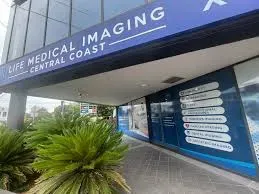
Patients visiting Life Imaging can expect a welcoming and professional environment. Safety and comfort are prioritized, with staff trained to assist throughout the imaging process. Results are typically available within a few days, and patients are encouraged to discuss their findings with their healthcare provider for further guidance.
What Diagnostic Imaging Services Does Life Imaging Offer?
Life Imaging provides a comprehensive range of diagnostic imaging services, including:
- CT Scans: For detailed internal imaging.
- Ultrasound Procedures: For real-time assessments of soft tissues.
- X-rays: For quick evaluations of bone structures.
Overview of X Ray, Ultrasound, CT, and MRI Imaging Modalities
Each imaging modality serves distinct purposes and offers unique advantages. Understanding these differences can help patients choose the most appropriate service for their needs.
Specialized Women’s Imaging Services and Benefits
Life Imaging also focuses on women’s health, offering specialized services such as mammography and bone density scans. These services are essential for early detection of conditions like breast cancer and osteoporosis, providing women with critical health insights.
How Do You Prepare for Different Imaging Procedures?
Preparation for imaging procedures can vary based on the type of scan. Here are some general guidelines:
- X-ray and CT Scans: Patients may need to avoid eating or drinking for a few hours before the procedure.
- Ultrasound: Staying hydrated can improve image quality, so patients are often advised to drink water beforehand.
- MRI: Patients should inform the staff of any metal implants or devices, as these can interfere with the imaging process.
Patient Preparation Guidelines for X Ray and CT Scans:
For X-ray and CT scans, patients should follow these preparation steps:
- Fasting: Avoid food and drink for 4-6 hours prior to the appointment.
- Clothing: Wear loose-fitting clothing without metal fasteners to facilitate the imaging process.
Preparation Steps for Ultrasound and MRI Tests:
Preparation for ultrasound and MRI tests includes:
- Hydration: Drink plenty of water before an ultrasound to enhance image clarity.
- Metal Screening: Inform staff about any metal implants before an MRI to ensure safety.
Where Are Life Imaging Medical Imaging Centers Located in New South Wales?
Life Imaging operates multiple centers across New South Wales, making it accessible for patients seeking diagnostic imaging services. The locations include:
- Bateau Bay: P4/12 Bay Village Rd, Bateau Bay NSW 2261, Phone: 02 4326 7000
- Killarney Vale: 1/3-5 Farrar Rd, Killarney Vale NSW 2261, Phone: 02 4326 7000
- Umina Beach: 310 West St, Umina Beach NSW 2257, Phone: 02 4326 7000
- Erina: Shop 1, 148-158 The Entrance Road, Erina NSW 2250, Phone: 02 4326 7000
Service Availability at Bateau Bay, Killarney Vale, Umina Beach, and Erina
Each location offers a range of imaging services tailored to the needs of the community. Patients can check the specific services available at their nearest center by contacting them directly.
Contact Information and Directions for Each Location
For more information or to schedule an appointment, patients can reach out to the respective centers using the contact details provided above. Directions to each location are available on the Life Imaging website, ensuring easy access for all patients.
Life Imaging understands the unique healthcare needs of women. They offer specialized women’s imaging services, including mammography and bone density scans, essential for early detection of conditions like breast cancer and osteoporosis.
Life Imaging is committed to providing comprehensive imaging solutions. Their dedication to patient care and advanced technology makes them a trusted provider in New South Wales.