


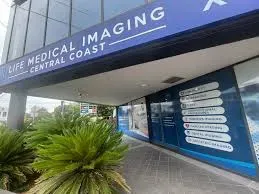
Comprehensive Radiology Services Central Coast: Expert Diagnostic Imaging and Patient Care
Radiology on the Central Coast provides essential diagnostic imaging—MRI, CT, ultrasound, X‑ray, mammography and DEXA—that supports timely diagnosis, treatment planning and follow‑up. This summary outlines available modalities, patient preparation, safety standards and how local services support clinicians and patients.
Key Takeaways
- Central Coast radiology offers MRI, CT, ultrasound, digital X‑ray and DEXA for diagnostic and screening needs.
- CT delivers rapid cross‑sectional imaging for acute and complex cases; MRI gives superior soft‑tissue contrast.
- Ultrasound is safe for real‑time assessment, including obstetrics and cardiac studies.
- Digital X‑rays and modern workflows reduce dose and speed report delivery.
- DEXA is the standard test for bone density and osteoporosis assessment.
- Life Imaging emphasises patient‑centred care, prompt reporting and regulatory compliance (AHPRA).
Expert Diagnostic Imaging Techniques:
Available modalities enable visualisation of anatomy and disease for diagnosis, monitoring and procedural planning. MRI, CT, ultrasound, digital X‑ray and DEXA each have defined indications and benefits that guide clinical choice.
CT Scans:
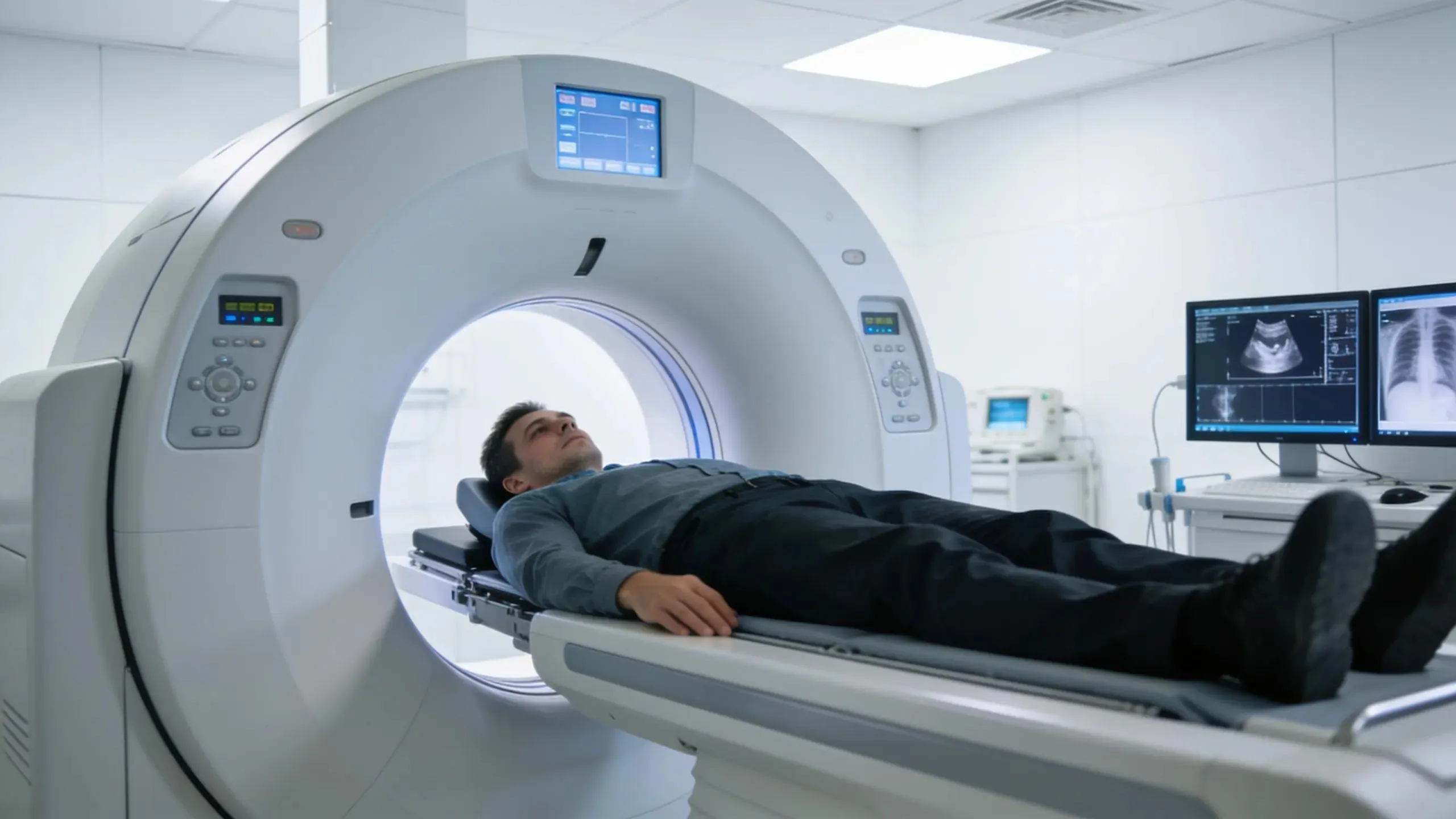
Computed tomography uses X‑rays to create fast, high‑resolution cross‑sectional images—vital in emergency and complex abdominal, chest and brain assessment. Modern protocols minimise radiation while preserving diagnostic quality.
Ultrasound:
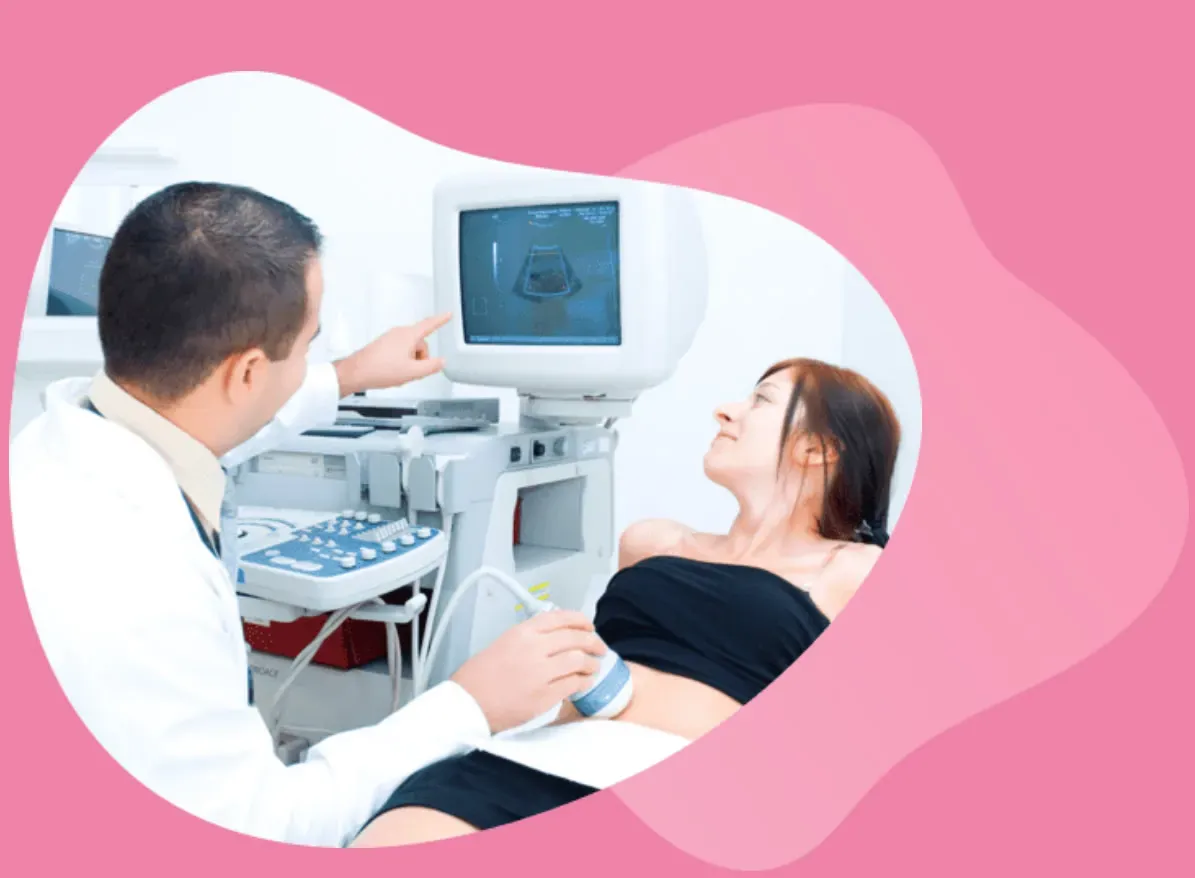
Ultrasound produces real‑time images without ionising radiation and is used widely in obstetrics, abdominal, vascular and cardiac imaging. It is portable, safe for pregnancy and useful for dynamic assessments.
Digital X-rays:
Digital radiography provides quick image acquisition, on‑screen review and image enhancement features that speed diagnosis and typically reduce radiation compared with legacy systems.
DEXA Scans:
DEXA measures bone mineral density and guides osteoporosis management; the scan is fast, non‑invasive and provides reproducible quantitative data for clinical decision‑making.
Patient Care Practices:
Life Imaging adopts a patient‑centred model with clear communication, staff training and practical support to improve comfort and study quality. Booking is simple—call 02 4326 7000 for appointments and pre‑appointment instructions.
Impact on Healthcare Outcomes:
Accurate, timely imaging improves diagnostic confidence, supports appropriate treatment and can reduce unnecessary interventions. Modern equipment and efficient reporting help clinicians make faster, better‑informed decisions.
What Diagnostic Imaging Services Are Available at Central Coast Radiology Clinics?
Central Coast clinics provide a complete range of diagnostic imaging to meet routine and specialised needs.
- MRI Services: Detailed non‑invasive soft tissue imaging.
- CT Scans: Rapid cross‑sectional imaging for acute and elective cases.
- Ultrasound Imaging: Safe, real‑time assessment across specialties.
- X-ray Services: Quick skeletal and general imaging.
- DEXA Scans: Bone density evaluation for fracture risk assessment.
These services support patients and referrers with timely, high‑quality imaging across the region.
MRI, CT, Ultrasound, X-ray, and Mammography Modalities Explained
Each modality has specific strengths: MRI for soft tissue contrast and neurological or musculoskeletal problems; CT for rapid, high‑resolution organ imaging; ultrasound for functional and bedside assessment; X‑ray for efficient skeletal imaging; and mammography for breast screening and diagnostic work‑up.
Specialized Women’s Imaging and Bone Density Scans
Women’s imaging includes mammography and DEXA for breast screening and bone health. These screening tools enable early detection and evidence‑based management to reduce morbidity associated with breast cancer and osteoporosis.
Screening Mammography Efficacy & Breast Cancer Mortality
Reduction in breast cancer mortality for women aged 50 to 74 years undergoing screening mammography, observed irrespective of number of mammographic views per screen, screening interval or duration. Efficacy of screening mammography: a meta‑analysis, K Kerlikowske, 1995
How Do I Prepare for My Medical Imaging Appointment on the Central Coast?
Bring referral documents and photo ID, follow any fasting or medication instructions, and read the procedure information provided to reduce anxiety and ensure study quality.
- Necessary Documents: Bring referral forms and identification.
- Fasting or Medication Instructions: Follow instructions provided for specific studies.
- What to Expect: Review procedure details so you arrive prepared.
Providing relevant medical history and following pre‑appointment instructions reduces the chance of repeats and improves diagnostic confidence.
Patient Preparation Guidelines for MRI and CT Scans
For MRI and CT, complete paperwork, disclose implants or devices, and wear clothing without metal. Follow any instructions about fasting or contrast agents supplied by the clinic.
- Documentation Needed: Ensure referral and paperwork are available.
- Clothing and Metal Screening: Avoid metal fasteners; declare implants or devices.
- What to Expect During the Procedure: Be aware of scan duration and possible sensations; staff will guide you.
Following these steps improves image quality and reduces delays.
Referral Process and Insurance Coverage Explained
Most imaging requires a clinician referral. Insurance coverage varies—verify benefits and referral requirements with your insurer before booking. Life Imaging’s administrative team can clarify accepted plans and billing procedures.
Clinical history and prior imaging review help determine the most appropriate study and optimise patient management.
Comprehensive Patient Assessment in Radiology
Interventional procedures require a thorough initial patient assessment to determine optimal therapy and plan follow‑up care. After referral, communication with the referring clinician and a multidisciplinary approach are essential. Clinical history, physical examination and review of pre‑procedural laboratories and prior imaging guide the interventional radiologist in selecting appropriate management, avoiding unnecessary procedures and minimising complications. Patient evaluation and preparation in vascular and interventional radiology: what every interventional radiologist should know (part 1: patient assessment and …, 2016)
What Safety and Compliance Standards Ensure Quality Radiology Services?
Safety and regulatory compliance are core to practice. Life Imaging follows radiation safety procedures, routine equipment maintenance and ongoing staff competency programs to protect patients and ensure consistent image quality.
AHPRA Accreditation and Patient Safety Protocols
AHPRA accreditation indicates adherence to recognised clinical governance standards. Accreditation involves independent review, continual equipment testing and staff training as part of a structured safety framework.
This systematic approach aligns with recommendations for quality and safety in diagnostic imaging.
Quality & Safety in Diagnostic Imaging Services
Implementation of a Quality Management System (QMS) — including a quality manual, standard operating procedures, work instructions, and monitoring of quality indicators — provides a structured approach to quality and safety in diagnostic imaging services.
A comprehensive approach towards quality and safety in diagnostic imaging services: our experience at a rural tertiary health care center, M Gupta, 2017
Advanced Technology and Fast Report Turnaround Times
Life Imaging uses modern scanners and digital workflows to shorten acquisition and reporting times, helping referrers make timely clinical decisions in urgent and elective settings.
How Can I Book Diagnostic Imaging Services Near Me on the Central Coast?
To book, call Life Imaging on 02 4326 7000; staff will advise on appointment availability, preparations and required documentation.
Scheduling Appointments at Local Radiology Centres
Have your referral and insurance details ready when scheduling. Life Imaging aims to accommodate clinical urgency and patient preferences when allocating times.
Contact Information and Location Details for Imaging Clinics
For appointments and enquiries contact Life Imaging on 02 4326 7000. The clinic serves the Central Coast with a focus on clinical quality and patient safety.
Frequently Asked Questions
What should I expect during my imaging appointment?
Expect a professional environment: staff will explain the procedure, confirm medical history and advise on preparation. You may change into a gown and remove metal items; staff will outline timing and follow‑up.
Are there any risks associated with diagnostic imaging?
Most imaging carries low risk. X‑ray and CT use ionising radiation but employ dose‑reduction protocols; ultrasound and MRI do not use ionising radiation. Discuss individual risks with your clinician or imaging team.
How can I ensure my insurance covers my imaging services?
Verify coverage with your insurer before booking, including referral requirements and network providers. Life Imaging staff can help clarify accepted plans and likely out‑of‑pocket costs.
What are the differences between MRI and CT scans?
MRI uses magnetic fields for high‑contrast soft‑tissue images and is ideal for brain, spinal and joint assessment. CT uses X‑rays for rapid cross‑sectional imaging of organs and acute pathology; the referring clinician selects the appropriate modality.
How often should I get screened with mammography or DEXA scans?
Screening frequency depends on risk and guidelines. Mammography is commonly recommended biennially for women aged 50–74; higher‑risk individuals may need earlier or more frequent screening. DEXA intervals are determined by fracture risk—discuss personalised schedules with your clinician.
What should I do if I have claustrophobia before an MRI?
If claustrophobia is a concern, inform your clinician and the imaging centre. Options include counselling, mild sedation or referral to an open MRI; early communication allows staff to plan appropriate support.
Can I bring someone with me to my imaging appointment?
Companions are generally welcome, though access to the examination room may be restricted during radiation procedures. Check clinic policy; where allowed, companions can support you before and after the scan.
Conclusion
Central Coast radiology services combine modern imaging modalities, patient‑centred care and regulatory oversight to support accurate diagnosis and timely treatment. Understanding available services and preparation steps helps patients and referrers make informed decisions. Contact Life Imaging to arrange imaging and discuss how their services can support clinical management.