


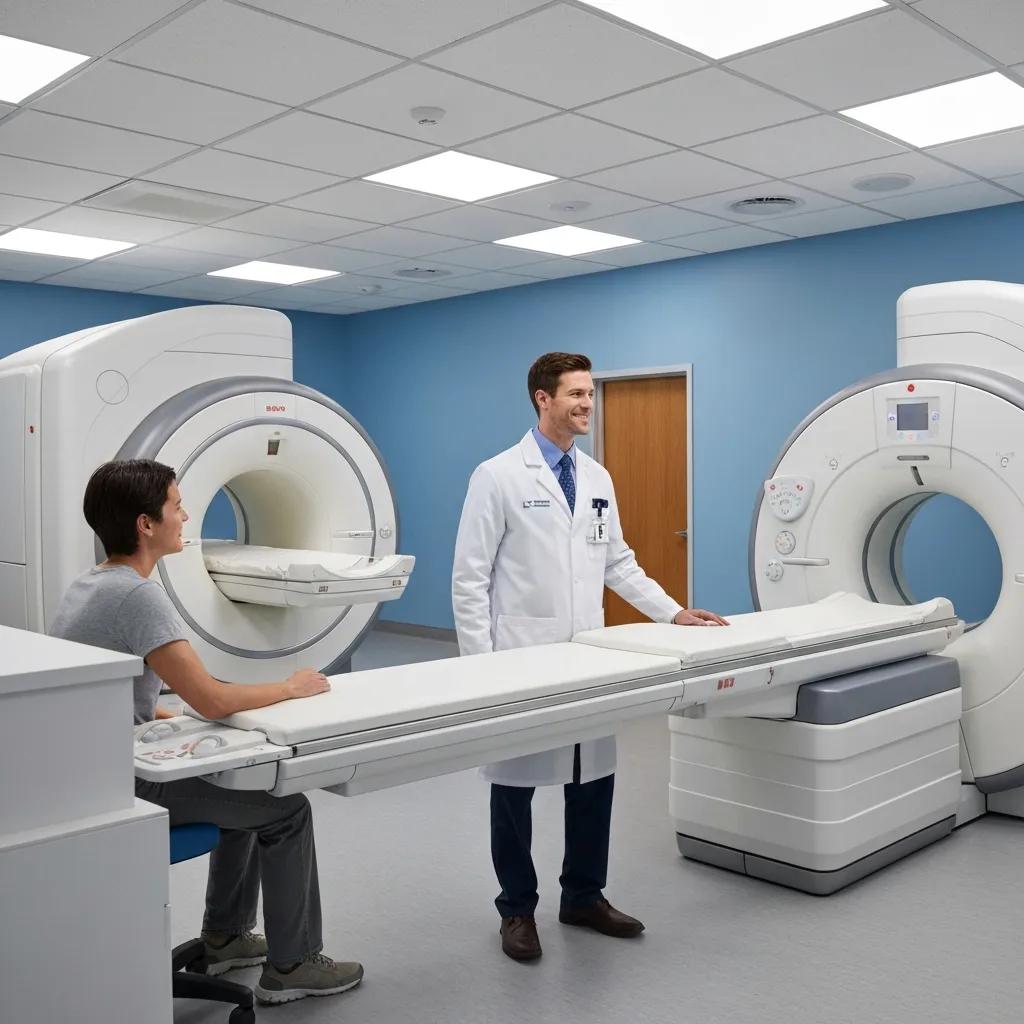
Radiology Clinics Open Today: Book Urgent Imaging Appointments
Finding radiology open today means locating diagnostic imaging services that can assess acute injuries, urgent symptoms or screening needs with minimal delay. This guide explains which imaging modalities are commonly available for same-day or after-hours care, how to find clinics open now in your area, and the exact steps to book urgent X-ray, CT, MRI or ultrasound appointments. Many patients need fast answers for fractures, suspected internal bleeding, or pregnancy concerns; this article shows immediate pathways, typical wait times and what to prepare for when you need imaging today. It also covers costs and bulk billing options, how referrals work for urgent scans, and recent service enablers such as teleradiology and AI triage that speed reporting. Read on to locate a radiology clinic open today, learn step-by-step booking guidance, check preparation and safety rules, and understand likely out-of-pocket costs so you can act quickly and confidently.
Which Radiology Services Are Open Today for Immediate Medical Imaging?
Radiology services open today typically include X-ray, CT, ultrasound, and in some centres limited MRI or nuclear medicine for urgent cases. X-ray provides fast skeletal and chest assessment while CT scanners enable rapid cross-sectional imaging for trauma or acute abdominal pain; ultrasound offers portable, radiation-free evaluation for pregnancy and abdominal concerns. Availability varies by clinic type and operational model, but many urgent presentations can be answered same-day through walk-in X-ray, dedicated urgent CT slots, or expedited ultrasound lists. Below is a concise comparison to help decide which modality fits an immediate need and how quickly you might secure a booking.
Urgent imaging choices depend on clinical indication and local availability, so the next subsection breaks down common urgent use-cases to guide decision-making and set expectations for same-day access.
What Types of Diagnostic Imaging Can I Access Urgently Today?
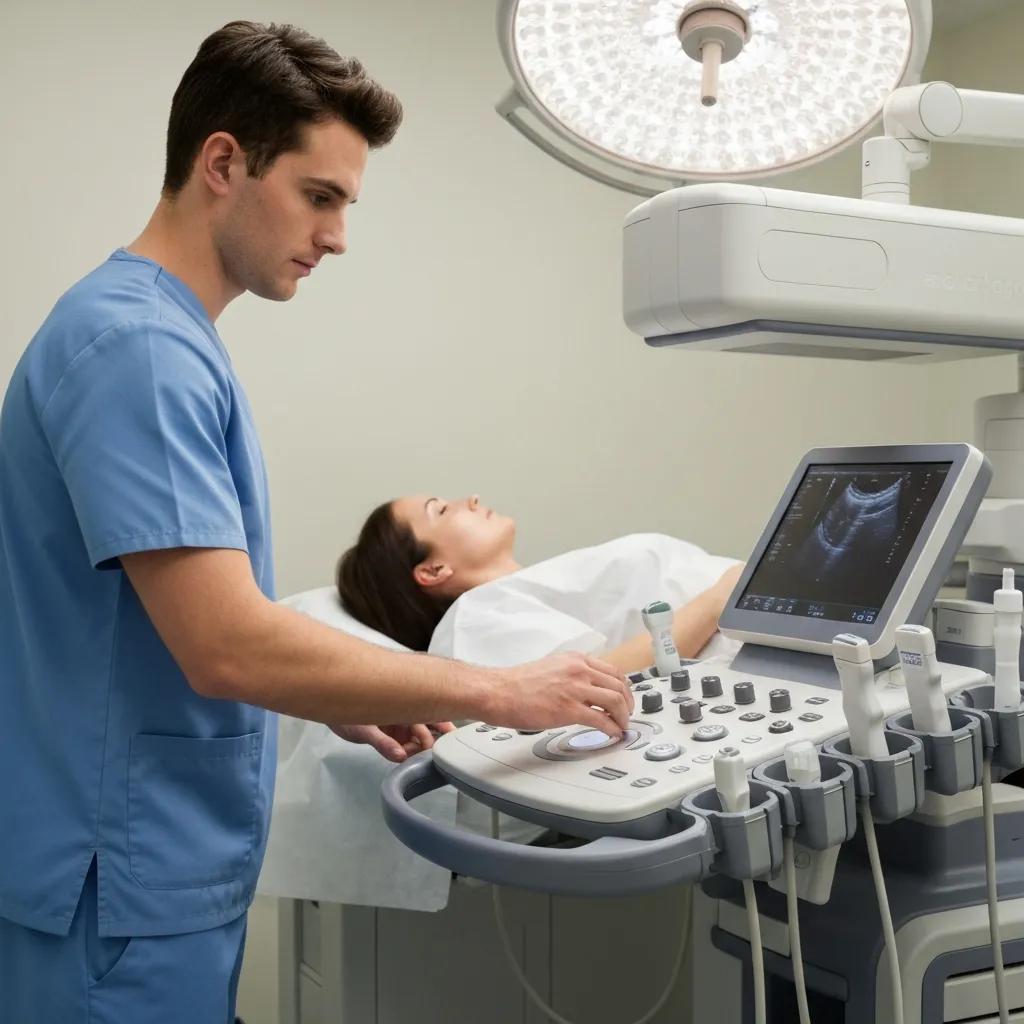
Common urgent imaging modalities and their immediate indications include X-ray for suspected fractures, CT for trauma or acute neurological/abdominal conditions, and ultrasound for pregnancy-related or focused abdominal problems. X-ray is quick and widely available for skeletal and chest issues, often suitable for walk-ins; CT scanners are the standard for rapid cross-sectional imaging that deliver detailed information for internal injury triage and lung assessment. MRI is a specialised modality best for soft-tissue and neurological assessment and usually has limited same-day availability, though some centres reserve urgent MRI slots for acute spinal cord or brain concerns. Understanding these modality differences helps you prioritise the right scan when time is critical.
These modality choices lead naturally to understanding how clinics organise same-day and after-hours capacity to deliver urgent care.
How Do Radiology Clinics Offer Same-Day and After-Hours Appointments?
Clinics use several operational strategies to provide radiology open today: extended hours, on-call radiographers, reserved urgent appointment slots, and teleradiology reporting to speed reads. Teleradiology enables remote radiologists to read scans out-of-hours, while AI-assisted triage can highlight critical findings for immediate attention, enabling faster communication of urgent results. Many large networks maintain weekend or public-holiday rosters, whereas smaller clinics may partner with emergency departments to manage urgent demand. Knowing these operational models helps patients choose facilities with true after-hours capacity and sets expectations for report turnaround and immediate clinician notification for critical findings.
Understanding how clinics operate after-hours helps when you call or search for an open location, which is covered in the next section on finding clinics near you.
This table clarifies modality strengths and realistic availability so you can match clinical need to likely access routes.
How Can I Find a Radiology Clinic Open Today Near Me?
To find a radiology clinic open today near you, use mapping tools with “open now” filters, clinic locators that show opening hours, or call clinics directly to confirm urgent-slot availability. Start by narrowing search to clinics that list urgent or after-hours services and verify which modalities they offer immediately; larger networks more often provide weekend and public-holiday coverage. When searching, prioritise clinics that note bulk billing or Medicare-rebatable services if cost is a concern, and check whether urgent reporting or same-day results are offered. The following list describes immediate actions you can take to locate an open clinic and secure an appointment quickly.
- Use a clinic locator or map tool with an “open now” filter to shortlist nearby providers.
- Call shortlisted clinics to confirm same-day availability for the modality you need and ask about urgent reporting.
- Check whether the clinic offers bulk billing or Medicare-rebatable options for your scan and whether a referral is needed.
After performing these steps, ask the clinic about arrival time, what documents to bring, and whether you should attend via emergency department for immediate triage—this ensures efficient access once you arrive.
What Are the Opening Hours of Radiology Clinics on Weekends and Public Holidays?
Opening hours on weekends and public holidays vary widely: large regional or national networks commonly offer reduced but regular weekend services, while smaller private clinics often close or operate limited urgent lists. Typical patterns include weekday extended hours into evenings, Saturday daytime clinics, and minimal Sunday or public-holiday coverage except in emergency-linked centres. Always verify hours through the clinic’s published opening times or by phone, and ask whether the listed hours apply to all modalities since CT and MRI may be restricted to weekday daytime or emergency department referrals. Confirming modality-specific availability prevents wasted travel and sets realistic expectations for same-day imaging.
Which Locations Offer Bulk Billing and Medicare-Rebatable Imaging Services Today?
Bulk billing for diagnostic imaging is available at some clinics for eligible patients and particular services, but availability for urgent same-day scans varies by clinic policy and reimbursement rules. Medicare rebates apply to many diagnostic imaging services when referred appropriately, but clinics decide whether to bulk bill or charge an out-of-pocket gap; community clinics and some network sites are more likely to offer immediate bulk-billed X-ray or ultrasound for urgent needs. When contacting a clinic, explicitly ask about bulk billing for your indication, whether a valid Medicare-referral is required, and how same-day rebate processing works to understand likely costs.
This comparison helps you focus calls and searches on clinic types most likely to be open and to offer the services you need today.
How Do I Book a Radiology Appointment Online for Urgent Imaging Today?

Booking a radiology appointment online for urgent imaging today involves searching for open slots, filtering by modality and urgency, and providing referral and payment details during checkout. Many booking portals let you filter by “urgent” or “open today” and upload a GP or specialist referral to secure same-day slots; if online slots are unavailable, phone triage can often prioritise urgent cases. Before booking, have your referral, Medicare card details, and any prior imaging records ready to upload so the clinic can process your request quickly. The numbered steps below provide a straightforward workflow to maximise your chances of securing a same-day appointment.
- Search the clinic locator or booking portal and filter by “open today” and desired modality.
- Select an available time slot marked for urgent or same-day appointments and upload your referral or indicate urgent clinical details.
- Enter Medicare and patient details, select payment or bulk-billing option if shown, and confirm the booking.
- If no online slots exist, call the clinic to request urgent triage or ask about walking in through the emergency department.
Completing these steps speeds access to imaging and increases the likelihood of expedited reporting; if online booking fails, calling the clinic or attending the ED are practical alternatives.
What Is the Step-by-Step Process to Book X-ray, MRI, or Ultrasound Appointments Online?
Booking X-ray, MRI or ultrasound online follows a consistent flow: select modality and location, confirm urgency, upload referral, select a same-day slot if available, and complete patient/payment details. X-ray bookings are most likely to have immediate availability and short notice slots; MRI often requires pre-screening and may have fewer urgent slots, while ultrasound availability depends on sonographer schedules. When booking an urgent MRI, include concise clinical justification and contact details so administrative staff can prioritise the request. These selection and submission steps are designed to prevent delays and help clinics triage urgent requests efficiently.
Do I Need a Referral to Book Same-Day Radiology Services?
Referral requirements vary by modality and setting: many outpatient MRIs and CTs require a GP or specialist referral for Medicare rebate eligibility, whereas some X-rays and ultrasounds can be performed without a referral in walk-in community settings or via emergency department pathways. For bulk billing and Medicare rebates, a valid referral is typically necessary; however, emergency department imaging may proceed without a separate outpatient referral because the ED clinician requests the scan. If you lack a referral, contact the clinic to ask whether urgent triage or ED referral is appropriate, or ask your GP for an expedited telehealth referral to secure same-day outpatient imaging.
What Should I Know About Preparing for Medical Imaging Scans Open Today?
Preparing properly for urgent imaging saves time and reduces the chance of rescheduling; preparation depends on modality, presence of contrast, and clinical context. For CT or MRI with contrast, fasting and recent renal function tests may be required; for X-ray minimal preparation is needed but you should wear loose clothing and remove jewellery. Bring referral documentation, Medicare card, and any previous imaging or reports to help the radiologist compare findings and speed reporting. The checklist below summarises common preparation steps for same-day appointments to help you arrive ready and avoid delays.
- Bring a valid referral and identification, along with your Medicare card if you plan to claim a rebate.
- Wear comfortable, metal-free clothing and leave jewellery at home to simplify positioning and avoid MRI safety issues.
- If contrast is planned, confirm fasting times and bring information about kidney disease or medications that may affect contrast safety.
How Do I Prepare for Urgent X-ray, CT, MRI, and Ultrasound Scans?
For urgent X-ray, minimal preparation is usually required beyond removing jewellery and wearing loose clothing; X-ray is highly accessible and quick for fractures and chest assessments. Urgent CT may require short fasting and confirmation of kidney function if iodinated contrast is planned; CT scanners provide immediate cross-sectional data that often supports rapid clinical decisions. MRI demands strict screening for metal implants, sometimes fasting, and clear communication about claustrophobia or implanted devices; urgent MRI slots are less frequent but prioritised for critical neurological or spinal indications. Ultrasound requires specific preparation by scan type, such as fasting before abdominal studies or a full bladder for pelvic assessments, and remains an accessible same-day option in many clinics.
Are There Safety Considerations and What to Expect During Urgent Imaging?
Safety measures during urgent imaging include radiation dose justification for X-ray/CT, MRI screening for implants, and renal function checks for contrast administration; regulatory bodies like ARPANSA set radiation safety standards while professional colleges guide clinical appropriateness. Radiology teams follow protocols to minimise exposure: CT scans use dose optimisation and indication-based justification, and MRI screening forms identify at-risk implants to prevent harm. Expect a brief clinical review on arrival, clear safety questions, and communication of critical findings to your referring clinician—urgent or life-threatening results are typically conveyed immediately to the referrer. Awareness of these safety steps reduces anxiety and ensures the scan proceeds safely and efficiently.
This table summarises preparation elements that commonly affect same-day imaging access and safety.
What Are the Costs and Bulk Billing Options for Radiology Services Open Today?
Costs for radiology open today depend on modality, clinic billing policy and Medicare rebate eligibility; bulk billing is more common for primary-care-initiated urgent X-ray or ultrasound at community clinics, but varies by location and funding. Medicare rebates apply to many diagnostic imaging services when a valid referral exists, but clinics may charge a gap fee; urgent after-hours work and expedited reporting can increase out-of-pocket costs. To estimate likely costs, ask clinics about their payment model for urgent scans, whether they offer bulk billing for your clinical indication, and how Medicare rebates will be processed for same-day appointments.
How Does Bulk Billing Work for Urgent Medical Imaging in Australia?
Bulk billing for urgent imaging means the clinic bills Medicare directly for the exam, leaving no out-of-pocket cost for eligible patients; however, not all services or clinics bulk bill and eligibility can depend on referral type and clinical urgency. Medicare rebates apply to listed diagnostic items when a valid referral is present, and clinics can choose to accept the rebate as full payment or charge a gap fee. For urgent after-hours imaging, some clinics may offer bulk billing selectively for specific indications, while others may require payment with a rebate claimable afterwards. When booking, always confirm bulk billing availability for your urgent scan and whether a referral or concession status affects eligibility.
Which Radiology Clinics Offer Affordable Imaging Services Open Today?
Affordable same-day imaging is typically found at community health centres, certain large networks that subsidise urgent care, or hospital-linked services where emergency referrals are processed without separate outpatient fees. Search for clinics advertising bulk billing or Medicare-rebatable urgent imaging, and when calling ask explicitly about gap fees and whether expedited reporting carries additional charges. If cost is a barrier, consider discussing alternative pathways with your referring GP, such as prioritised telehealth referrals or ED triage for immediate assessment. Transparent cost conversations with clinic staff before attending reduce surprises and help you choose the most affordable open option.
This table gives a quick snapshot of payment patterns to prepare you for likely costs when imaging is required today.
What Are the Most Common Questions About Radiology Services Open Today?
Patients commonly ask whether they can get imaging without a referral, how fast results arrive, and what costs apply; clear answers reduce delay and help choose the right access route. Referral rules differ by modality and setting: X-ray may be available without outpatient referral in some walk-in clinics, while MRI usually needs a GP or specialist referral for rebate eligibility. Result turnaround ranges from immediate verbal notification for critical findings to formal reports issued within 24–48 hours for many urgent outpatient scans; teleradiology and AI-supported workflows are increasingly used to shorten these timelines. The short answers below respond to the highest-priority urgent queries so you know how to act now.
- Can I get an X-ray or MRI today without a referral? Short answer: sometimes for X-ray via walk-in or ED; MRI commonly requires a referral for outpatient access.
- How quickly will I receive my radiology results from urgent scans? Critical findings are relayed immediately to your referrer; full reports commonly arrive within 24–48 hours though urgent reads may be faster.
- What should I bring to an urgent imaging appointment? Bring a valid referral, Medicare card, ID, and any previous imaging reports to speed processing.
Can I Get an X-ray or MRI Today Without a Referral?
Yes for some X-rays—many community providers and emergency departments can perform walk-in X-rays without an outpatient referral—whereas MRI generally requires a GP or specialist referral for outpatient booking and Medicare rebate eligibility. Emergency department pathways allow imaging without a prior outpatient referral because the ED clinician requests the scan for immediate care. If you need outpatient MRI urgently but lack a referral, contact your GP for an expedited telehealth or written referral, or ask the clinic if they have an urgent referral triage process. Understanding these referral pathways helps avoid delays when imaging is required today.
How Quickly Will I Receive My Radiology Results from Urgent Scans?
Turnaround for urgent imaging balances rapid communication of critical findings with careful formal reporting; critical abnormalities are typically communicated to the referrer immediately, while a full radiologist report is commonly available within 24–48 hours for urgent outpatient scans. Teleradiology services and AI-supported preliminary reads are increasingly used to shorten time-to-action, enabling clinicians to make faster decisions based on interim results. Delivery of final reports may occur via the referrer, hospital records or patient portals depending on clinic processes, so confirm how results are shared when you book. If urgent follow-up is needed, clinics will usually contact the referrer directly to expedite clinical management.
Provide a clear next step: whether to book online or call the clinic, and remember the service objective below to guide immediate action.
This page aims to Provide useful information about medical imaging services and facilitate appointment bookings or inquiries.