


Comprehensive X-ray Services and Booking Guide — Life Medical Imaging Central Coast
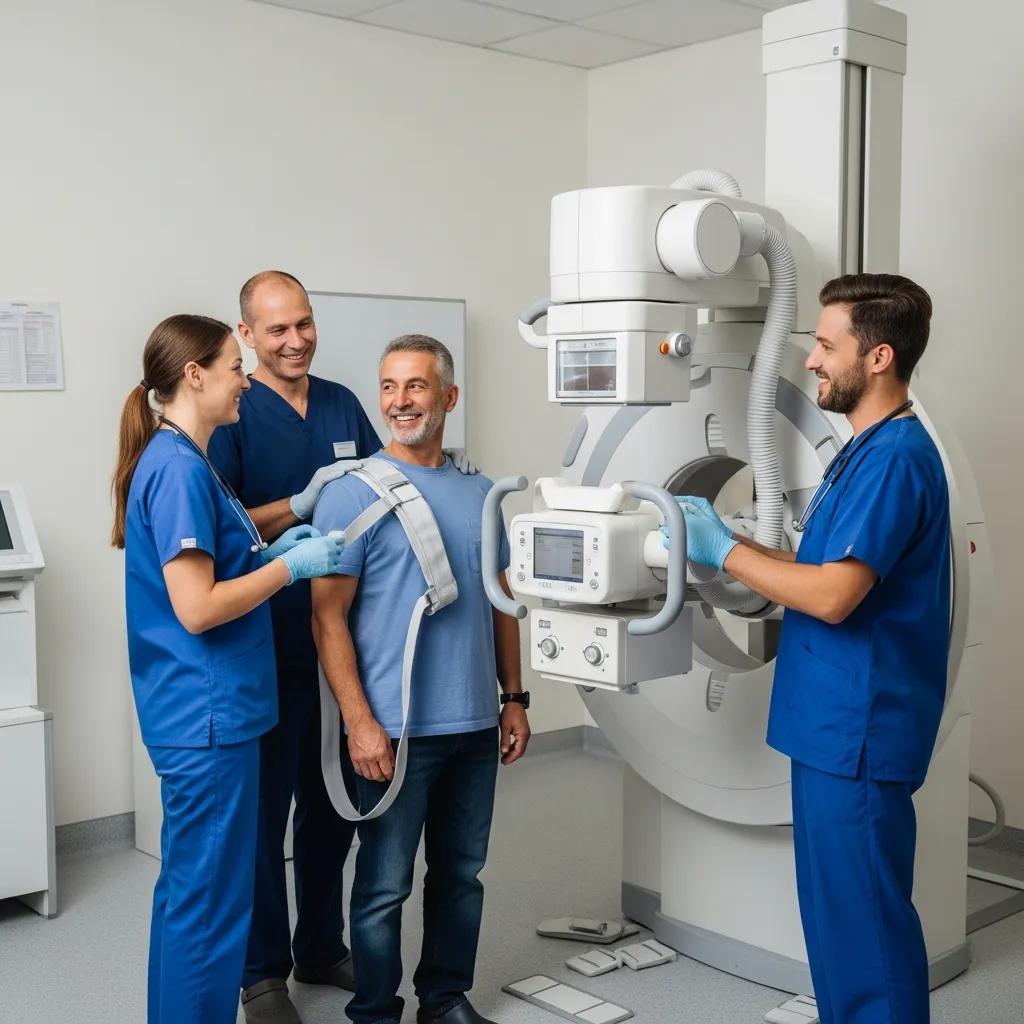
X‑ray (radiography) is a fundamental diagnostic tool we use to image bones, lungs and selected soft tissues with carefully controlled ionising radiation. This guide explains how modern digital X‑ray works, why low‑dose protocols matter, which scans we offer, how to prepare and what to expect during and after your appointment. At Life Medical Imaging Central Coast we provide high‑definition, ultra‑low dose digital radiography across our Central Coast locations — and this page links practical booking and safety information to the clinical details patients and referrers need. Many people are concerned about radiation exposure, appointment logistics and result turnaround; below we answer those questions clearly, compare common options and provide a step‑by‑step day‑of‑scan walkthrough for Central Coast patients.
What is digital X‑ray imaging and how does it work?
Digital X‑ray is diagnostic radiography where X‑rays pass through the body and are captured by an electronic detector. The detector records differences in absorption and converts them into a digital image for rapid review. Simply put, an X‑ray source emits photons that are absorbed to different degrees by bone, air and soft tissue, creating contrast that the detector and post‑processing software turn into a diagnostic image. Modern digital detectors produce higher‑resolution images at much lower doses than old film systems, and they let us check image quality immediately to reduce repeats. The net result is quicker diagnosis, easier image sharing and improved patient safety.
How does digital X‑ray technology create diagnostic images?
Digital radiography works in three linked stages: X‑ray generation, interaction with tissue, and electronic capture with software processing. An X‑ray tube directs a focused beam through the body; denser structures such as bone attenuate more photons and appear differently on the detector than softer tissue. The detector converts those signals into a digital image that we can enhance with processing algorithms to sharpen edges and improve contrast, helping radiologists detect subtle findings. Images are stored and shared via PACS workflows, so they’re available instantly for reporting and for comparison with prior studies — speeding turnaround and supporting teleradiology when specialist input is needed.
What are the benefits of digital X‑ray services at Life Medical Imaging?
Digital X‑ray offers clear clinical and patient benefits: lower radiation dose, faster image availability and higher‑definition images to support diagnosis and management. Our ultra‑low dose protocols and modern detectors preserve image quality while reducing exposure compared with older film techniques, consistent with relevant RANZCR and ARPANSA guidance. Immediate digital review reduces repeats, shortens appointment times and lets our consultant radiologists report more quickly — supporting efficient care pathways for GPs and specialists. These practical advantages are why many referrers and patients choose Life Medical Imaging Central Coast.
Which types of X‑ray scans are available at our Central Coast department?
Our X‑ray department provides a range of studies to answer common clinical questions — from chest assessment to dental panoramic imaging and spinal alignment checks. Typical uses include chest X‑rays for lung and heart assessment, bone and joint X‑rays for fractures and degenerative change, dental OPGs for jaw and tooth evaluation, and spinal views for alignment or curvature. Knowing which scan fits the clinical issue helps referrers and patients choose the right test and prepare correctly. The table below summarises typical uses and simple preparation steps, and we follow with brief descriptions of selected exams.
Different X‑ray studies answer specific clinical questions and usually need only simple preparation.
This comparison helps patients and referrers pick the most appropriate study before booking.
What does a chest X‑ray diagnose and how is it performed?
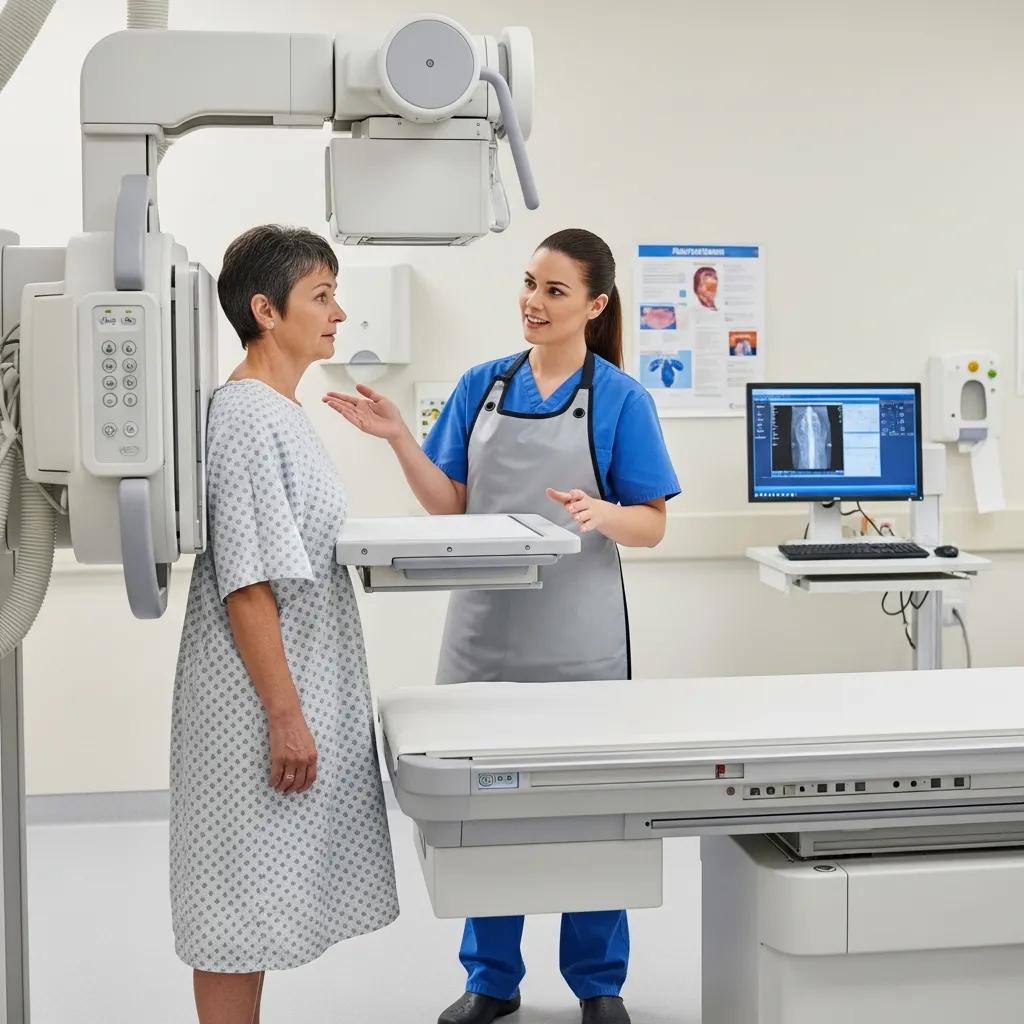
A chest X‑ray images the lungs, heart silhouette and mediastinum to help diagnose conditions such as pneumonia, pleural effusion, heart enlargement and pneumothorax. The exam commonly includes a posterior–anterior view and sometimes a lateral view, with the patient standing or seated and asked to take a breath‑hold to inflate the lungs for better contrast. The test is quick, non‑invasive and usually completed in minutes. Our radiographers position you carefully and check the images immediately to ensure clarity and reduce the need for repeat exposures.
How do bone and joint X‑rays detect fractures and arthritis?
Bone and joint X‑rays show changes in bone continuity and joint space that indicate fractures, dislocations and degenerative arthritis — for example fracture lines, stepped cortical margins or joint space narrowing with osteophytes. We often take multiple projections to fully assess alignment and to reveal fractures that might be hidden on a single view; weight‑bearing views can show functional joint space loss in arthritis. Radiographers choose views to balance diagnostic quality with the lowest reasonable exposure, and radiology reports describe acute injuries, chronic changes and whether further imaging such as CT or MRI is indicated for surgical planning or more detailed assessment.
Recent research has compared ultra‑low‑dose CT with digital radiography for detecting extremity fractures.
Ultra‑Low Dose CT versus Digital Radiography for Fracture Detection
This prospective study tested whether an ultra‑low‑dose CT protocol could serve as an alternative to digital radiographs for acute wrist and ankle fractures. Using a 256‑slice multi‑detector CT with an ultra‑low‑dose setting, patients from the emergency department underwent CT after initial radiographs. Two independent readers analysed images and the study compared radiation dose, examination time and time to preliminary report between the modalities.
In 207 extremities, digital radiography detected 73 fractures while ultra‑low‑dose CT detected 109 (p <0.001). The odds of detecting a fracture were higher with ultra‑low‑dose CT (OR 2.0; 95% CI, 1.4–3.0). CT revealed additional fracture‑related findings in 33 cases (15.9%) and confirmed or excluded suspected fractures in 19 cases (9.2%). Mean effective doses were comparable between the techniques (0.59 ± 0.33 μSv for CT vs. 0.53 ± 0.43 μSv for radiography). Combined examination plus preliminary reporting time was shorter for ultra‑low‑dose CT (7.6 ± 2.5 min) than for radiography (9.8 ± 4.7 min) (p = 0.002). Recommended treatment changed in 34 extremities (16.4%).
The authors concluded ultra‑low‑dose CT can be a useful alternative to digital radiography in the acute peripheral skeleton setting because it detects more fractures and provides clinically important extra detail at a comparable radiation dose.
What is a dental OPG and when is it recommended?
An orthopantomogram (OPG) is a panoramic dental radiograph that captures the upper and lower jaws in a single exposure. Dentists and oral surgeons commonly request OPGs for pre‑operative assessment, impacted wisdom teeth, trauma evaluation and implant planning because the panoramic view efficiently shows pathology across both arches. The scan is quick — you bite on a small support and remove metal from the head and neck — and it carries a low dose compared with multiple intraoral films.
How are spinal X‑rays used to assess alignment and curvature?
Spinal radiographs evaluate vertebral alignment, measure scoliosis curves and demonstrate degenerative changes such as disc space narrowing and osteophytes using standard AP and lateral views. For scoliosis, standing long‑cassette views measure Cobb angles across multiple levels; in trauma, imaging focuses on fractures and malalignment to guide urgent care. X‑ray is often the first‑line test and helps decide whether advanced imaging (CT or MRI) is needed for soft tissue or neural detail.
How does the X‑ray department ensure patient safety and radiation protection?
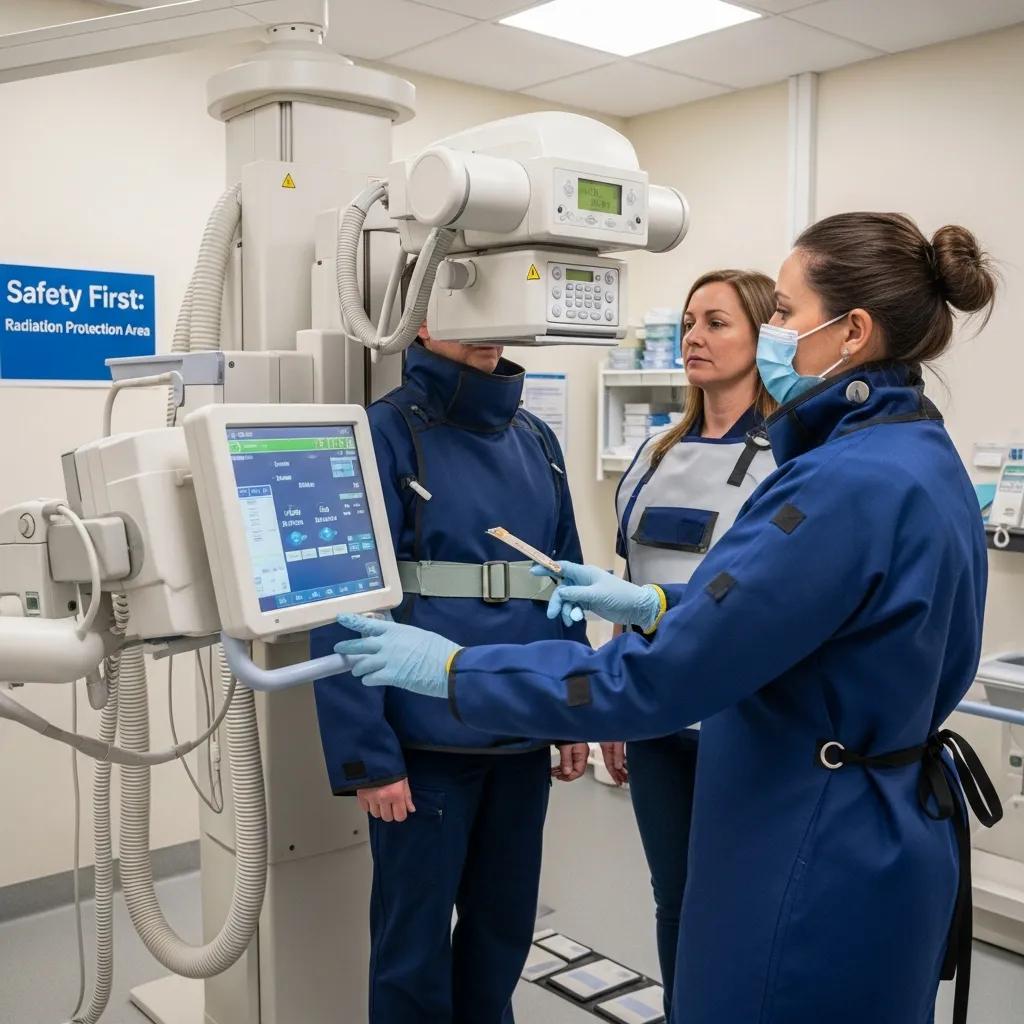
Patient safety in X‑ray services relies on dose optimisation, appropriate shielding, clinical justification for each study and well‑trained staff who follow regulatory standards and best practice. We apply ALARA (as low as reasonably achievable) principles using modern detectors, tailored exposure protocols and automatic exposure control to keep dose low while maintaining diagnostic image quality. Routine pregnancy checks, lead shielding where appropriate and compliance with local accreditation (for example NATA) support consistent safety across our sites. The table below outlines common safety measures and their practical benefits.
The table below summarises common radiation safety measures and why they matter.
Together, these safety measures ensure the diagnostic benefit of X‑ray outweighs the small associated risk and give patients clear protections during imaging.
What is the radiation dose in digital X‑ray and is it safe?
Digital X‑ray doses are generally low — often equivalent to a few days or weeks of natural background radiation for common studies. A chest X‑ray, for example, represents a very small fraction of annual background exposure. Modern detectors and optimisation protocols let us obtain diagnostic images with fewer photons, and national guidance from ARPANSA and professional bodies informs our protocols. Clinicians always weigh risk versus benefit: if an X‑ray is likely to affect management, the diagnostic value outweighs the minimal radiation risk. If you have concerns — especially about pregnancy — our radiographers and the reporting radiologist can explain comparative risks and the clinical justification for the study.
How should patients prepare for their X‑ray appointment?
Preparation is usually simple: wear loose clothing without metal fastenings, remove jewellery and bring any referral paperwork or prior imaging if you have it. Tell staff if you might be pregnant. Some specific exams require extra steps — for example changing into a gown or exposing the area of interest — and the radiographer will give clear instructions when you book or at arrival. A valid referral speeds check‑in and ensures the exam is coded correctly for reporting and billing. Good preparation reduces delays and the need for repeat exposures.
- Bring your GP referral and photo ID to the appointment.
- Wear comfortable, loose clothing and remove metal jewellery.
- Tell staff about pregnancy, recent imaging or any implanted devices.
Arriving prepared helps the appointment run smoothly and improves image quality.
How can patients book an X‑ray appointment at Life Medical Imaging Central Coast?
You can book an X‑ray online or by phone. Please have a referral from your GP or referring clinician ready when you book so we can triage correctly and record the clinical question. Online booking lets you choose location and service and usually allows referral upload; phone booking gives you personalised help and advice about preparation or urgent availability. We recommend telling staff if the study is urgent so it can be prioritised. The table below shows common booking methods and the steps for each.
Below is a simple comparison of booking methods and what you need to do.
What is the process for booking X‑ray appointments online or by phone?
Online booking: choose your preferred Central Coast location and X‑ray type, enter patient details and upload a clear GP referral; you’ll receive confirmation and any pre‑appointment instructions. Phone booking: have your referral, Medicare or private health details ready and tell staff about mobility or paediatric needs so we can allow the right appointment time. Confirmations usually include arrival guidance and preparatory notes; some clinics send SMS reminders. If the study is urgent, tell staff at booking so it can be triaged appropriately.
Do patients need a GP referral for X‑ray services?
Yes — most X‑ray services require a clinical referral from a GP or specialist. A referral records the clinical question, which helps radiographers and radiologists select the appropriate technique and views. Referrers can often book on a patient’s behalf or send electronic referrals directly to speed scheduling. If you don’t yet have a referral, contact your GP who can arrange one after assessment to ensure the imaging is justified and targeted to the problem.
What happens during and after your X‑ray scan?
On arrival we check your referral and identity and take a brief clinical history to confirm the indication and any pregnancy considerations. During the scan the radiographer explains positioning, takes the required views and checks images on the console to ensure diagnostic quality before you leave. After imaging a consultant radiologist reviews the images and issues a formal report that’s sent to the referring clinician. Turnaround is usually rapid for urgent studies and may take longer for complex or multi‑modality reports. Your referring clinician will discuss findings and next steps with you in the context of your overall care.
What should patients expect on the day of their X‑ray appointment?
When you arrive, check in and present your referral and ID. Reception confirms details and any special needs, then the radiographer takes you to the imaging room. The radiographer explains the steps, positions you and gives simple instructions — for example breath‑holding for chest views to reduce motion artefact. Each exposure is brief and usually painless. Standard X‑ray appointments often take 10–20 minutes, though complex studies or paediatric cases may need more time. Clear communication with staff helps reduce anxiety and often achieves diagnostic images on the first attempt.
How are X‑ray results delivered and interpreted?
After acquisition, images are reported by a consultant radiologist and the structured report is sent to the referring clinician, who will integrate the findings into your care plan. Routine outpatient reports are typically available within 24–48 hours, while urgent inpatient or emergency requests are prioritised for same‑day reporting when clinically required. If you’d like a direct explanation of your report, discuss it with your GP or specialist, who can interpret results in the context of your symptoms and treatment options. If you need copies of images or reports for second opinions, we provide secure processes that protect privacy while enabling continuity of care.
Why choose Life Medical Imaging Central Coast for your X‑ray needs?
Life Medical Imaging Central Coast pairs up‑to‑date imaging equipment with experienced consultant radiologists and consistent clinical governance at multiple convenient Central Coast locations. Our clinics are NATA accredited independent radiology services offering “Ultra‑low Dose, High Definition” imaging in comfortable, modern settings — a combination that supports image quality and patient safety. Multiple local sites increase appointment availability and reduce travel barriers, while consultant oversight ensures reports meet best‑practice standards and reach referrers promptly.
How do our experienced radiologists and modern facilities benefit patients?
Consultant radiologists apply specialist expertise to interpret images accurately and guide next steps in care, helping avoid unnecessary tests and speed appropriate treatment. Modern digital equipment and optimised exposure protocols deliver high‑definition images at ultra‑low doses, and efficient workflows shorten wait times and speed report delivery. Our accreditation and quality assurance programs keep standards consistent across sites — giving referrers and patients confidence in the imaging pathway.
What are the advantages of our multiple Central Coast locations?
Having several sites across the Central Coast improves local access to imaging, offering more appointment choices and shorter travel for routine or follow‑up studies. Consistent protocols and accreditation ensure the same standard of care at each clinic, while wider geographic coverage supports faster appointment availability and continuity between referring clinicians and imaging services. This local network makes it easier to include diagnostic imaging in everyday patient care.
- Bring your GP referral and photo ID: this speeds check‑in and ensures the exam matches the clinical question.
- Wear loose clothing and remove metal jewellery: this reduces artefact and the chance of repeat imaging.
- Tell staff if you are pregnant or breastfeeding: we will apply additional protections or reschedule if needed.
Following these steps improves safety, image quality and the overall experience. Our staff are happy to answer practical questions at booking or on arrival.
For appointments or enquiries, call our central phone number to speak with staff who can advise on booking, preparation and location options. Life Medical Imaging Central Coast focuses on clinical quality, patient safety and convenient access across our local sites to support accurate, timely diagnosis.
Frequently asked questions
What should I do if I have concerns about radiation exposure from X‑rays?
If you’re worried about radiation exposure, please raise this with your radiographer or referring clinician. They will explain the safety measures we use — including low‑dose protocols — and why the exam is clinically justified. Digital X‑rays usually involve much lower doses than older methods, and when an X‑ray is expected to change management the diagnostic benefit typically outweighs the small risk. If appropriate, your clinician can discuss alternative imaging options.
Can I bring someone with me to my X‑ray appointment?
Yes — you may bring a companion to your appointment. A support person can help reduce anxiety, especially for children or those needing assistance. Please tell the clinic in advance, as there may be limits on attendance in the imaging room for safety reasons; in many cases companions wait in the reception area or a designated waiting room.
How long does it typically take to receive X‑ray results?
Turnaround times depend on urgency. Routine outpatient X‑ray reports are usually available within 24–48 hours. Urgent cases are prioritised and may be reported the same day. Once the consultant radiologist has reported the images, the structured report is sent to your referring clinician, who will discuss the findings with you.
What happens if I need further imaging after my X‑ray?
If further imaging is needed, your referrer will discuss next steps with you. Options may include additional X‑rays, CT or MRI depending on the clinical question. Decisions about further testing are based on the initial X‑ray findings and your symptoms; your healthcare provider will ensure any additional imaging is necessary and appropriate.
Are there any specific conditions that might prevent me from having an X‑ray?
Most patients can safely have X‑ray imaging, but some situations need extra care. If you are pregnant or think you might be, tell staff before the exam so we can consider alternatives or delay the study if appropriate. Also inform us about medical conditions or treatments that might affect the approach to imaging.
What should I do if I need to cancel or reschedule my appointment?
If you need to cancel or change your appointment, contact the clinic as soon as possible. Most clinics have a flexible cancellation policy if you give adequate notice. Have your appointment details ready when you call and our staff will help you find a new time that suits you.
Conclusion
Life Medical Imaging Central Coast provides modern digital X‑ray services with a focus on patient safety, comfort and diagnostic quality. With ultra‑low dose protocols and a wide range of scan types across multiple local clinics, patients can expect efficient, accurate imaging tailored to clinical needs. Booking is simple — online or by phone — and our team is ready to support your care. To arrange an X‑ray, contact us or schedule online through your preferred Central Coast location.