



Ultrasound Machine Guide Australia: Types, Technology, Costs, and Booking
Ultrasound machines are diagnostic imaging devices that use high-frequency sound waves to create real-time images of the body’s internal structures, providing a safe, non-invasive way to assess organs, blood flow and pregnancies. This guide explains how diagnostic ultrasound machines work, outlines the main scan types used in Australia, and describes recent technology trends such as portable and AI-enhanced devices. Many patients want transparent information on safety, preparation and costs before they book an ultrasound; this article addresses referral steps, Medicare rebate mechanics and typical out-of-pocket expectations. You will also find practical preparation checklists and step-by-step booking advice to streamline the patient journey from referral to results. Throughout the guide we use common terms like diagnostic ultrasound machine, Doppler ultrasound and point-of-care ultrasound (POCUS) to make it straightforward to compare options and understand what to expect. By the end you’ll understand scan choices, how devices differ, what costs look like in Australia and how to find and book an appropriate imaging service.
What Is an Ultrasound Machine and How Does It Work?
An ultrasound machine is a medical device that produces images by emitting high-frequency sound waves from a transducer and interpreting the returning echoes to form an image, delivering rapid visualisation of soft tissues without ionising radiation. The mechanism relies on the pulse-echo principle: short sound pulses travel into the body, reflect off tissue interfaces and return to the probe where timing and amplitude information are converted to real-time images. The specific benefit is immediate bedside assessment for organs, blood flow and foetal development, making ultrasound a first-line diagnostic imaging tool in many clinical settings. Ultrasound is generally safe for repeated use, including during pregnancy, because it uses mechanical energy rather than ionising radiation; nevertheless sonographers and clinicians apply standard safety guidelines to limit exposure. Understanding this basic mechanism leads naturally into a closer look at how the transducer and software features determine image quality and clinical capability.
How Do Ultrasound Machines Use Sound Waves for Imaging?
Ultrasound imaging depends on the transducer sending focussed sound pulses and then detecting echoes that vary with tissue density, creating a map of internal structures by calculating time-of-flight and echo strength. Higher frequencies provide better resolution but reduced penetration, while lower frequencies penetrate deeper tissues at the expense of fine detail, which is why probe selection depends on the target organ. This pulse-echo interaction enables clinicians to visualise fluid-filled structures, organ boundaries and moving structures such as heart valves or foetal motion in real time. Clinically, the same principle applies across abdominal scans for liver and kidneys, pelvic scans for reproductive organs, and Doppler studies that assess blood flow by detecting frequency shifts. These physical basics explain why ultrasound is versatile across many indications and why probe type and frequency choice critically affect diagnostic accuracy.
What Are the Key Features of Modern Ultrasound Machines?
Modern ultrasound machines combine advanced transducers, image-processing software and connectivity to improve diagnostic confidence, workflow and reporting speed. Key features include Doppler modes for vascular assessment, 3D/4D imaging for obstetric detail, harmonic imaging for clearer tissue contrast, and image-enhancement algorithms that optimise clarity. AI-assisted tools increasingly offer automated measurements, anomaly detection and standardised reporting templates that reduce operator variability and speed exam completion. Wireless and handheld probes extend access to point-of-care situations while full console systems still provide the highest-resolution imaging for complex examinations. Considering these features helps patients understand why some scans are performed on large cart-based systems while others can be completed with portable or handheld devices at the bedside.
The integration of artificial intelligence (AI) in ultrasound has significantly advanced diagnostic capabilities and workflow efficiency.
L’intelligence artificielle en diagnostic échographique : une révolution pour l’imagerie médicale et les flux de travail
L’intégration de l’intelligence artificielle (IA) en médecine échographique a révolutionné l’imagerie médicale, améliorant la précision diagnostique et les flux de travail cliniques. Cette revue se concentre sur les applications, les défis et les perspectives d’avenir des technologies d’IA, en particulier l’apprentissage automatique (ML) et son sous-ensemble, l’apprentissage profond (DL), en diagnostic échographique. En exploitant des algorithmes avancés tels que les réseaux neuronaux convolutifs (CNN), l’IA a considérablement amélioré l’acquisition d’images, l’évaluation de la qualité et le diagnostic objectif des maladies. Les solutions basées sur l’IA facilitent désormais l’analyse automatisée des images, l’assistance diagnostique intelligente et la formation médicale, permettant une détection précise des lésions dans divers organes tout en réduisant la charge de travail des médecins. Les capacités de détection d’erreurs de l’IA améliorent encore la précision diagnostique.
Progress in the application of artificial intelligence in ultrasound-assisted medical diagnosis, 2025
For patients seeking local imaging services, some providers — for example the sample provider N/A Medical Imaging — facilitate a range of diagnostic ultrasound scans and can advise on suitable device types and appointment options. If you need help choosing between point-of-care or full-system imaging or want to enquire about availability, a brief enquiry to your chosen provider can clarify which service best matches the clinical question. This practical connection supports informed booking without replacing clinical referral pathways.
What Are the Main Types of Ultrasound Scans Available in Australia?

Ultrasound scans in Australia cover obstetric, abdominal, pelvic, cardiac, musculoskeletal and vascular applications, each tailored to a clinical question and patient group. In broad terms, ultrasound evaluates soft tissues and moving structures, including foetal growth, organ pathology, joint and tendon injuries, and blood flow with Doppler techniques. Choice of scan depends on symptoms, clinician referral details and the required level of specialist reporting, which together determine whether a standard exam, a targeted study or an advanced 3D/4D assessment is arranged. Below is a compact comparison to help patients recognise which scan type aligns with common indications and what to expect in terms of clinical focus.
Different scan types and their typical clinical uses are summarised in the table below.
Which Ultrasound Scans Are Used for Pregnancy and Fetal Monitoring?
Pregnancy ultrasounds include specific timed examinations such as dating scans in the first trimester, nuchal translucency screening, and morphology/anatomy scans around 18–20 weeks that assess foetal anatomy and major anomalies. 3D and 4D imaging provide additional surface detail useful in selected situations, for parental bonding and in some specialised assessments, but are not routinely required for standard diagnostic reporting. Each obstetric scan has a clear clinical purpose: dating establishes gestational age, nuchal translucency evaluates early risk markers, and morphology assesses structural development; sonographers document growth, placenta position and foetal wellbeing. In Australia, many obstetric scans are eligible for Medicare rebates when requested by a referring practitioner and coded appropriately, although private clinic practices and additional non-diagnostic 3D/4D keepsake imaging may incur extra fees. Knowing the purpose and timing of each scan helps pregnant patients plan appointments and understand what information each visit will provide.
What Are Common Diagnostic Ultrasound Scans for Abdomen, Cardiac, and Musculoskeletal Areas?
Abdominal ultrasound typically images the liver, gallbladder, pancreas and kidneys to investigate pain, abnormal liver function tests or suspected stones, and it is often the first-line test for many abdominal complaints. Echocardiography evaluates heart structure and pump function, providing essential data for diagnosing heart failure, valvular disease and pericardial effusion; it combines 2D imaging with Doppler to quantify flow and pressure gradients. Musculoskeletal ultrasound targets tendons, ligaments and superficial joints, offering dynamic assessment that can reveal tears, inflammation and fluid collections with the benefit of guided injections when needed. Each of these diagnostic pathways uses probe selection, patient positioning and focused protocols to answer distinct clinical questions efficiently, guiding further management or referral when abnormalities are detected.
How Is Portable Ultrasound Machine Technology Changing Medical Imaging?
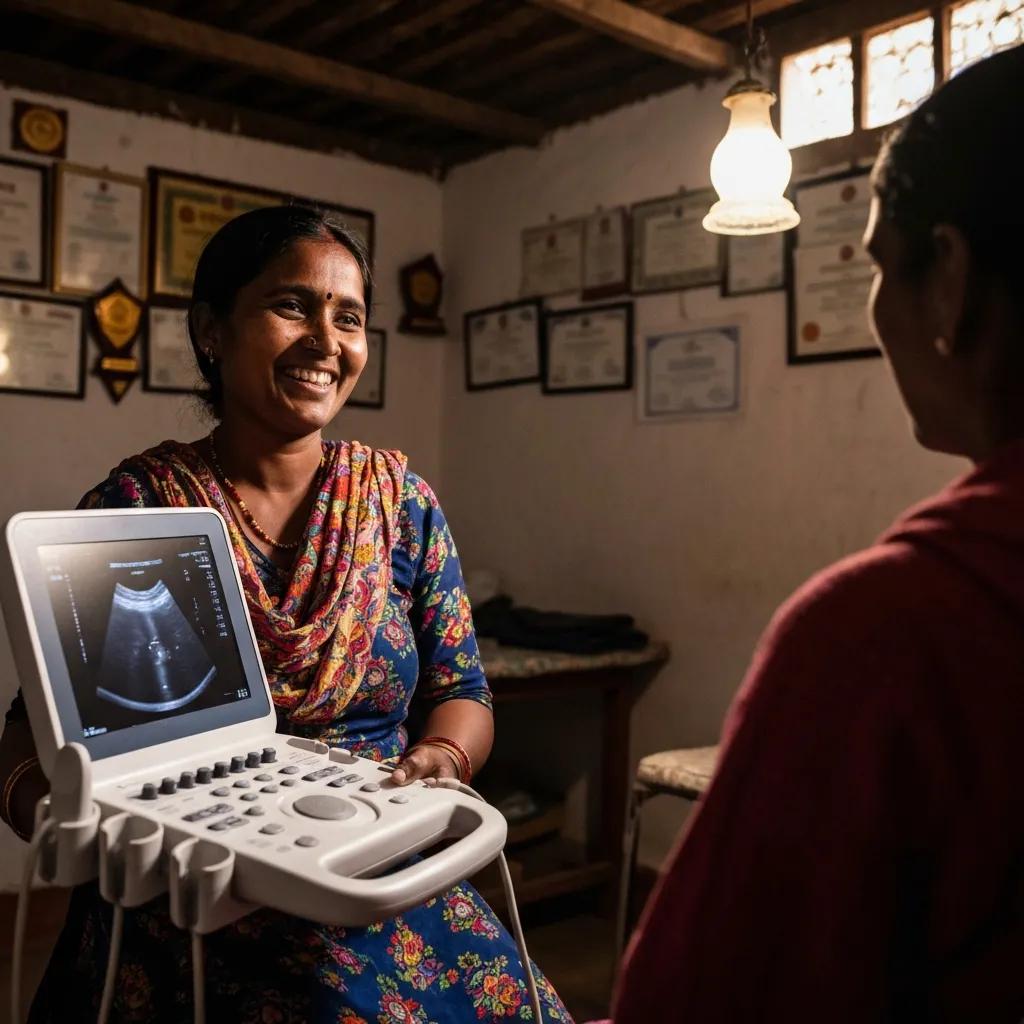
Portable ultrasound technology — including cart-based, portable laptop-style and handheld systems — is reshaping access to diagnostic imaging by enabling rapid point-of-care assessments in emergency departments, ambulatory clinics and rural outreach. The core mechanism remains sound-wave imaging, but miniaturisation, battery power and wireless connectivity let clinicians perform focused examinations at the bedside, accelerate triage and reduce time to decision. The primary benefit is faster diagnosis and reduced need for patient transfer to imaging departments, improving access in remote or resource-limited settings. Limitations include lower image resolution for some deep-structure or highly detailed studies and dependence on operator skill for accurate interpretation, which is why high-end console systems remain standard for comprehensive examinations. Comparing device classes illustrates when each is clinically appropriate and how portability expands service models without replacing full diagnostic capability.
Introductory comparison of common device classes is provided below to clarify where portable systems fit clinically.
What Are the Benefits of Portable Ultrasound Machines for Point-of-Care Diagnostics?
Portable ultrasound offers measurable clinical advantages including faster bedside diagnosis, improved triage and the ability to perform serial assessments without moving the patient, which can be lifesaving in acute settings. In emergency departments and general practice, focused ultrasound can rapidly confirm or exclude free fluid, basic cardiac activity, or large effusions, expediting treatment decisions that previously required transport to fixed imaging suites. For rural and remote communities, mobile ultrasound services reduce travel burden and enable earlier diagnosis closer to home, improving continuity of care. While portable systems increase access, they demand proper training and governance to ensure image quality and appropriate escalation when a full diagnostic study is required. Recognising these benefits clarifies when a point-of-care scan is adequate and when referral for a comprehensive examination is preferable.
How Is AI Enhancing Ultrasound Machine Accuracy and Workflow?
AI in ultrasound supports clinicians by automating measurements, enhancing image quality and flagging potential abnormalities to streamline reporting and reduce inter-operator variability. Automated border detection and standardised measurement tools speed routine tasks such as foetal biometry and cardiac chamber quantification, improving consistency across operators and clinics. Image-enhancement algorithms can increase contrast and reduce speckle, making subtle findings easier to visualise and interpret during the scan. Importantly, AI functions as clinician support rather than replacement; final interpretation and clinical correlation remain the responsibility of trained sonographers and radiologists. These advances contribute to faster, more reproducible exams and improved patient pathways when integrated with robust training and oversight.
For patients wanting to access mobile or point-of-care ultrasound services, some imaging providers (for example N/A Medical Imaging) offer outreach and clinic-based POCUS options that use portable devices to improve local access. If mobile services are relevant to your clinical situation, enquire with your referrer or local imaging provider about availability and scope of service.
What Are the Typical Costs of Ultrasound Scans in Australia?
Typical ultrasound costs in Australia vary by scan type, provider billing practices and whether Medicare rebates or private health insurance apply, producing a wide but predictable range of out-of-pocket expenses. Many standard diagnostic ultrasound scans attract a Medicare rebate when requested by a GP or specialist and when the clinical item number criteria are met, which reduces the patient’s out-of-pocket cost though private billing practices mean some gap payments may still occur. Additional factors that affect price include the need for specialist reporting, after-hours or urgent scans, use of advanced 3D/4D imaging and clinic location. Below is a transparent cost comparison that illustrates typical Medicare rebate influence and estimated private out-of-pocket ranges to help patients plan financially before booking.
How Do Medicare Rebates and Private Health Insurance Affect Ultrasound Costs?
Medicare rebates reduce patient costs for many medically indicated ultrasound scans when a valid referral and correct clinical item code are provided, but rebates rarely cover the full provider fee and gaps may apply. Private health insurance can offset some private-clinic fees for inpatient and certain outpatient imaging depending on your level of cover and policy rules, yet insurer policies vary and pre-authorisation may be required for some procedures. Urgent or after-hours imaging, specialist sub-specialty reporting and advanced imaging options can increase fees beyond rebate levels, producing higher out-of-pocket expenses. Patients should request an estimate from the imaging provider before the appointment and ask their referrer to include clear clinical questions on the referral to maximise the chance of rebate eligibility.
What Out-of-Pocket Expenses Should Patients Expect for Different Ultrasound Services?
Out-of-pocket estimates differ by scan type and clinic; typical ranges for diagnostic outpatient scans in Australia commonly fall from low to moderate depending on whether the provider bulk-bills, applies a gap fee, or offers private reporting options. Factors that raise costs include specialist radiologist reporting, immediate urgent reporting, use of contrast agents, extended procedural time, or non-diagnostic 3D/4D keepsake imaging. To budget effectively, patients should ask the imaging clinic for an itemised fee estimate and clarify whether Medicare rebates apply for the requested investigation. Understanding these cost drivers enables patients to compare providers and choose the service that best balances diagnostic need, timeliness and affordability.
Within your booking conversation, clinics will typically explain payment options, whether Medicare rebates apply, and how to process claims; this practical booking guidance can reduce unexpected fees and help you plan ahead when arranging the scan.
How Can Patients Prepare for an Ultrasound Scan?
Preparation requirements vary by scan type but the goal is always to optimise image quality so clinicians can answer the clinical question accurately; following preparation instructions reduces the risk of repeat scans. Common preparation elements include fasting for abdominal studies to reduce bowel gas, a full bladder for pelvic and early pregnancy scans to improve acoustic windows, and wearing loose clothing to facilitate probe access. Patients should bring the referral, Medicare card where applicable and any relevant prior imaging or reports to the appointment; clear communication of symptoms and clinical history to the sonographer helps tailor the exam. The following practical checklist and stepwise instructions help patients prepare for common ultrasound examinations and ensure efficient appointments.
Patients can use the checklist below to prepare for many routine ultrasound appointments.
- Bring your referral and identification: A valid referral is often required for rebate eligibility and accurate clinical context.
- Confirm fasting or fluid instructions: Follow clinic-specific guidance for abdominal or pelvic scans to ensure good image quality.
- Wear comfortable clothing: Loose garments allow easy access to the scanned area and preserve modesty during the examination.
- Bring relevant medical history or prior reports: Previous imaging helps comparison and may reduce the need for repeat tests.
Following this checklist minimises delays and improves the diagnostic utility of the scan, and the next section explains exact timing and fluid/fasting protocols for common scan types.
What Are the Preparation Requirements for Abdominal and Pelvic Ultrasounds?
For abdominal ultrasound, patients are commonly asked to fast for 6 hours to reduce bowel gas and improve visualisation of the liver, gallbladder and pancreas, though specific fasting times can vary by clinic and clinical question. For pelvic or transvaginal scans, a full bladder is often required for transabdominal imaging to act as an acoustic window and improve pelvic organ visualisation; clinics will advise precise fluid volumes and timing. Transvaginal scans have different preparation and may not require a full bladder; clinicians will advise based on the indication and patient comfort. Always follow the instructions provided by the imaging service because tailored guidance improves image quality and reduces the chance of needing to reschedule.
How Should Patients Get Ready for Pregnancy and Other Specialized Ultrasound Scans?
For pregnancy scans, arrive with your referral, Medicare card if claiming a rebate, and any previous obstetric imaging or notes to support comparative assessment of foetal growth and wellbeing. Dress in comfortable clothing that allows access to the abdomen; partners or support persons are usually welcome but clinic policies on attendance may vary so check ahead if this matters to you. Allow sufficient arrival time for registration and inform staff of any relevant medical history or pregnancy concerns so the sonographer can tailor the examination. Good preparation and open communication help the sonographer obtain diagnostic images efficiently and ensure the scan provides useful clinical information.
How Do You Book an Ultrasound Appointment and Find Medical Imaging Services in Australia?
Booking an ultrasound appointment in Australia typically follows a referral from a GP or specialist, after which patients can schedule by phone or online through clinic booking systems where available, providing the referral details and clinical priority. The clinic will ask for the referral item number or clinical reason, patient details, Medicare information for rebates and whether a radiologist report is required; answering these questions clearly helps match the appointment type and urgency. When choosing a provider, consider accessibility, reporting turnaround times and whether the clinic bulk-bills or charges a gap, and ask about the equipment class if image quality is important for complex cases. The short numbered steps below outline a practical booking pathway to help patients navigate referrals and scheduling efficiently.
Follow these numbered steps to book an ultrasound appointment:
- Obtain a referral: Ask your GP or specialist for a written referral specifying the clinical question and urgency.
- Contact a suitable imaging provider: Provide the referral details and ask about fees, Medicare rebates and appointment availability.
- Confirm preparation instructions and arrival time: Ask the clinic for any fasting or full bladder requirements before attending.
- Bring referral and any prior imaging to the appointment: Present documents at check-in to support rebate processing and reporting.
What Is the Process for Getting a Referral and Scheduling an Ultrasound Scan?
A referral from a GP or specialist usually specifies the clinical indication, required scan type and urgency; including clear clinical questions and relevant history helps the imaging team select the right protocol. After you receive a referral, contact an imaging provider and provide the referral details, Medicare information and preferred appointment times; ask whether bulk-billing is available or whether a gap fee applies. Wait times vary by region and urgency — some clinics offer rapid access for urgent referrals while routine appointments may take longer — so communicate clinical urgency when booking. On the day of the scan, present the referral and any prior imaging or reports to the reception staff to facilitate accurate processing and billing.
Where Can Patients Find Ultrasound Clinics and Services Near Them?
Patients can locate ultrasound clinics through local GP recommendations, national imaging network locators and reputable health directories that list accredited providers; word-of-mouth and clinician referrals often help identify clinics with short wait times or specific subspecialty expertise. When evaluating providers, consider reporting turnaround times, the availability of specialist radiologists, the equipment class used for the examination and whether the clinic offers bulk-billing for eligible scans. For rural or remote patients, enquire about mobile services or outreach clinics that bring portable ultrasound to regional communities, improving access without extensive travel. Asking your referring clinician for recommended providers is a practical first step to ensure the chosen clinic meets the clinical need and administrative requirements for rebates.
If you want assistance finding local imaging options or checking mobile service availability, example providers such as N/A Medical Imaging may be able to advise on clinic locations and appointment options; enquiring early helps align referral requirements, preparation instructions and cost expectations before your scheduled scan.