



Find and Book Central Coast Ultrasound Clinics
This guide helps you find ultrasound clinics across the Central Coast, understand the scans they offer, and book the right test for your needs. We explain the common ultrasound types available locally, why each is used, and how to prepare so you arrive informed and confident. Many people search for “ultrasound clinics near me” or “pregnancy scan near me Central Coast” when they need quick answers — this page maps local clinics, clarifies referral and insurance points, and shows easy booking options. You’ll find a concise list of clinics and services, clear differences between ultrasound and other imaging, practical preparation checklists for common scans, and guidance on costs and rebates. The content is designed to help you act on what you learn without technical jargon. Read on to choose the right ultrasound, prepare correctly, and book efficiently on the Central Coast.
Which ultrasound clinics are available on the Central Coast?
Below we list the main local providers and the ultrasound services they typically offer so you can pick the most convenient location. The Central Coast has several outpatient clinics providing comprehensive diagnostic ultrasound, including specialised women’s and cardiac imaging at accredited sites. Naming clinics alongside their core services makes it easy to find the right place for pregnancy scans, vascular Doppler studies, musculoskeletal assessments or breast imaging. Scroll down for a clinic-by-clinic mapping and practical contact details for bookings.
What services do Life Medical Imaging Central Coast clinics offer?
Life Medical Imaging Central Coast delivers a broad range of ultrasound services to answer common clinical questions — from pregnancy dating to joint and vascular problems. Our clinics provide General, Vascular (Doppler), Musculoskeletal, Obstetric and Gynaecological, Breast, and 3D/4D obstetric imaging. Sonographers use high-quality transducers and Doppler tools when needed to visualise anatomy and blood flow in real time, producing reports for your referring doctor. Below is a short guide to the main ultrasound types and what they’re used for so you can match symptoms or referrals to the correct scan.
- General abdominal ultrasound: assesses the liver, gallbladder, kidneys and other abdominal organs for pain or abnormal blood tests.
- Obstetric ultrasound (dating, nuchal translucency, morphology): tracks fetal growth, anatomy and key pregnancy milestones.
- Gynaecological ultrasound: evaluates the uterus and ovaries for fibroids, cysts and causes of pelvic pain or abnormal bleeding.
- Vascular (Doppler) ultrasound: measures blood flow to check for clots, venous insufficiency or arterial disease.
- Musculoskeletal ultrasound: inspects tendons, ligaments and joints for tears, inflammation and for guiding injections.
- Breast ultrasound: investigates lumps or mammogram findings and helps target further assessment.
These descriptions show how each ultrasound type supports diagnosis and care, and lead into where you can access these scans on the Central Coast.
Where are the Bateau Bay, Killarney Vale, Umina Beach and Erina ultrasound clinics located?
Here’s a quick overview of each clinic, what it generally offers and how to book. Life Medical Imaging Central Coast operates clinics at Bateau Bay, Killarney Vale, Umina Beach and Erina, each serving nearby communities with diagnostic imaging and appointment support. Street addresses aren’t listed here, but each site serves its local suburb and provides a selection of ultrasound services — choose by convenience, required scan type or availability. The table below maps each clinic to its typical services and gives the main phone contact for enquiries and bookings.
The table below lists clinics, area notes, typical ultrasound services, phone contact and how to arrange a booking.
Use this table to compare clinic services; for urgent or specialist referrals call the central number to confirm the best location for your scan. Next, we explain the ultrasound types and how each supports clinical care.
What types of ultrasound services can you access on the Central Coast?
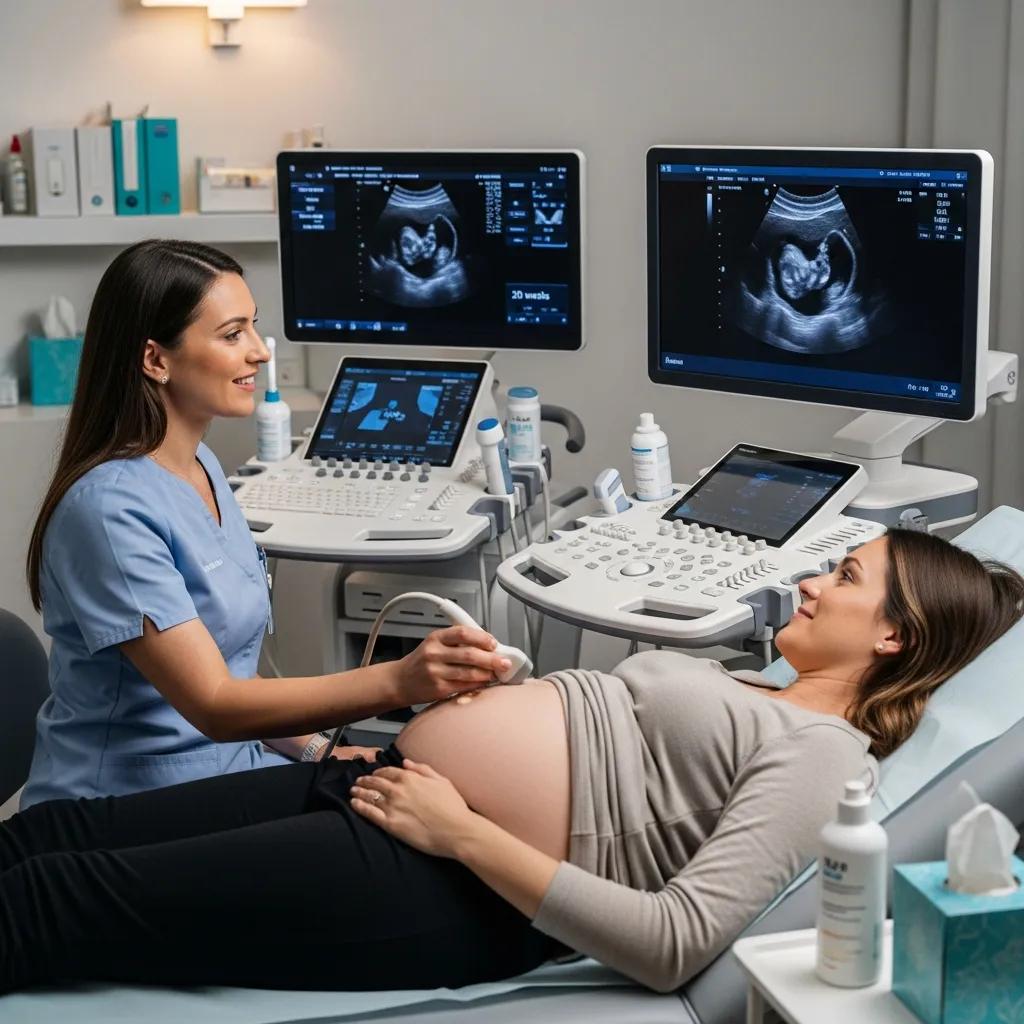
Ultrasound covers several diagnostic techniques available locally — obstetric, gynaecological, vascular (Doppler), musculoskeletal, breast and general abdominal scans. Each uses a transducer and, when needed, Doppler to show soft tissues, organs and blood flow in real time, without ionising radiation. That safety and immediacy make ultrasound a common first-line test. Below we outline prenatal and 3D/4D obstetric imaging, then applications in gynaecology, vascular medicine and musculoskeletal care.
How does prenatal and 3D/4D obstetric ultrasound support pregnancy care?
Prenatal ultrasound scans are scheduled at specific gestations to give the best clinical information. Typical scans include dating scans to confirm gestational age, first‑trimester screening such as nuchal translucency when indicated, and the detailed fetal morphology (anomaly) scan around the second trimester. 3D/4D obstetric imaging provides volumetric views and live surface rendering that can help detect certain structural concerns and often offers reassurance to expectant parents. These scans support clinical decisions about monitoring, specialist referral and birth planning and are timed to maximise diagnostic accuracy and fetal safety.
3D/4D ultrasound in prenatal diagnosis: applications and acceptance
3D/4D ultrasound has become widely used since the First World Congress for 3D Ultrasound in Obstetrics and Gynaecology in 1993. It helps assess the surface anatomy of the developing fetus and can aid detection of specific anomalies such as cleft lip and palate, as well as support evaluation of fetal growth and development.
3D/4D ultrasound in prenatal diagnosis: is it time for routine use?, JS Abramowicz, 2012
Clear timing guidance helps expectant parents understand what each scan can detect; the next section outlines benefits of gynaecological, vascular and musculoskeletal ultrasound for other clinical needs.
What are the benefits of gynaecological, vascular and musculoskeletal ultrasound?
Each specialised ultrasound type has distinct advantages for diagnosis and management. Gynaecological ultrasound provides high-resolution, real-time images of the uterus and adnexa — useful for pelvic pain, abnormal bleeding and structural conditions like fibroids or ovarian cysts. Vascular (Doppler) ultrasound measures blood flow to detect clots, evaluate varicose veins and assess arterial disease, guiding timely treatment when flow is compromised. Musculoskeletal ultrasound offers dynamic assessment of tendons, ligaments and superficial joints, often identifying tears, effusions or inflammation and enabling image‑guided injections or procedures.
Advanced 3D/4D ultrasound applications in obstetrics
3D/4D ultrasound is valuable for assessing fetal structures including the brain, spine, face and heart. It can assist in detecting brain anomalies, facial defects and certain cardiac abnormalities, and is useful for detailed evaluation of ribs and vertebral patterns in specific cases.
Applications of advanced ultrasound technology in obstetrics, 2021
- Gynaecological ultrasound: non‑invasive, real‑time pelvic imaging for structural and reproductive concerns.
- Vascular (Doppler): assesses blood flow dynamics to detect clots or insufficiency without radiation.
- Musculoskeletal ultrasound: dynamic scanning during movement to pinpoint the source of joint or tendon pain.
These advantages explain why ultrasound is often the preferred initial test for many presentations. The next section explains how to book a scan on the Central Coast.
How do you book an ultrasound appointment on the Central Coast?
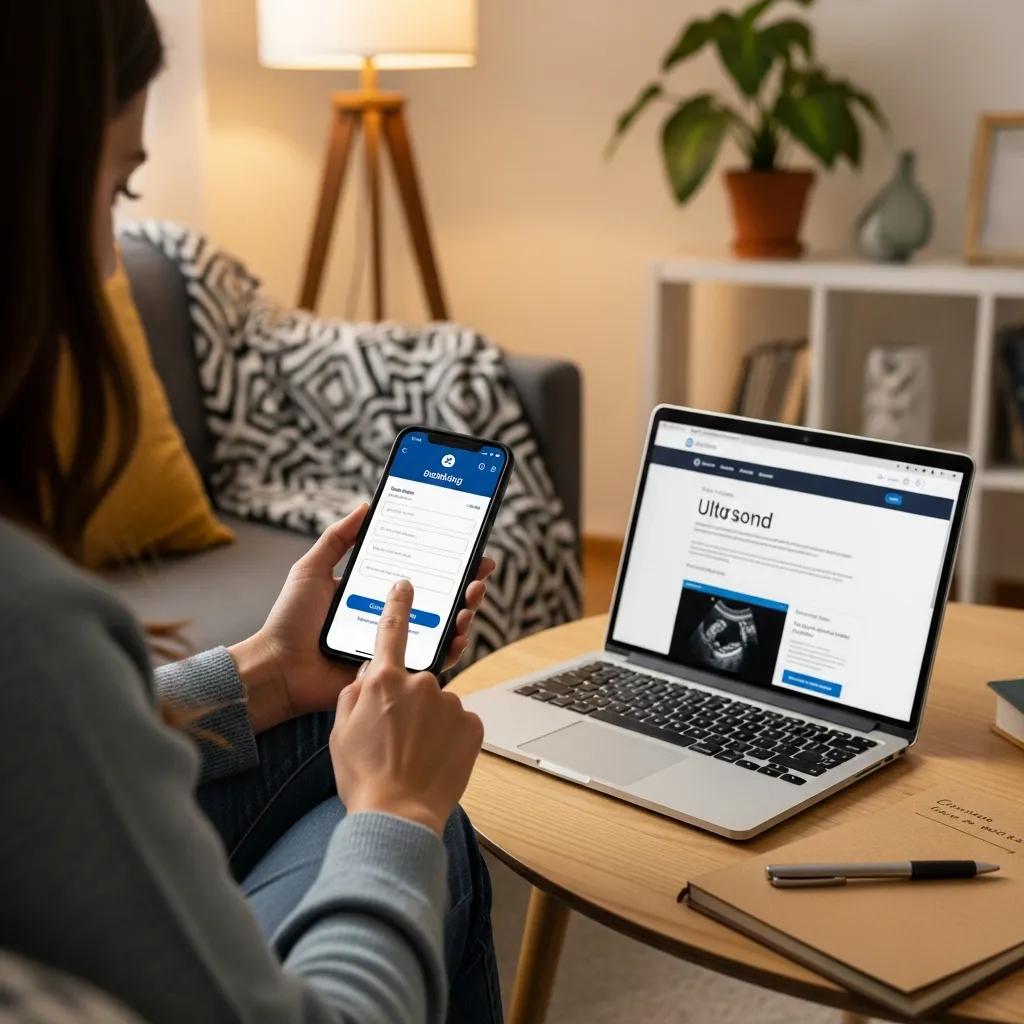
Booking is straightforward and can usually be done online or by phone. Most outpatient ultrasounds need a GP or specialist referral to qualify for Medicare rebates, and you’ll be asked for basic patient details and a preferred clinic. Life Medical Imaging Central Coast offers online booking through the practice website and phone bookings — have your referral, Medicare card and any prior imaging details ready to speed the process. Below are clear booking steps, referral rules and practical tips for calling or using the online system.
Can you book ultrasound services online or by phone?
Yes. Online booking lets you pick an available slot, specify the scan type and upload referral documents for immediate confirmation. Phone booking allows you to explain clinical urgency, ask location‑specific questions and confirm preparation instructions directly — the central number for appointments is 02 4326 7000. After booking you’ll usually receive confirmation and any fasting or bladder instructions; if you don’t get online confirmation, calling the clinic will ensure your appointment is secured.
These channels reduce barriers to care. The next subsection clarifies when a referral is required so you know whether to arrange one before booking.
Do you need a referral for ultrasound at Central Coast clinics?
In most cases yes — a GP or specialist referral is required to access Medicare rebates and to ensure the imaging is clinically appropriate. Clinics often request the referral at the time of booking to process billing. Some scans can be done privately without a rebate, but policies vary, so check with reception when booking. If you don’t have a referral, call the clinic on 02 4326 7000 to discuss options and urgency — a short GP visit to obtain a referral is often the simplest route to rebate eligibility and streamlined reporting back to your doctor.
Next we explain what to expect on the day of your scan and how to prepare.
What should you expect during your ultrasound scan at Central Coast locations?
Your visit typically begins at reception where you confirm identity and referral details. A sonographer will escort you to the imaging room, review the reason for the scan and explain the procedure. Most exams use a water‑based gel and a moving transducer over the skin; for some scans the sonographer may ask you to change position or hold your breath briefly to improve images. After the exam a radiologist prepares a report for your referring doctor, and urgent findings are escalated immediately. Many clinics also provide advice about follow‑up tests or bookings before you leave.
How should you prepare for different types of ultrasound scans?
Preparation varies by scan. Proper preparation reduces the chance of repeat scans and improves image quality. Below are short checklists for common ultrasound types and tips for comfort on the day.
- Abdominal ultrasound: fast for 6–8 hours before the scan unless instructed otherwise; bring a list of current medications.
- Pelvic/obstetric ultrasound: drink water beforehand and try not to void until after the scan so your bladder is comfortably full as directed.
- Vascular/musculoskeletal ultrasound: wear loose clothing that allows easy access to the area and avoid lotions or oils on the skin that day.
These simple steps minimise avoidable repeats and help the team capture the best images. Below we explain what happens during common procedures.
What happens during general, obstetric, and specialist ultrasound procedures?
Most general abdominal scans take about 20–30 minutes, with the sonographer systematically imaging organs and taking measurements. Obstetric scans can take longer depending on fetal position and the level of detail required; morphology scans are commonly 30–45 minutes. Specialist studies such as Doppler vascular assessments may require extra time to evaluate blood flow, and musculoskeletal scans often include movement to reproduce symptoms. You’ll typically feel only the cool gel and light pressure from the transducer. Ultrasound is non‑invasive, radiation‑free, and reports are sent to your referring clinician for follow‑up.
Understanding the process helps you plan your visit. The next section compares ultrasound with other imaging options so you can see when ultrasound is the best choice.
How do ultrasound services at Central Coast clinics compare to other diagnostic imaging?
Ultrasound has specific strengths and limitations compared with CT, MRI and X‑ray. It provides real‑time images without ionising radiation, is portable, cost‑effective for many indications and enables dynamic assessment that CT and MRI cannot in real time. Limitations include reduced penetration in larger patients and difficulty imaging structures hidden by bone or air — in those cases CT or MRI may be preferred for deeper detail or complex anatomy. Below we summarise where ultrasound often has the advantage and when another modality may be more appropriate.
What are the advantages of ultrasound over CT, MRI, and X‑ray imaging?
Ultrasound is radiation‑free and safe for repeated use in pregnancy, offers real‑time assessment for guided procedures and motion‑based musculoskeletal evaluation, and is often faster and more accessible than MRI for outpatient needs. CT is superior for bone detail and complex cross‑sectional views, while MRI provides excellent soft tissue contrast for deep structures. Ultrasound is usually the best initial test when superficial soft tissue visualisation, vascular flow assessment or bedside portability are priorities. Common scenarios favouring ultrasound include:
- Pregnancy monitoring and fetal assessment when radiation must be avoided.
- Evaluation of superficial organs and soft tissues such as the thyroid, testes or tendons.
- Doppler assessment of blood flow for suspected thrombosis or venous insufficiency.
These points help clinicians and patients choose the appropriate first test and decide when referral to CT or MRI is needed.
Why choose Life Medical Imaging Central Coast for your diagnostic ultrasound needs?
Life Medical Imaging Central Coast is an independent, NATA‑accredited radiology provider with modern equipment and multiple clinic locations across the Central Coast, NSW. We offer specialist women’s and cardiac imaging, patient‑centred care and convenient online booking. NATA accreditation reflects our commitment to recognised quality and safety standards, and our range of services and locations improves local access for prenatal, vascular or specialist ultrasound care. For appointments call 02 4326 7000.
That practical overview leads into costs and insurance information to help you plan.
What are the costs and insurance options for ultrasound services on the Central Coast?
Costs depend on scan type and whether a Medicare rebate applies. Medicare rebates usually apply when a GP or specialist requests the scan with an appropriate item number, but the rebate amount and any gap fee vary. Private health insurance may cover inpatient imaging and sometimes outpatient scans depending on your policy; some patients choose to self‑fund for faster access. The table below summarises typical coverage factors and what to check with the clinic before booking.
How much do ultrasound scans typically cost in NSW?
Scan costs vary by complexity and whether a Medicare rebate applies. Private billing depends on scan type, specialist involvement, use of advanced imaging like 3D/4D, and any urgent reporting. For accurate figures contact clinic reception when booking and confirm if a Medicare rebate will be claimed and what the expected gap payment is. Requesting a written estimate or billing code at scheduling helps you check coverage with your insurer and avoid surprises.
Clear cost information helps you plan. The next subsection explains Medicare and private insurance coverage in more detail.
Are ultrasound services covered by Medicare or private health insurance?
Medicare rebates generally apply for outpatient ultrasound when requested by an eligible referring practitioner with a valid clinical indication — ensure your referral includes the reason for the scan to support rebate processing. Private health insurance may contribute depending on the policy, whether the scan is inpatient or outpatient, and any excess or co‑payment terms. Contact your insurer with the clinic’s billing details to confirm eligibility. Before booking, ask the clinic to confirm if a Medicare rebate is expected and request an estimate of any out‑of‑pocket amount so you can choose the most suitable pathway for care.
With that practical checklist you now know where services are offered, how to prepare, how to book and who to call about costs and coverage on the Central Coast.
Frequently asked questions
What should I bring to my ultrasound appointment?
Bring your GP or specialist referral (needed for Medicare rebates), your Medicare card and any recent imaging reports that relate to this scan. A list of current medications or relevant medical history can also help the sonographer. Being prepared makes your appointment smoother and helps the team provide the best care.
How long does an ultrasound appointment typically take?
Time varies by scan type. Standard abdominal scans usually take 20–30 minutes. Obstetric morphology scans can last 30–45 minutes depending on the level of detail required. Specialist studies such as Doppler assessments may take longer. Allow extra time for check‑in and any administrative steps.
Are there any risks associated with ultrasound scans?
Ultrasound is safe and non‑invasive with no known risks when used appropriately. Unlike X‑rays or CT, ultrasound does not use ionising radiation, making it suitable for pregnancy and paediatric imaging. Follow any preparation instructions from the clinic to ensure the best possible images.
Can I bring someone with me to my ultrasound appointment?
Yes — you are generally welcome to bring a support person, especially for obstetric scans. Check with the clinic beforehand, as some sites may have limits on the number of people allowed in the exam room due to space or privacy considerations.
What happens if I need a follow-up scan?
If a follow‑up scan is required, the sonographer or referring doctor will discuss this with you and explain the reason. They will advise how to book the next appointment. Follow‑up scans are commonly used to monitor a finding or obtain clearer information based on initial results.
How can I access my ultrasound results?
Results are interpreted by a radiologist and a report is sent to your referring clinician. Contact your GP or specialist to discuss the findings. Some clinics also provide a patient portal where you can view results online — ask reception if this is available. It’s important to follow up with your healthcare provider to understand next steps.
Conclusion
Choosing the right ultrasound clinic on the Central Coast makes your diagnostic journey simpler and more reliable. With multiple clinics offering specialised ultrasound services, you can access care close to home for both pregnancy and non‑pregnancy needs. Knowing how to book, prepare and what to expect helps you make the most of your appointment. Use our resources to find a clinic near you and take the next step toward clearer answers and better care.