


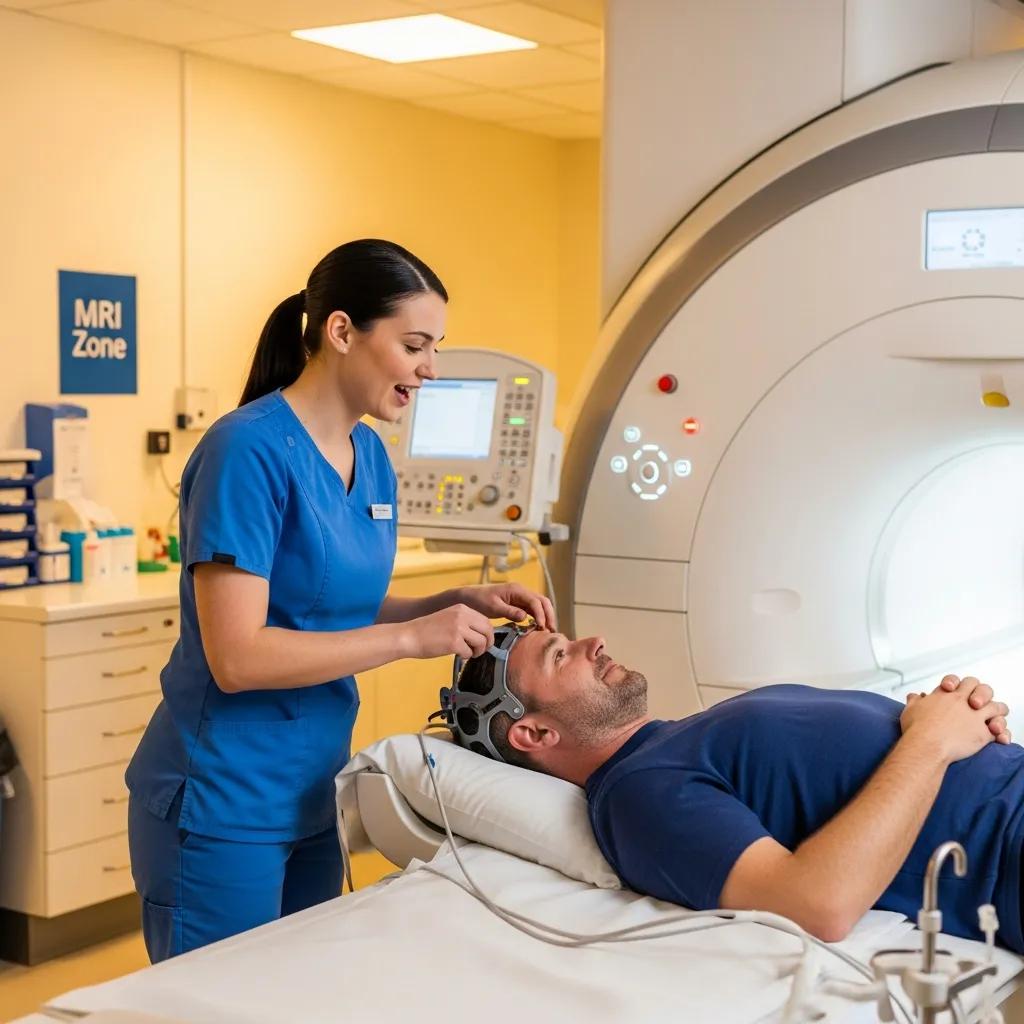
Radiography Bachelor Degree: How to Train as a Diagnostic Radiographer and Build a Career in Medical Imaging
A bachelor’s degree in radiography teaches you to operate diagnostic imaging equipment, apply radiation safety principles and contribute to clinical diagnosis through accurate, patient-focused imaging. This guide explains what a BSc in diagnostic radiography (or related medical imaging degree) covers, how to register to practise in the UK and Australia, what a radiographer does day to day, and the specialisations and career paths available after graduation. Many applicants want a clear, practical route from application to clinical practice — this article lays out module-level topics, registration steps, and examples of how degree training translates into work in modern imaging centres. For local context, Life Medical Imaging Central Coast doesn’t offer degree courses but supports radiography careers by hosting clinical learning opportunities and showing how degree training maps to clinical practice. The clinic also delivers patient-centred imaging services and can help with enquiries about placements or local career information. Read on for curriculum comparisons, step-by-step registration guidance, modality overviews and how technology and workplace settings shape early radiographer careers and patient outcomes.
What Is a Radiography Bachelor Degree and What Does It Involve?
A radiography bachelor degree is an undergraduate healthcare qualification that combines academic units in anatomy, radiation physics and imaging theory with supervised clinical placements to prepare competent diagnostic radiographers. The course balances scientific foundations with hands‑on practice so graduates can produce diagnostic-quality images, protect patient safety and meet regulatory standards. Typical outcomes include technical competence across core modalities, strong communication and patient-care skills, and eligibility for professional registration in the relevant jurisdiction. This section summarises core subjects and timelines, then gives a concise comparison of common degree routes so prospective students can compare duration, clinical hours and final qualifications.
What Subjects and Skills Are Covered in a Radiography Bachelor Degree?
Core academic units give students the knowledge to understand human anatomy, image formation and radiation interactions, while practical classes and simulation labs build technical skills and patient-care competence. Students study radiation physics, cross‑sectional anatomy, image interpretation basics, image processing and research methods, and practise patient positioning, infection control and clinical communication during placements. These units prepare graduates to operate X‑ray, CT and ultrasound equipment safely and to work alongside radiologists and referrers. The practical skills and clinical reasoning gained on placement bridge theory and real-world diagnostic tasks, enabling newly qualified radiographers to contribute to multidisciplinary care from day one.
How Long Does It Take to Complete a Radiography Degree in the UK and Australia?
Full‑time undergraduate radiography programmes usually run three to four years, depending on the country and whether the course includes an honours year or a sandwich (placement) year. In the UK many BSc diagnostic radiography courses are three years with embedded clinical placements, while some integrated honours or extended routes run to four years. In Australia comparable bachelor degrees commonly span three years with required clinical hours. Part‑time, accelerated or bridging pathways are available at some institutions, and additional research projects or intercalated years can extend completion time. Knowing programme length helps applicants plan placement timing and the transition to registration and employment.
Introductory comparison of degree types before a detailed table:
This table shows how degree design affects clinical exposure and career readiness. Prospective students should prioritise programmes with strong placement arrangements to develop the clinical judgement employers expect.
How Do You Become a Radiographer in the UK and Australia?
Becoming a radiographer combines academic study, supervised clinical placements and professional registration with the relevant regulator. The usual route is to meet entry requirements, complete an accredited bachelor programme that mixes theory with clinical practice, then apply for registration to practise legally. Both jurisdictions require supervised clinical hours and ongoing continuing professional development (CPD) after initial registration, so graduates should plan for registration paperwork and early-career CPD. Below is a step‑by‑step overview followed by a targeted comparison of entry and registration requirements for the UK and Australia.
Key steps to become a radiographer:
- Meet academic entry requirements and any prerequisite science subjects for undergraduate courses.
- Complete an accredited BSc in diagnostic radiography (or equivalent) with the required clinical placements.
- Apply for professional registration with the relevant body (HCPC in the UK or the Medical Radiation Practice Board of Australia — MRPBA — in Australia).
- Undertake supervised practice, maintain CPD and pursue specialisations or advanced practice as desired.
These steps form a clear roadmap from applicant to registered practitioner and help candidates structure education and work experience to meet professional standards.
Comparison of entry and registration across the UK and Australia:
This table clarifies how academic entry and clinical exposure link to registration in each country. After graduation, many private clinics and imaging centres host placements and offer graduate roles that ease the move into the workplace.
Clinical placements give students direct exposure to contemporary imaging workflows, equipment and multidisciplinary teamwork. Private providers, including independent radiology centres, commonly host or mentor students during rotations. These workplace placements help consolidate skills and improve employability — many graduates move from placement roles into substantive positions with ongoing supervision and CPD pathways. If you’re seeking placement information or want local guidance on clinical experience, Life Medical Imaging Central Coast may be able to help with placements and career advice for students and recent graduates.
What Is the Role of a Diagnostic Radiographer in Medical Imaging?
A diagnostic radiographer acquires medical images using specialised equipment, ensures radiation safety for patients and staff, and works with radiologists and referrers to support accurate diagnosis and treatment planning. Radiographers pair technical operation of modalities with patient assessment, positioning and clear communication to produce diagnostic-quality images while keeping dose as low as reasonably practicable. Their role also includes quality assurance, image optimisation and participation in multidisciplinary discussions where imaging informs clinical decisions. The lists below outline typical daily duties and the principal imaging modalities radiographers operate in contemporary practice.
Typical daily duties of a diagnostic radiographer:
- Welcoming patients, taking clinical histories and obtaining informed consent so patients know what to expect.
- Positioning patients, operating imaging equipment, and adjusting exposure settings for clear diagnostic images.
- Implementing radiation protection measures, performing QA checks and liaising with radiologists about image adequacy.
- Maintaining accurate records, assisting with interventional procedures when trained, and supporting efficient departmental workflows.
These duties show how radiographer training directly affects patient safety and diagnostic reliability; next we look at the specific imaging modalities radiographers commonly use.
Which Imaging Modalities Do Radiographers Operate?
Radiographers work across a range of modalities including digital X‑ray, computed tomography (CT), ultrasound and specialised services such as DEXA bone densitometry and cardiac imaging — each requires particular skills and safety practices. Digital X‑ray delivers fast, high‑resolution images for many clinical needs, while CT offers cross‑sectional detail; modern centres increasingly use ultra‑low dose CT protocols to reduce exposure. Ultrasound is operator‑dependent and requires manual probe handling and scanning technique, especially in obstetrics, gynaecology and musculoskeletal exams. Advanced modalities and interventional procedures need additional training and credentialing; clinics with a broad service mix expose radiographers to diverse skills that support ongoing professional growth.
What Career Opportunities and Specialisations Are Available After a Radiography Bachelor?
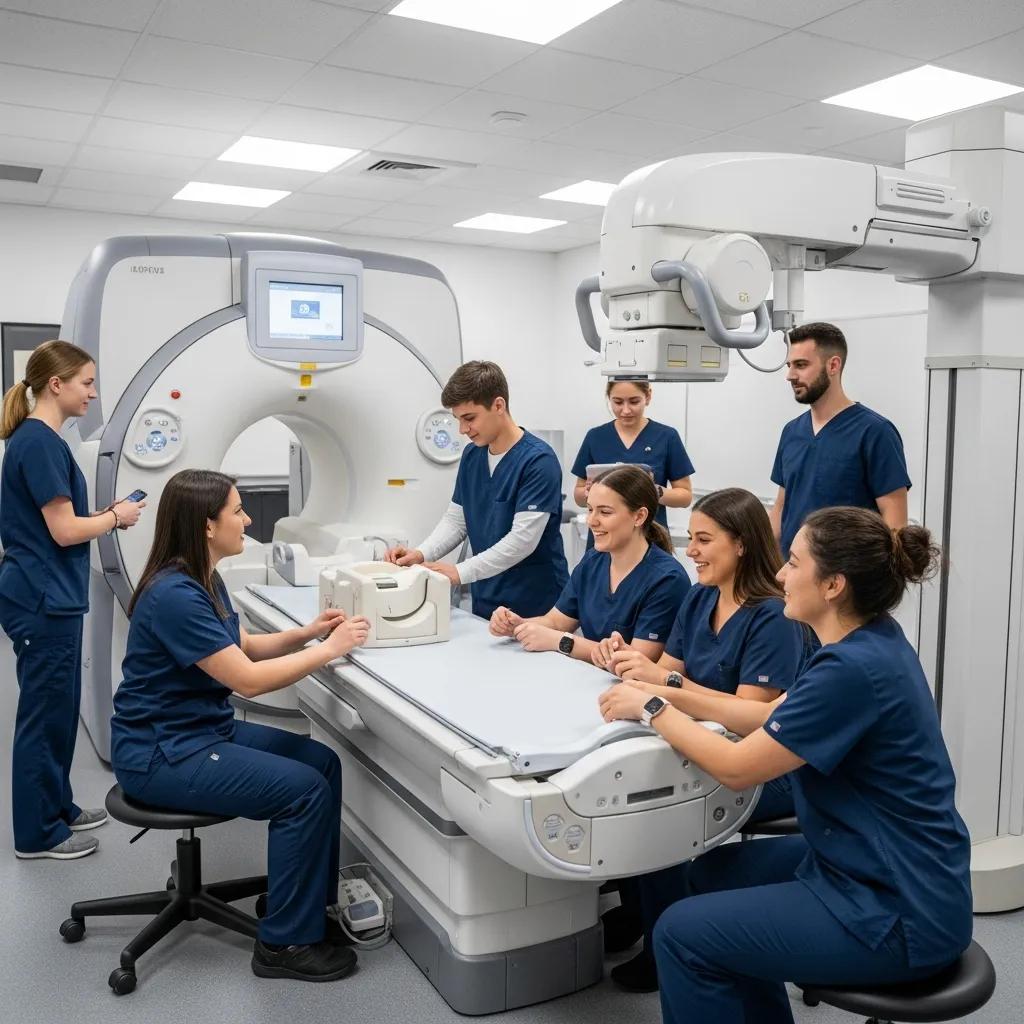
A bachelor in radiography opens pathways into clinical practice, modality specialisations, research, education and leadership roles. Career choices usually depend on further training, CPD and employer requirements. Common specialisms include CT, MRI, ultrasound, paediatric imaging, women’s imaging (mammography and breast ultrasound) and cardiac imaging; each typically requires postgraduate coursework, supervised practice and ongoing CPD. Radiographers work in public hospitals, private imaging clinics, research units or teaching institutions and can progress from practitioner roles to advanced practitioner, consultant radiographer or managerial positions. The table below summarises common specialisations and their typical settings to help you visualise career options.
This table shows how specialisation shapes workplace options and CPD needs, helping graduates plan targeted training for their chosen role.
What Are Common Radiography Specialisations Like Women’s Imaging and Cardiac Imaging?
Women’s imaging focuses on breast health using mammography and breast ultrasound. It requires precise technique, high image quality and sensitive communication for patients undergoing screening or diagnostic tests.
Cardiac imaging uses specialised tools such as cardiac CT or echocardiography and demands detailed knowledge of cardiac anatomy, ECG gating and advanced post‑processing to support cardiology teams.
Both areas improve diagnostic pathways for patients and typically require supervised training, competency assessment and ongoing CPD. Clinics offering these services rely on trained radiographers to deliver high‑quality imaging that directly influences patient care.
How Can Radiographers Progress Their Careers Beyond Practitioner Roles?
Radiographers can pursue postgraduate study in advanced clinical practice, research or education, move into leadership and management, or specialise further to become consultant radiographers with expanded responsibilities. Progression usually combines formal postgraduate study with portfolio development, documented competencies and regular CPD. Experienced radiographers may lead quality assurance programmes, contribute to research on imaging technology, or take on education roles mentoring new clinicians. Thoughtful career planning and employer‑supported CPD help transition practitioners into specialist or leadership positions.
BSc (Hons) Diagnostic Radiography: Shared Placements and Mixed-Level Teaching
A two‑year MSc (pre‑registration) Diagnostic Radiography programme introduced in 2016 shares teaching and placement time with undergraduate cohorts at the same NHS sites. This arrangement created an opportunity to compare experiences between MSc and BSc students. Early findings suggest mixed‑level teaching enriches discussion and that learning together on placement is positive for both groups. The study aims to evaluate shared placement experiences and feed findings back into curriculum development and placement partnerships.
Sharing teaching and clinical placements across academic levels can create valuable learning experiences for undergraduate and postgraduate radiography students.
Why Choose a Radiography Career and How Does It Impact Patient Care?
A career in radiography offers stable employment prospects, technical variety across modalities and the chance to directly influence diagnostic pathways and patient outcomes through accurate imaging and radiation safety. Radiographers make a real difference by producing images that inform clinical decisions and by applying professional judgement during examinations to protect patient safety and comfort.
The growth of technologies — ultra‑low dose CT, digital X‑ray and AI‑assisted workflows — increases diagnostic capability while placing greater emphasis on radiographer skill in image optimisation and dose management. The next sections link training to patient safety and explain how modern technology changes practice.
Why Is Radiographer Training Critical for Accurate Medical Imaging?
Strong education in anatomy, imaging physics and supervised clinical placements ensures radiographers can position patients correctly, choose appropriate imaging parameters and spot technical or clinical issues that could compromise image quality. Competence reduces repeat exposures, improves diagnostic yield and supports safer patient pathways by pairing technical skill with clear clinical communication. Placements develop situational judgement and the ability to escalate concerns to radiologists or referrers when unexpected findings arise. Emphasising practical, hands‑on training during degree programmes protects patient safety and supports service quality.
How Does Advanced Technology Enhance Radiography Practice?
Modern equipment such as ultra‑low dose CT, high‑resolution digital X‑ray and up‑to‑date ultrasound systems improves image clarity while reducing radiation exposure and streamlining workflows. AI‑assisted image reconstruction and decision‑support tools can help with image optimisation and flagging urgent cases, but they rely on skilled operators to use outputs responsibly. Life Medical Imaging Central Coast lists advanced modalities — ultra‑low dose CT, digital X‑ray and a full suite of ultrasound services — that show how technology and operator expertise combine to improve diagnostic accuracy and patient experience. Training in these technologies helps radiographers harness benefits while maintaining strict radiation safety and quality assurance processes.
Advancements in Radiology and Diagnostic Imaging: A Comprehensive Overview
Recent advances across CT, MRI, ultrasound and digital radiology — together with AI, hybrid imaging and emerging fields like radiomics — are reshaping diagnostics and treatment planning. This review highlights how innovation is improving image quality, expanding clinical options and opening new research and practice pathways in radiology.
Ongoing innovation in imaging technology is central to improving diagnostic capabilities and patient outcomes.
How Can Life Medical Imaging Central Coast Support Your Radiography Career and Patient Experience?
Life Medical Imaging Central Coast is an independent radiology clinic offering a wide range of diagnostic imaging services across the Central Coast, Australia. The clinic provides practical context for how degree training applies in modern clinical settings. Services include Ultra‑low Dose CT, Digital X‑ray, Ultrasound (General, Vascular, Musculoskeletal, Obstetric and Gynaecological), Interventional procedures, Paediatric Imaging, Cardiac Imaging, Body Composition DEXA, Bone Mineral Densitometry and Platelet‑Rich Plasma injections — a service mix radiography graduates can expect to encounter in private practice. Our value propositions emphasise comprehensive diagnostic imaging, advanced technology, expert staff, patient‑centred care and easy access across multiple locations and online booking. We can provide information on medical imaging services and assist with appointment bookings or enquiries.
What Is It Like Working as a Radiographer at Life Medical Imaging Central Coast?
Working in a multi‑service independent clinic exposes radiographers to a varied case mix and advanced equipment such as ultra‑low dose CT and diverse ultrasound practice, giving opportunities to broaden modality skills. The clinic culture values teamwork with radiologists and referrers, patient‑centred communication and strong quality assurance processes that reflect competencies developed during degree placements. Staff see how different modalities integrate into diagnostic pathways — from DEXA assessments to interventional procedures — supporting career development and progression into specialist roles. For students and new graduates, private clinics like ours can offer placements, mentorship and employment that complement public hospital experience and ease the move to independent practice.
How Does Life Medical Imaging Ensure High Standards in Diagnostic Imaging Services?
Life Medical Imaging Central Coast maintains standards through investment in advanced, low‑dose equipment, specialist modalities and experienced staff who follow rigorous quality assurance and patient‑centred procedures. Our team works within established radiation safety protocols, performs regular image quality checks and communicates within multidisciplinary pathways to ensure images meet diagnostic needs while protecting patient welfare. Multiple locations and online booking improve access and referral efficiency, and our commitment to advanced technology supports current clinical practice. If you’re interested in placements, careers or arranging imaging services, contact Life Medical Imaging Central Coast for local opportunities and appointments — we aim to provide clear information and help with bookings or enquiries.
Continuing Professional Development for Radiographers: Registration and Skill Maintenance
CPD and regulatory registration are central to maintaining safe, up‑to‑date practice. Research into CPD participation among radiation therapists and diagnostic radiographers highlights barriers such as time, cost and staffing pressures, while underscoring the need to keep skills current as technology and practice evolve.
Ongoing CPD is essential for radiographers to meet registration requirements and adapt to new techniques and technologies.
Developing Practice in Radiography: Evolving Roles and Educational Needs
As imaging capabilities expand, radiographer roles and educational needs have evolved. Research with radiography managers shows extended roles — including procedure and reporting developments — have increased over time, emphasising the importance of supported role development and ongoing education.
Expanding imaging capabilities are driving evolving roles and higher educational demands for radiographers.
Frequently Asked Questions
What are the typical working hours for a diagnostic radiographer?
Most radiographers work full time. Hospital roles often require shift work that covers evenings, weekends and public holidays; private clinics may offer more regular daytime hours and part‑time or casual options. Consider how shift patterns affect your work‑life balance when choosing a career path.
What personal qualities are important for success in radiography?
Successful radiographers combine technical ability with strong communication, attention to detail and empathy. Patient care, problem‑solving and adaptability are important — you’ll need to manage anxious patients, unexpected clinical scenarios and evolving technology.
Are there opportunities for international work as a radiographer?
Yes. Radiographers often find roles overseas, particularly where there is demand for healthcare professionals. Many countries recognise UK and Australian qualifications, but check local registration and visa requirements. International work — including humanitarian or locum roles — can broaden experience and professional networks.
What role does research play in advancing radiography practice?
Research drives improvements in imaging techniques, patient safety and clinical pathways. Radiographers involved in research contribute to evidence‑based practice, refine protocols and influence how imaging is performed. Many programmes encourage student involvement in research projects to foster a culture of continuous improvement.
How can radiographers contribute to patient education and safety?
Radiographers educate patients by explaining procedures, addressing concerns and ensuring safety instructions are followed. Clear communication reduces anxiety and improves cooperation, while adherence to positioning and prep instructions helps achieve diagnostic images with minimal repeat exposures.
What are the benefits of pursuing further education or specialisation in radiography?
Further study and specialisation open up advanced clinical roles, leadership and research opportunities, and can increase earning potential. Specialisms such as MRI, CT or ultrasound allow focused career paths and greater job satisfaction. Continuous learning keeps radiographers current in a rapidly changing field.
Conclusion
Choosing a career in radiography gives you a hands‑on clinical role with a direct impact on patient care through advanced imaging. This guide outlines the study pathways, clinical placements and career options available to aspiring diagnostic radiographers. To move forward, explore accredited programmes and local clinical placements that match your goals. For local advice about placements, careers or imaging services, contact Life Medical Imaging Central Coast — we’re happy to help you take the next step.