


Medical imaging near me on the Central Coast NSW — expert radiology services and how to book
Medical imaging providers are clinics and services that use technologies such as CT, ultrasound, X‑ray and DEXA to see inside the body for diagnosis and treatment planning. This guide helps Central Coast patients and referrers find the right local service. You’ll get a clear explanation of each modality, when one is preferred over another, how to book CT and ultrasound appointments, what to expect with referrals and billing, and how local clinics support referring clinicians. Choosing the correct imaging pathway reduces delays, avoids unnecessary tests and gets answers faster. We include practical preparation checklists, step‑by‑step booking workflows and examples from regional providers to make the process straightforward.
What medical imaging services can I access on the Central Coast?
Across the Central Coast you’ll find a range of diagnostic modalities, each suited to particular clinical questions: CT for fast, detailed cross‑sectional views; ultrasound for real‑time soft tissue and pregnancy imaging; digital X‑ray for bone and chest screening; and DEXA for bone density assessment. The technologies work differently — X‑rays use ionising radiation to image dense structures, CT combines X‑rays and computing to produce slice images, and ultrasound uses sound waves for movement and blood‑flow studies — but all add diagnostic value in specific situations. Matching the clinical question to the modality improves accuracy and patient safety. Below is a concise comparison to help decide which test is commonly recommended.
The table that follows shows which imaging modalities are commonly offered locally, with short notes and further detail in the sections beneath.
Which diagnostic imaging modalities do local providers offer?
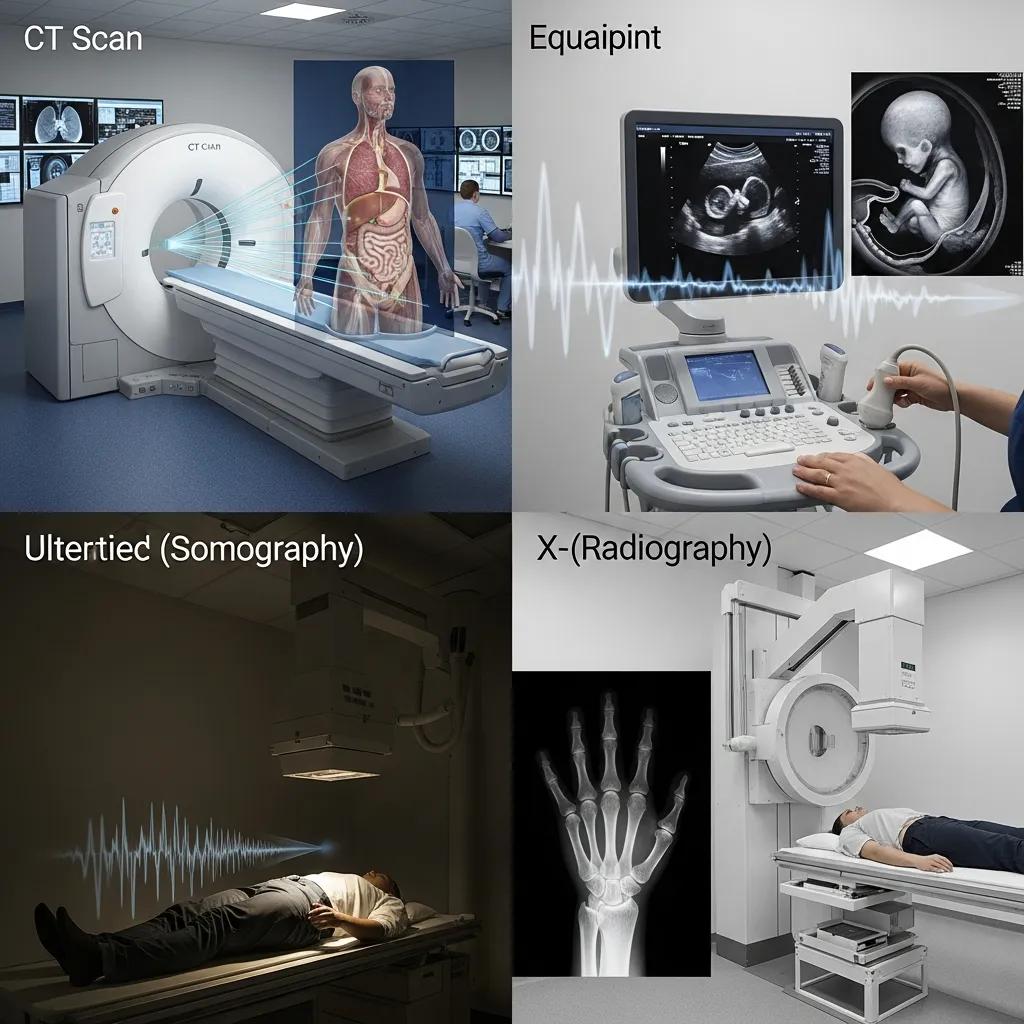
CT scans produce rapid, high‑resolution cross‑sectional images and are often the test of choice for trauma, suspected pulmonary embolism, complex abdominal pain and detailed assessment of bones and soft tissues. Modern CT protocols aim to minimise radiation dose with ultra‑low dose techniques while maintaining diagnostic quality. Choose CT when there’s suspected internal injury, complicated fractures or when a fast 3D view of anatomy is needed. For situations where dynamic imaging or avoidance of ionising radiation matters, ultrasound is usually the preferred alternative.
Ultrasound and X‑ray often complement CT by providing lower‑cost, lower‑risk pathways that are adequate for many common presentations.
Intro to modality comparison table: the table below summarises typical uses, strengths and practical notes for patients and referrers on the Central Coast.
- Many local centres offer image‑guided interventional procedures, such as joint injections and biopsies.
- Women’s imaging typically includes breast ultrasound, obstetric 3D/4D scans and image‑guided breast biopsy when needed.
- Paediatric and dental imaging are available at regional clinics with child‑friendly protocols.
Together, these services show how Central Coast providers meet a wide range of diagnostic needs and direct patients to the most appropriate test.
What specialised imaging is available for women’s health and cardiac care?
Women’s imaging services commonly include breast ultrasound and biopsy, gynaecological scans and advanced obstetric work such as 3D/4D fetal assessment to support detailed anatomy checks. These exams are designed to balance diagnostic detail with patient comfort. Cardiac imaging locally may include cardiac CT and CT angiography, which provide non‑invasive coronary and cardiac anatomy assessment without catheterisation in many cases. Cardiac CT is especially useful for patients with unexplained chest pain or when planning procedures, and input from sub‑specialist radiologists improves report accuracy and clinical relevance.
Clinics with sub‑specialist expertise fold these services into referral pathways so scheduling is efficient and reports are comprehensive, reducing the need for repeat imaging.
A wide range of imaging techniques — from X‑ray to advanced CT and MRI — underpins modern diagnosis and treatment planning.
Medical Imaging Modalities and Applications in Disease Diagnosis: A Comprehensive Review
Medical imaging plays a central role in diagnosis, treatment and monitoring. Non‑invasive techniques such as X‑ray, PET, CT, MRI and ultrasound have improved how clinicians visualise internal structures. Advances in medical image processing support disease detection and analysis, and emerging machine learning approaches seek to enhance accuracy and consistency. This review discusses principles, benefits and limitations of current modalities and highlights future directions.
How can I book CT and ultrasound appointments on the Central Coast?
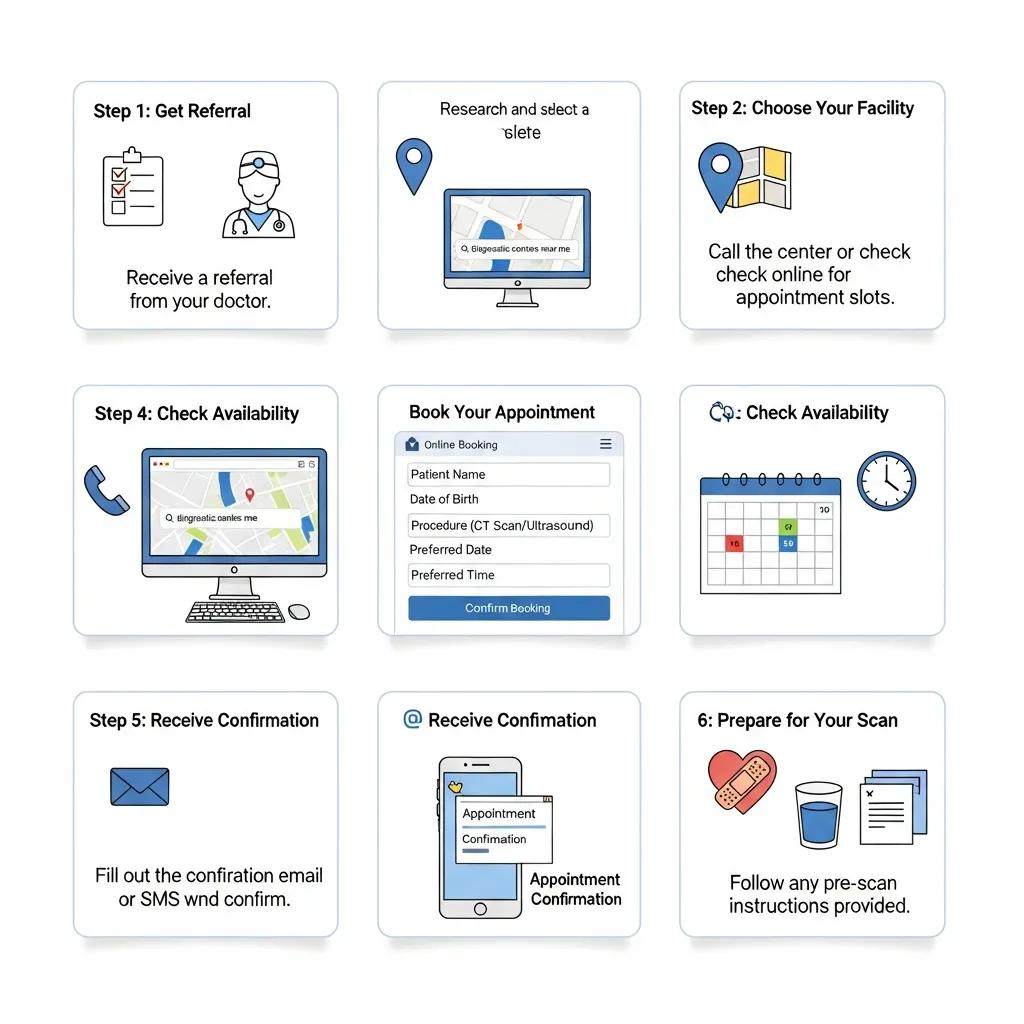
Booking CT and ultrasound locally usually follows a simple sequence: obtain an appropriate referral, select a clinic and submit booking details by phone, online or via eReferral. Clinics triage by clinical urgency — urgent referrals are prioritised while routine requests follow standard waitlists. You’ll generally need the referral, photo ID and any prior imaging for comparison; contrast CTs may require pre‑assessment for kidney function and allergy history. Knowing the steps ahead of time helps you prepare and speeds access to your scan.
Below are practical, numbered steps that show a typical booking workflow and the documents to have ready before you call.
What is the process for booking CT scans and cardiac CT angiography locally?
- Get a referral from your GP or specialist that clearly states the clinical question and urgency.
- Contact the imaging provider by phone, use their online booking tool, or have your clinician submit an eReferral.
- Provide patient details, referral information and note if the scan requires contrast or cardiac gating; the clinic will advise on fasting or medication instructions.
- On the day, complete pre‑scan checks, consent and screening forms; images are reported and results forwarded to your referrer.
Documents to bring or have available when booking:
- A current referral that explains the reason for imaging.
- Photo ID and Medicare or concession cards if claiming rebates.
- Copies of prior imaging or relevant clinical notes for comparison and reporting.
Presenting the correct documents at booking reduces delays and helps ensure an accurate report. eReferral channels also speed up submission for clinicians.
How do ultrasound clinics on the Central Coast manage pregnancy and musculoskeletal imaging?
Ultrasound clinics book obstetric scans by trimester and clinical need — routine dating scans, anatomy scans and elective 3D/4D images are scheduled according to gestation and obstetric history. Musculoskeletal ultrasound appointments target the symptomatic joint or tendon and often include dynamic assessment and image‑guided injections where appropriate; patients should bring prior scans and wear clothing that allows easy exposure of the area. Comfort measures such as private rooms, warmed gel and clear explanations are standard to reduce anxiety. For antenatal patients, clinics explain expected findings and when to follow up with the referring clinician.
These practices ensure ultrasound delivers timely, focused information that supports ongoing care and counselling.
Ultrasound guidance increases diagnostic precision and improves outcomes for musculoskeletal procedures.
Ultrasound‑Guided Musculoskeletal Injections: Diagnostic and Therapeutic Applications
Ultrasound guidance offers real‑time imaging for diagnostic and therapeutic injections without ionising radiation. It provides high spatial resolution, good soft‑tissue contrast and the ability to avoid critical structures. This article reviews common US‑guided injections and practical considerations for clinical practice.
Why choose Life Medical Imaging as your radiology provider on the Central Coast?
Life Medical Imaging Central Coast is an independent radiology practice with multiple local sites and a broad range of services tailored to regional needs. We provide CT (including cardiac CT angiography), digital X‑ray, ultrasound (obstetric, vascular, musculoskeletal), DEXA, interventional procedures, dental and paediatric imaging — all supported by experienced radiologists and sonographers. Accredited quality systems guide our reporting and patient care. Our clinics focus on patient comfort, clear communication and practical referrer support via eReferral and secure image access. If you need booking help, our phone line and online booking options are in place to make appointments easy.
This summary shows how a multi‑site independent clinic can combine breadth of service with local referrer support and patient‑centred care.
What advanced technologies and low‑dose imaging options are available locally?
Central Coast centres use advanced equipment and protocols such as ultra‑low dose CT that reduce radiation while preserving image quality, and high‑resolution ultrasound for better tissue characterisation. Modern CT scanners, digital detectors and integrated PACS enable fast reporting and remote specialist review when needed. Ultra‑low dose CT benefits patients who require serial imaging by lowering cumulative exposure. Quality assurance and accreditation frameworks ensure protocols are validated and image quality is continually monitored.
Knowing these technology benefits helps referrers choose the right test and reassures patients about safety and diagnostic value.
How does Life Medical Imaging ensure patient comfort and expert care?
We promote patient comfort with clear pre‑appointment information, compassionate technologists, private scanning rooms and supports for children and sensitive exams. Specialist radiologists provide reports and timely communication to referring clinicians, backed by secure electronic image access. Staff training and safety protocols — including contrast screening and pregnancy checks — are standard, and urgent findings trigger clear follow‑up pathways. These measures help improve the patient experience and ensure imaging informs clinical decisions effectively.
Patient‑centred processes like these support faster diagnosis and better coordination with referrers, helping you get the right care sooner.
Where are the nearest medical imaging clinics on the Central Coast?
Multiple Central Coast sites offer diagnostic imaging close to home. Key locations include Bateau Bay, Killarney Vale, Umina Beach and Erina — each clinic provides a different mix of services to meet local demand. Knowing which site offers which modality helps patients choose the most appropriate location and helps referrers direct bookings efficiently. The table below summarises clinic locations, main services and booking notes as a quick reference for patients and clinicians.
What services are offered at Bateau Bay, Killarney Vale, Umina Beach and Erina?
Each clinic balances accessibility with specialised capability: Bateau Bay focuses on general CT and ultrasound for routine diagnostic needs; Killarney Vale provides DEXA and targeted musculoskeletal ultrasound; Umina Beach offers cardiac CT and interventional procedures; and Erina delivers breast imaging alongside standard X‑ray. Centralising some advanced services while keeping routine imaging local reduces travel for most patients while preserving access to specialist tests when required.
This site distribution supports efficient patient flow and helps referrers match clinical need to local capability.
How can I find directions and contact details for local imaging providers?
Contact and booking information is available by phone and through online booking portals. For urgent imaging, ask the referrer to mark the referral urgent and call the clinic to discuss triage. Clinic staff can give directions from nearby towns, parking and accessibility guidance, and arrival instructions to reduce waiting. Electronic image access and reporting pathways let referrers retrieve results quickly. If you need extra assistance, tell the booking team about mobility, language or other needs so staff can prepare appropriate support.
Clear contact and access processes make appointments smoother and improve the overall patient experience.
What should I know about referrals, billing and preparing for imaging?
Referrals, billing and preparation affect access to imaging and the quality of reports — understanding these items reduces delays and unexpected costs. A valid referral from an authorised practitioner is generally required for Medicare rebates; clinics accept electronic referrals (eReferral) which speed submission and triage. Billing differs by service and location: many exams attract Medicare rebates but some incur out‑of‑pocket fees depending on concession status and bulk‑billing availability. Always confirm billing at booking. Common preparation steps include fasting for contrast CT, wearing loose clothing for ultrasound, and bringing prior imaging and your referral.
Below is a quick reference to clarify referral and Medicare notes and typical cost guidance for common services.
Do I need a referral for radiology services on the Central Coast?
Yes — most outpatient radiology services require a referral from an authorised practitioner to qualify for Medicare rebates and to provide clinical context for the study. Exceptions include emergency imaging ordered within hospitals and some urgent walk‑in services. Where available, eReferral systems speed up triage and booking by providing the imaging team with the necessary clinical information. Knowing when a referral is needed helps patients access rebates and ensures the chosen study answers the clinical question.
Referral requirements also influence bulk‑billing and Medicare options for specific services.
Are bulk‑billing and Medicare options available for medical imaging near me?
Medicare offers rebates for many diagnostic imaging services when a valid referral is supplied, but bulk‑billing availability varies by clinic, service and location. Some centres bulk‑bill certain groups or specific exams, while others charge a gap for advanced procedures. Check billing when you arrange appointments to avoid surprises. Concession cardholders and particular clinical indications may affect billing. Clinics can provide an estimate based on the requested study and referral details — clear communication at booking improves transparency.
Understanding billing upfront helps patients plan for any payments before attending their scan.
How do local imaging providers support referring doctors and patient outcomes?
Providers support referrers with tools and processes that streamline submissions, reporting and clinical consultation, which speeds diagnosis and improves patient care. Common referrer services include eReferral, rapid reporting pathways for urgent cases, secure image access and direct clinician‑to‑clinician discussion for complex cases. These resources reduce turnaround times, make reports more actionable and help integrate imaging into treatment plans. The result is earlier diagnosis and fewer unnecessary invasive procedures.
The next section outlines practical referrer resources and reporting practices that help clinicians manage patient pathways.
What resources are available for doctors referring patients locally?
Referrers can use electronic referral systems, dedicated phone triage lines and image portals to submit referrals and retrieve reports; these reduce administrative load and speed triage. Reporting turnaround times vary with urgency, but rapid pathways exist for urgent inpatient and outpatient cases. Formal reports are sent to referrers and images are available via PACS when needed. Radiologists are available for case discussion in complex situations, and clinics provide protocol guidance to help choose the most appropriate test. These supports streamline care and foster collaboration between referrers and imaging teams.
Such resources improve diagnostic pathways and enable imaging to guide treatment decisions more effectively.
How does advanced imaging improve diagnosis and treatment on the Central Coast?
Advanced imaging increases lesion detection, spatial resolution and functional detail, which supports earlier and more accurate treatment choices. For example, cardiac CT non‑invasively assesses coronary anatomy, and ultrasound guides targeted injections that can avoid surgery. Emerging trends — AI‑assisted processing and ultra‑low dose techniques — enhance efficiency and safety, helping clinicians make better choices with lower patient risk. These advances lead to earlier disease detection, more precise interventions and fewer invasive tests. As technology and referrer collaboration progress, Central Coast patients benefit from faster, more targeted diagnostic pathways.
This evidence highlights the value of matching clinical questions to the right modality and using local referrer supports.
Frequently Asked Questions
What should I expect during my imaging appointment?
On arrival you’ll complete check‑in where staff verify your referral and documents. Depending on the exam, you may change into a gown and remove metal objects. The technologist will explain the procedure and any preparation — for example, fasting for certain CT scans. After imaging, you’ll be told how and when results will reach your referrer.
Are there any risks associated with medical imaging procedures?
Most imaging tests are safe. CT uses ionising radiation, which carries a small long‑term risk that increases with repeated exposure; clinics use low‑dose protocols where possible. Ultrasound uses sound waves and is considered safe for all patients, including pregnant women. Discuss any concerns with your clinician so benefits and risks can be weighed for your situation.
How can I prepare for my imaging appointment?
Preparation depends on the scan. For CT, you may need to fast if contrast is used. Certain ultrasound exams require a full bladder. Always follow the clinic’s instructions and bring prior imaging and your referral. If you’re unsure about preparation, call the clinic before your appointment.
What should I do if I have concerns about the results of my imaging?
If you’re worried about your results, speak to the doctor who referred you. They can explain findings and next steps, and arrange further imaging or tests if needed. Open communication with your healthcare team helps ensure you get appropriate follow‑up and care.
Can I choose which imaging provider to use?
Yes — you can choose a provider that accepts your referral. Look for a clinic that offers the specific modality you need, is conveniently located and has a good reputation. Discuss any preference with your referrer so they can direct the referral appropriately.
What happens if I need follow‑up imaging?
If follow‑up imaging is required, your referring clinician will usually provide a new referral and book the next appointment. The booking process is similar to the initial scan. Keep your referrer informed about any symptoms or changes so they can determine the urgency and best timing for follow‑up.
Conclusion
Access to expert medical imaging on the Central Coast helps deliver timely, accurate diagnoses that improve patient care. Understanding the available modalities and the booking process equips patients and referrers to make informed choices. Choosing a local provider like Life Medical Imaging gives you access to advanced technology and practical support tailored to regional needs. Explore our services or contact us today to find the right imaging solution for you.