


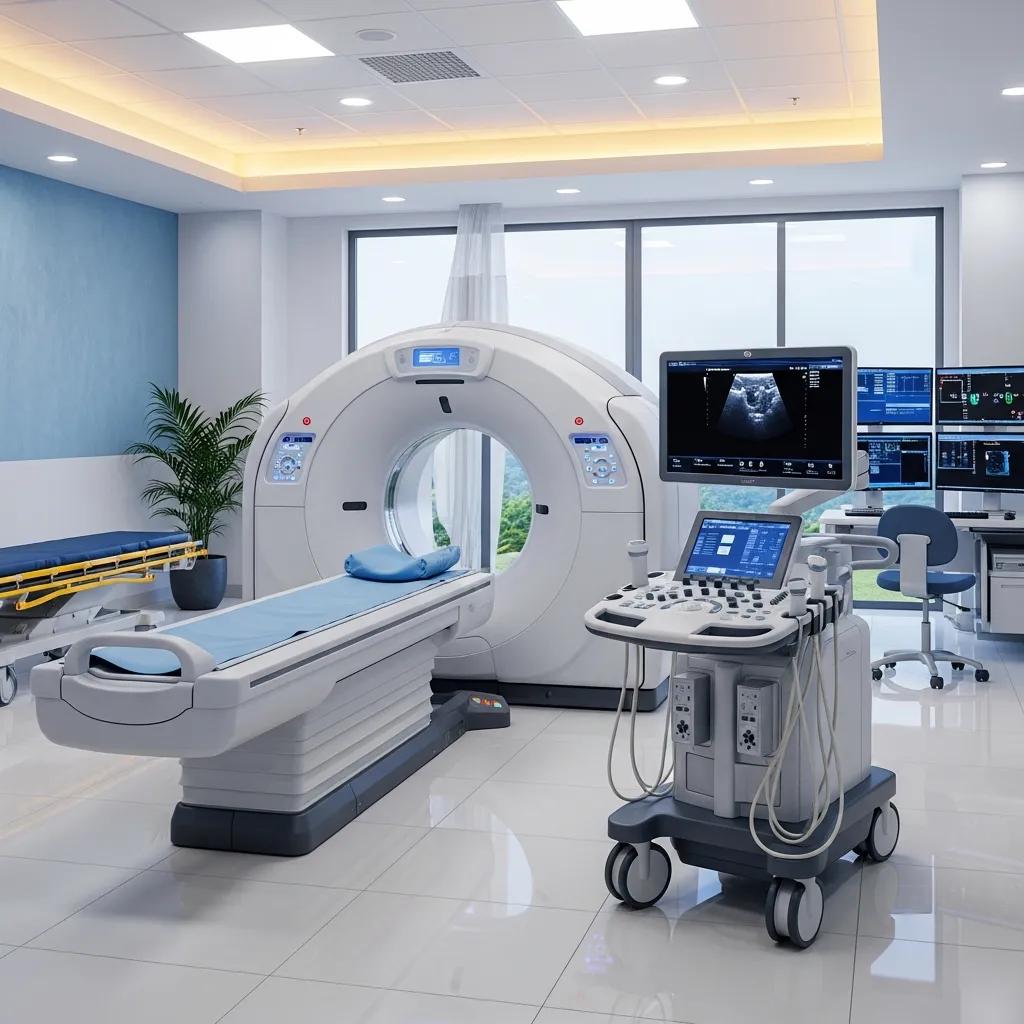
Medical imaging on the Central Coast — find local radiology services and book with ease
Medical imaging — often called diagnostic radiology — uses specialist equipment to produce images that help diagnose, monitor and guide treatment for many conditions across the Central Coast. This guide explains what medical imaging does, which tests are commonly available nearby, and how those services speed up accurate care for patients and referring clinicians. If you’re searching for “radiology Central Coast”, you’ll find clear information here on accreditation, how to prepare for scans, and simple ways to book. Read on to see where accredited services are located, what to expect for CT, ultrasound and X‑ray exams, how imaging shapes follow‑up care, and what patient resources Life Medical Imaging Central Coast provides.
Where can I find accredited medical imaging services near me on the Central Coast?
Accredited medical imaging services bring together regulated quality systems, trained staff and properly calibrated equipment so results are consistent and reliable. NATA accreditation shows a provider meets national standards for technical competence, equipment calibration and quality management — which reduces variability and supports patient safety. Choosing an accredited radiology provider on the Central Coast helps ensure your scans and reports meet clinical standards and are useful for decision‑making. Below we list the local clinic areas we serve and explain what accreditation means for patients booking diagnostic imaging.
What locations does Life Medical Imaging Central Coast serve?
Life Medical Imaging Central Coast operates several convenient clinics across the region, serving suburbs such as Bateau Bay, Killarney Vale, Umina Beach and Erina. Each site offers a tailored mix of services including CT, ultrasound, digital X‑ray, dental imaging and bone density (DEXA) testing; some centres also provide interventional procedures and platelet‑rich plasma injections. Our locations aim to make routine imaging, paediatric studies and women’s health scans easy to access, and they support online booking and eReferral to simplify referrals from clinicians. Being close to a local clinic reduces travel time for patients and gives referrers options when a specialist modality is required.
How does NATA accreditation ensure quality near you?
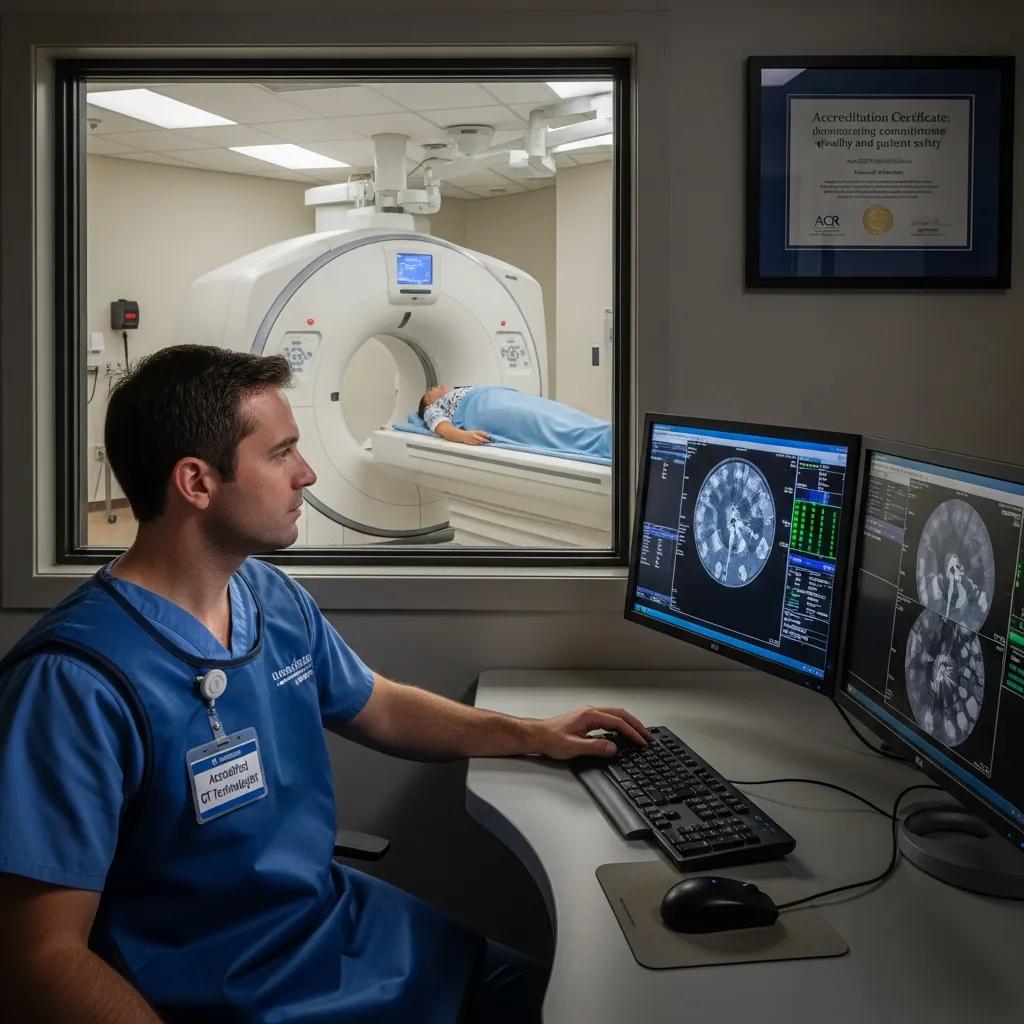
NATA accreditation is an independent check that a provider follows standard procedures for equipment performance, staff competency and quality assurance. Accreditation requires regular calibration of imaging systems, competency assessments for radiographers and documented protocols for reporting and image storage — all of which reduce the chance of repeat scans from technical error. For patients, this means predictable image quality, dependable reports and reassurance that dose‑reduction and safety practices are audited. Knowing a clinic is accredited helps you compare services with confidence.
What types of radiology services are available near me on the Central Coast?
Diagnostic imaging on the Central Coast covers several modalities suited to different clinical questions: CT for fast cross‑sectional and trauma assessment, cardiac CT and CT angiography for coronary and vascular imaging, ultrasound for soft tissue and obstetric care, digital X‑ray for bone and chest checks, dental imaging for oral health planning, DEXA for bone mineral density, plus interventional procedures for targeted treatment and biopsies. Each test has strengths and limitations, so referring clinicians choose the best option for the clinical situation. The table below summarises common services, typical uses and example benefits to help patients and clinicians compare options quickly.
Different imaging tests answer different clinical questions through specific techniques and practical advantages.
This comparison helps you and your clinician pick the most appropriate test for the clinical question at hand.
Which CT scan services can I access locally, including cardiac and angiography?
CT produces cross‑sectional images by rotating an X‑ray source and detector around the body, giving rapid views of internal anatomy and blood vessels. On the Central Coast we offer general CT for trauma and body imaging, cardiac CT for non‑invasive coronary assessment, and CT angiography for detailed vascular mapping. Cardiac CT and CT angiography often require intravenous contrast to highlight vessels, so patients are screened for allergies and kidney function. Modern ultra‑low dose, high‑definition CT systems reduce radiation while keeping image quality high — important for cardiac studies and repeat exams. Clear clinical information on the referral (symptoms, relevant history) helps radiologists choose the right contrast protocol and timing.
What ultrasound options are offered near me, including women’s and paediatric imaging?
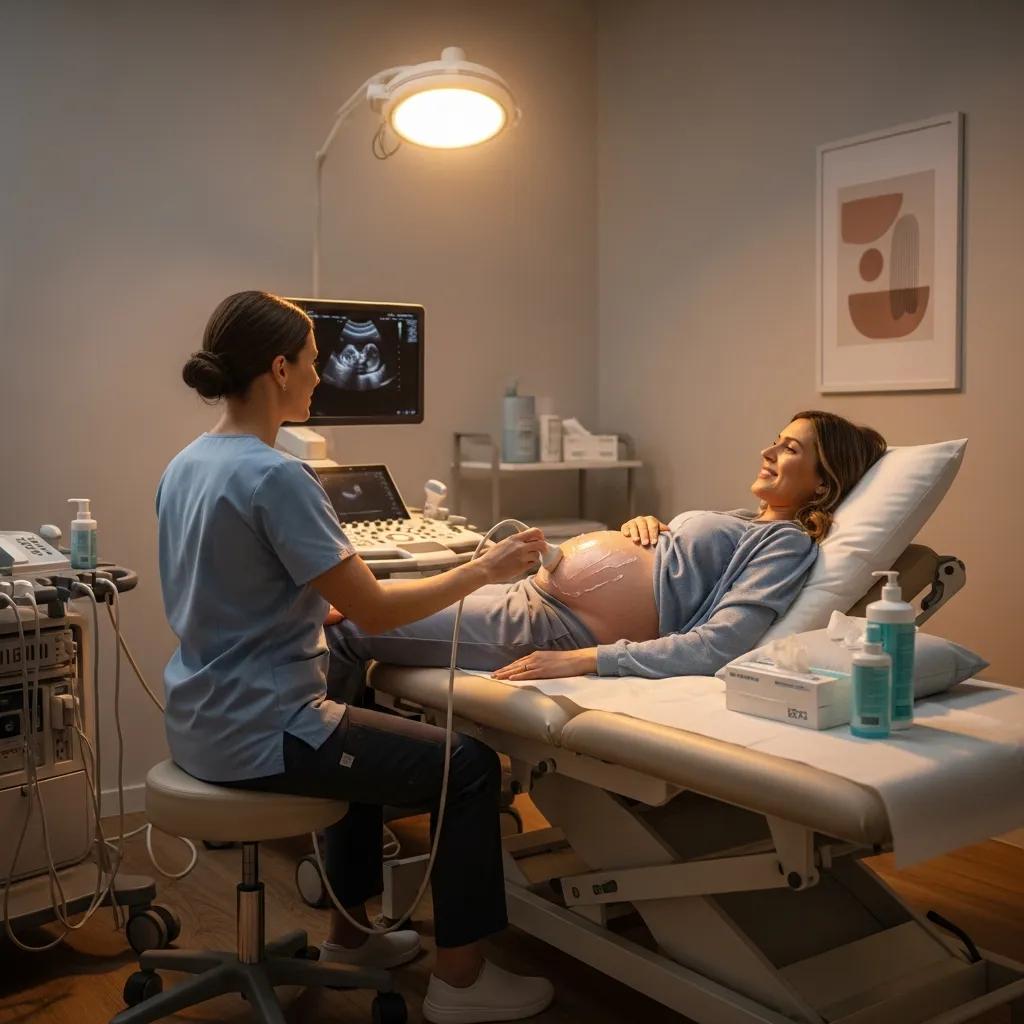
Ultrasound uses high‑frequency sound waves to create real‑time images with no ionising radiation, making it ideal for obstetric monitoring, gynaecological assessment, paediatric studies and soft‑tissue or vascular examinations. Women’s imaging commonly includes fetal growth and anatomy scans and assessments for pelvic pain or fertility investigations. Paediatric imaging uses child‑friendly techniques, appropriately sized probes and shorter study times to reduce distress. Ultrasound also supports musculoskeletal and vascular exams by assessing soft tissues and blood flow in real time. Simple prep differences — for example, a full bladder for some pelvic scans — and the absence of radiation often make ultrasound the preferred first‑line test in these pathways.
How do I prepare for common medical imaging procedures near me?
Good preparation reduces technical problems and improves diagnostic yield for CT, ultrasound, X‑ray and DEXA. Requirements vary by test: fasting for some contrast CTs, bladder preparation for pelvic ultrasound, clothing guidance for X‑ray, and allergy or medication screening if contrast is planned. Clear pre‑appointment instructions help patients arrive ready and lower the chance of repeat exams. Below are practical, modality‑specific checklists and a quick‑reference table to guide patients and referrers before appointments.
The short checklists below cover common steps patients should follow to be ready for imaging appointments.
- CT scans: Follow fasting directions, tell us about allergies and medications, and bring any previous imaging if available.
- Ultrasound: Fill your bladder for pelvic scans, fast for abdominal studies as instructed, and wear loose clothing.
- X‑ray and DEXA: Remove metal or jewellery, wear comfortable layered clothing and bring referral paperwork.
Following these steps helps you arrive prepared, reduces delays and lowers the chance of repeat imaging. The table that follows summarises common procedures and preparations.
Use this table as a quick checklist to help you and your referrer prepare for common imaging appointments and avoid unnecessary repeats.
What should I know before a CT scan appointment in Gosford or nearby?
Your CT appointment begins with clinical screening to confirm the reason for the scan and assess contrast safety. Tell us about allergies, current medications and any kidney problems. You may be asked to fast a few hours before contrast‑enhanced studies and to arrive early for registration and consent; drinking fluids before and after contrast is sometimes recommended to help clear the agent. During the scan, technologists will position you and give instructions (for example, breath holds) to reduce motion. After the exam, a radiologist reports the findings to the referring clinician, and urgent results are communicated promptly. Knowing these steps helps set expectations for timing and follow‑up.
How do I get ready for an ultrasound or X‑ray at Central Coast clinics?
Ultrasound preparation varies — fasting for some abdominal studies and a full bladder for pelvic or obstetric scans — and wearing loose clothing speeds positioning. For X‑rays, remove metal objects and layered clothing to avoid artefacts and improve image quality. Children may be accompanied by a parent for comfort; staff use child‑friendly communication, distraction techniques and short acquisition times to reduce stress. Paediatric dosing protocols protect safety. Bringing previous imaging and your referral helps radiologists compare studies and provide an accurate interpretation, supporting continuity of care between clinics.
How can I book radiology appointments near me on the Central Coast?
You can book imaging appointments on the Central Coast through online booking portals, eReferral systems used by referring doctors, or by contacting clinic reception. Online booking and eReferral streamline admin tasks, cut paperwork and allow secure transfer of referral information and prior images between providers. Online booking is handy for routine outpatient scans, while eReferral carries clinical details directly from the referring clinician, improving triage and scheduling. The steps below outline a typical booking flow and the advantages for patients and referrers.
Booking generally follows a few straightforward steps to reduce delays and ensure the right test and appointment are chosen.
- Obtain a referral: Your GP or specialist provides a referral describing the clinical reason and any prior imaging.
- Choose booking method: Use the online booking system for routine appointments or eReferral for direct clinician‑to‑clinic transfer.
- Provide necessary details: Tell us about allergies, pregnancy status and any special needs when booking.
- Follow pre‑scan instructions: Read and follow the preparation guidance you receive at booking to ensure the best result.
These steps keep the booking process simple; below we outline practical benefits of online booking and eReferral for patients and clinicians.
What are the benefits of online booking and eReferral services near me?
Online booking and eReferral cut administrative friction, speed appointment confirmation and allow secure sharing of referral information and prior imaging, which helps maintain diagnostic continuity. For patients, online booking is convenient and often provides faster access to available slots. For clinicians, eReferral delivers the clinical context and documents radiologists need to plan studies. Digital workflows also support appointment reminders, reduce lost paperwork and let multidisciplinary teams review images remotely — all helping to speed diagnosis and improve convenience.
How do referring doctors facilitate imaging appointments locally?
Referring doctors help by supplying a clear clinical indication, relevant history, examination findings and copies or links to prior imaging where possible. A concise eReferral with the clinical rationale lets radiology staff prioritise urgent cases and choose appropriate contrast protocols. Referrers usually receive radiology reports electronically, and urgent findings are phoned or sent via secure messaging when quick action is needed. A simple referral checklist improves efficiency: include patient identifiers, the clinical question, relevant labs (for contrast), and contact details for result discussion.
What conditions can medical imaging near me diagnose and monitor?
Medical imaging maps to specific clinical problems: CT is excellent for trauma, lung and bone assessment and for vascular mapping with angiography; ultrasound is first line for pregnancy, gynaecological concerns, paediatric abdominal issues and vascular flow studies; DEXA measures bone mineral density for osteoporosis care; and X‑ray remains valuable for initial fracture and chest assessments. Imaging helps diagnose, stage disease, guide interventions and monitor treatment response — often directly influencing decisions such as surgery, medical management changes or specialist referral. The table below links common conditions to the most appropriate imaging test and typical next steps so patients and referrers know what to expect after imaging.
Mapping tests to conditions and next steps gives patients and referrers clarity about likely outcomes and the usual clinical pathway after imaging.
How does CT imaging help detect cardiac and musculoskeletal issues near me?
CT delivers fast, high‑resolution cross‑sectional images of bone, soft tissue and blood vessels, making it useful for acute musculoskeletal trauma and for cardiac assessment using dedicated protocols. Cardiac CT non‑invasively evaluates the coronary arteries, showing calcification and narrowing that guide cardiology review and possible intervention; CT angiography lays out vascular anatomy for surgical or endovascular planning. For musculoskeletal injuries, CT reveals complex fractures, small bone fragments and joint alignment problems that may not show on X‑ray. While CT uses ionising radiation, modern ultra‑low dose techniques balance diagnostic need with reduced exposure.
What role does ultrasound play in women’s and paediatric health near me?
Ultrasound is a safe, radiation‑free tool ideal for monitoring fetal growth, examining the uterus and ovaries, and assessing paediatric conditions without exposing children to ionising radiation. It evaluates issues such as pyloric stenosis, intussusception, congenital hip dysplasia and soft‑tissue infections in children. Its real‑time capability also allows functional tests — for example, fetal heart activity and Doppler blood‑flow assessment — which support immediate clinical decisions. Portable and well tolerated, ultrasound is often the first‑line test in women’s and paediatric pathways and is suitable for ongoing monitoring without cumulative radiation risk.
What patient resources and support are available near me at Life Medical Imaging Central Coast?
Patients benefit from clear preparation instructions, FAQs, patient information sheets and supportive staff who can answer questions and ease anxiety. Life Medical Imaging Central Coast focuses on patient‑centred care across its locations, providing resources that explain what to expect before, during and after imaging and outlining safety measures such as low‑dose protocols and accredited quality systems. Easy‑to‑find resources reduce uncertainty, improve compliance with prep instructions and make the imaging experience smoother for patients.
Where can I find FAQs about radiology services near me?
Frequently asked questions typically cover scan preparation, contrast safety, pregnancy considerations and how results are delivered. Concise FAQ pages explain how to prepare for different scans, whether a child can be accompanied, what to disclose about allergies or medications, and how long reports usually take to reach the referring clinician. These clear answers help patients arrive prepared and reduce appointment‑day delays. If you need more detail, clinic staff are available to discuss individual concerns and make sure you feel comfortable with the planned test.
How does Life Medical Imaging ensure patient comfort and safety near me?
Comfort and safety are supported by dose‑reduction strategies, child‑friendly approaches, trained technologists and adherence to accreditation standards. Low‑dose imaging technology lowers radiation while keeping diagnostic quality high, and staff training emphasises clear, compassionate communication during procedures to reduce anxiety. Infection control, privacy and careful contrast screening are all part of our safety protocols, and accreditation audits confirm these systems are operating effectively. Together, these measures give patients confidence that clinical and operational safeguards are in place during imaging.
- Patient information resources: Clear preparation notes and procedure explanations to reduce worry.
- Comfort measures: Child‑friendly techniques and staff support to help you feel at ease.
- Quality assurance: Accreditation and dose‑reduction protocols that promote accurate, safe imaging.
These elements combine to create a supportive environment focused on patient experience and dependable diagnostic outcomes.
Frequently Asked Questions
What should I expect during my first visit to a medical imaging facility?
On your first visit you’ll complete registration and provide a brief medical history. A staff member will explain the procedure, any preparation steps and answer your questions. You may receive instructions such as fasting or wearing loose clothing. Our team aims to make you comfortable and to guide you through every stage of the appointment.
Are there any risks associated with medical imaging procedures?
Most imaging is safe. Tests that use ionising radiation — like CT and X‑ray — carry a small lifetime risk, so we use low‑dose protocols wherever possible. Ultrasound involves no ionising radiation and is widely used in pregnancy. If you have concerns, speak to your referring clinician or our staff before the procedure so we can discuss risks and benefits specific to your situation.
How long does it typically take to receive results from my imaging?
Report turnaround varies by study and clinical urgency. In routine cases radiologists generally aim to report within 24–48 hours. Urgent findings are communicated to the referring clinician more quickly. Your referring doctor will discuss the results with you and explain any next steps. If you haven’t heard back in the expected timeframe, contact your referrer for an update.
Can I bring someone with me to my imaging appointment?
Yes — you can usually bring a support person. For safety reasons, they may not be allowed inside the scan room during certain procedures (for example, CT or X‑ray). Check with the clinic ahead of time if you plan to bring someone, especially for paediatric appointments where a parent or guardian is often encouraged to be present.
What should I do if I have a medical condition that may affect my imaging?
If you have allergies (especially to contrast), kidney problems or other medical conditions, tell us when booking and on arrival. This information helps the team take precautions, choose alternative tests if needed, or adjust protocols to keep you safe. Always disclose relevant medical history and current medications before your scan.
Are there any costs associated with medical imaging that I should be aware of?
Costs vary depending on your Medicare or private health cover, the procedure and the clinic. Many diagnostic tests attract Medicare rebates, but you may have out‑of‑pocket expenses such as gap fees. Check with your insurer and the clinic before your appointment to understand likely costs. Some centres offer payment plans or financial advice if required.
Conclusion
Accessing accredited medical imaging on the Central Coast means dependable diagnostics that support timely, effective care. Knowing the different tests available and how to prepare helps you get the most from your appointment. If you need imaging, explore local options and book a time that suits you — Life Medical Imaging Central Coast is here to support your diagnostic journey.