Understanding Medical Imaging: Types and Techniques
Medical imaging encompasses various techniques used to visualize the internal structures of the body for diagnostic purposes. Each imaging modality serves specific clinical needs, ranging from X-rays for bone fractures to MRI for soft tissue evaluation.
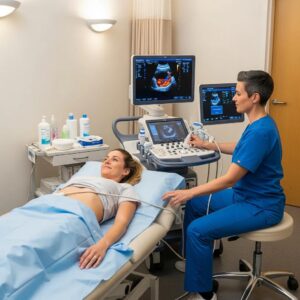
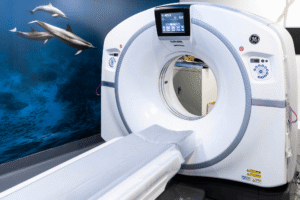
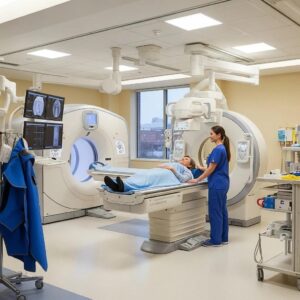
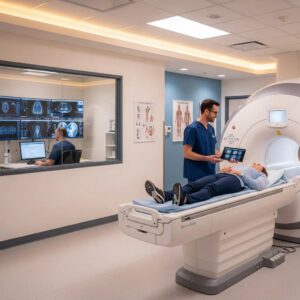
Common types of medical imaging include X-rays, CT scans, MRIs, and ultrasounds. For instance, a CT scan provides detailed cross-sectional images, making it invaluable for assessing complex conditions, while ultrasounds are frequently used in obstetrics to monitor fetal development.
How to Prepare for Your Medical Imaging Appointment
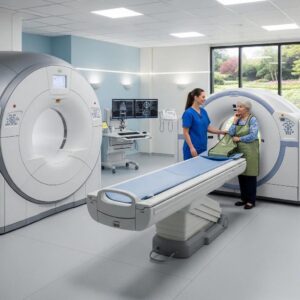
Preparation for medical imaging varies by procedure but is crucial for accurate results. Patients may need to follow specific guidelines, such as fasting before a CT scan or wearing comfortable clothing for an MRI.
For example, when preparing for a CT scan, patients are often advised to avoid eating for several hours prior to the appointment. Additionally, informing the technician about any medications or allergies is essential to ensure safety and accuracy during the imaging process.
Common Questions About Medical Imaging Procedures
Patients frequently have questions regarding the safety, duration, and purpose of various medical imaging procedures. Understanding these aspects can alleviate anxiety and help individuals make informed decisions about their health.
For instance, many patients wonder about the radiation exposure associated with CT scans. While it is true that CT scans involve radiation, the benefits of obtaining accurate diagnostic information often outweigh the risks, especially when performed under appropriate medical guidance.
Accessing Medical Imaging Services: A Guide for Patients
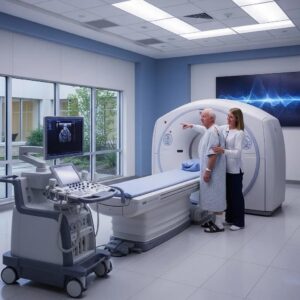
Accessing medical imaging services is a vital step in the healthcare journey. Patients should be aware of how to book appointments, what to expect during their visits, and how to obtain their results efficiently.
To book an appointment, patients can typically contact their healthcare provider or directly reach out to imaging centers like Life Medical Imaging. It’s also important to understand the referral process, as many imaging procedures require a doctor's order to initiate the service.
Understanding Medical Imaging: Types and Techniques
Medical imaging encompasses various techniques used to visualize the internal structures of the body for diagnostic purposes. Each imaging modality serves specific clinical needs, ranging from X-rays for bone fractures to MRI for soft tissue evaluation.
Common types of medical imaging include X-rays, CT scans, MRIs, and ultrasounds. For instance, a CT scan provides detailed cross-sectional images, making it invaluable for assessing complex conditions, while ultrasounds are frequently used in obstetrics to monitor fetal development.
How to Prepare for Your Medical Imaging Appointment
Preparation for medical imaging varies by procedure but is crucial for accurate results. Patients may need to follow specific guidelines, such as fasting before a CT scan or wearing comfortable clothing for an MRI.
For example, when preparing for a CT scan, patients are often advised to avoid eating for several hours prior to the appointment. Additionally, informing the technician about any medications or allergies is essential to ensure safety and accuracy during the imaging process.
Common Questions About Medical Imaging Procedures
Patients frequently have questions regarding the safety, duration, and purpose of various medical imaging procedures. Understanding these aspects can alleviate anxiety and help individuals make informed decisions about their health.
For instance, many patients wonder about the radiation exposure associated with CT scans. While it is true that CT scans involve radiation, the benefits of obtaining accurate diagnostic information often outweigh the risks, especially when performed under appropriate medical guidance.
Accessing Medical Imaging Services: A Guide for Patients
Accessing medical imaging services is a vital step in the healthcare journey. Patients should be aware of how to book appointments, what to expect during their visits, and how to obtain their results efficiently.
To book an appointment, patients can typically contact their healthcare provider or directly reach out to imaging centers like Life Medical Imaging. It’s also important to understand the referral process, as many imaging procedures require a doctor's order to initiate the service.