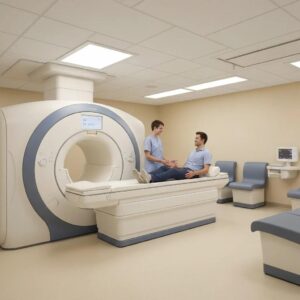
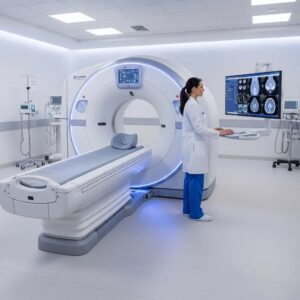
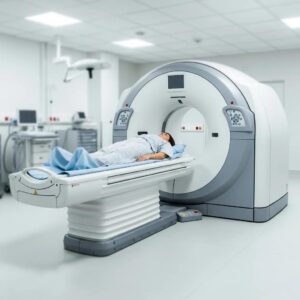
Medical imaging encompasses a variety of techniques that allow healthcare providers to visualize the internal structures of the body. These techniques include X-rays, CT scans, ultrasounds, and MRIs, each serving unique purposes in diagnosis and treatment planning.
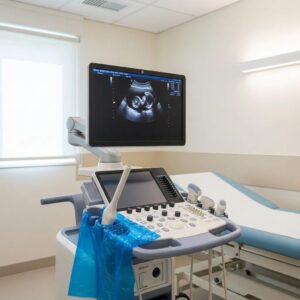
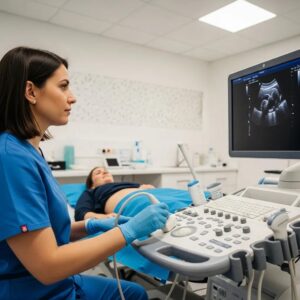
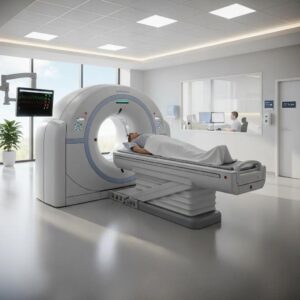
For instance, X-rays are commonly used to detect bone fractures, while CT scans provide detailed cross-sectional images of organs, making them invaluable for diagnosing conditions like tumors or internal bleeding. Ultrasounds, on the other hand, are often utilized during pregnancy to monitor fetal development, showcasing the versatility of medical imaging in patient care.
Preparing for Your Imaging Appointment
Preparation for a medical imaging appointment can vary significantly depending on the type of procedure being performed. Patients are often advised to follow specific guidelines to ensure optimal results and safety during the imaging process.
For example, patients scheduled for a CT scan may need to refrain from eating or drinking for several hours prior to the appointment, while those undergoing an ultrasound might be instructed to drink water beforehand to fill the bladder. Understanding these requirements helps reduce anxiety and ensures a smooth imaging experience.
Common Questions About Medical Imaging
Patients often have questions regarding the safety, process, and implications of medical imaging procedures. Addressing these queries is crucial for alleviating concerns and enhancing patient understanding.
Common questions include inquiries about radiation exposure from X-rays and CT scans, the necessity of contrast agents, and the duration of various imaging procedures. Providing clear, accurate answers helps patients make informed decisions about their healthcare and fosters trust in medical imaging services.
Benefits of Early Detection Through Imaging
Early detection of health issues through medical imaging can significantly improve treatment outcomes and patient prognosis. Regular imaging can identify conditions at their nascent stages, allowing for timely intervention.
For example, mammograms are essential for early breast cancer detection, while routine ultrasounds can reveal abnormalities in pregnancy. By emphasizing the importance of early imaging, patients are encouraged to prioritize preventive healthcare measures and screenings.
Understanding Medical Imaging Techniques
Medical imaging encompasses a variety of techniques that allow healthcare providers to visualize the internal structures of the body. These techniques include X-rays, CT scans, ultrasounds, and MRIs, each serving unique purposes in diagnosis and treatment planning.
For instance, X-rays are commonly used to detect bone fractures, while CT scans provide detailed cross-sectional images of organs, making them invaluable for diagnosing conditions like tumors or internal bleeding. Ultrasounds, on the other hand, are often utilized during pregnancy to monitor fetal development, showcasing the versatility of medical imaging in patient care.
Preparing for Your Imaging Appointment
Preparation for a medical imaging appointment can vary significantly depending on the type of procedure being performed. Patients are often advised to follow specific guidelines to ensure optimal results and safety during the imaging process.
For example, patients scheduled for a CT scan may need to refrain from eating or drinking for several hours prior to the appointment, while those undergoing an ultrasound might be instructed to drink water beforehand to fill the bladder. Understanding these requirements helps reduce anxiety and ensures a smooth imaging experience.
Common Questions About Medical Imaging
Patients often have questions regarding the safety, process, and implications of medical imaging procedures. Addressing these queries is crucial for alleviating concerns and enhancing patient understanding.
Common questions include inquiries about radiation exposure from X-rays and CT scans, the necessity of contrast agents, and the duration of various imaging procedures. Providing clear, accurate answers helps patients make informed decisions about their healthcare and fosters trust in medical imaging services.
Benefits of Early Detection Through Imaging
Early detection of health issues through medical imaging can significantly improve treatment outcomes and patient prognosis. Regular imaging can identify conditions at their nascent stages, allowing for timely intervention.
For example, mammograms are essential for early breast cancer detection, while routine ultrasounds can reveal abnormalities in pregnancy. By emphasizing the importance of early imaging, patients are encouraged to prioritize preventive healthcare measures and screenings.