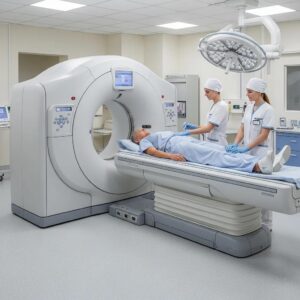
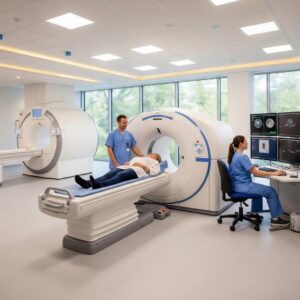
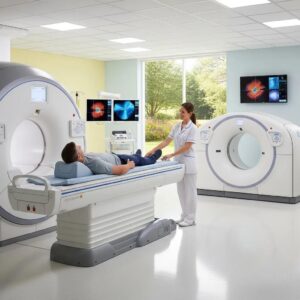
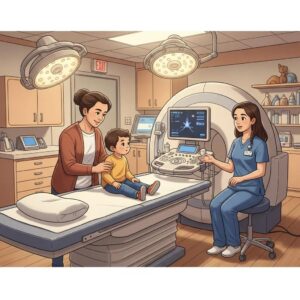
Diagnostic imaging services are crucial for accurate diagnosis and treatment planning in modern healthcare. These services encompass various techniques, including X-rays, MRIs, and ultrasounds, each serving specific purposes in evaluating a patient's condition.
For instance, X-rays are commonly used to identify fractures and infections, while MRIs provide detailed images of soft tissues, making them essential for diagnosing neurological disorders. Ultrasounds, on the other hand, are widely utilized in obstetrics to monitor fetal health and development.
Preparing for Your Imaging Appointment
Preparation for an imaging appointment can vary depending on the type of procedure you are scheduled for. Understanding the requirements ahead of time can help ensure a smooth experience and accurate results.
For example, patients undergoing an MRI may need to avoid eating or drinking for a few hours prior to the scan, while those scheduled for a CT scan may require hydration and specific dietary restrictions. It's essential to follow the instructions provided by your healthcare provider to optimize the imaging process.
Safety Measures in Medical Imaging
Safety is a top priority in medical imaging, with stringent protocols in place to protect patients from unnecessary exposure to radiation. Understanding these safety measures can help alleviate concerns about the procedures.
For instance, modern imaging technologies, such as low-dose CT scans, significantly reduce radiation exposure while maintaining high-quality images. Additionally, radiologists are trained to assess the benefits and risks of each imaging procedure to ensure patient safety is upheld throughout the diagnostic process.
Advancements in Imaging Technology
The field of medical imaging is continually evolving, with advancements that enhance diagnostic capabilities and patient comfort. Staying informed about these innovations can provide insights into the future of healthcare.
Recent developments, such as the introduction of 3D imaging and artificial intelligence in radiology, are revolutionizing how diagnoses are made. These technologies not only improve accuracy but also streamline workflows in medical facilities, ultimately leading to better patient outcomes.
Understanding Diagnostic Imaging Services
Diagnostic imaging services are crucial for accurate diagnosis and treatment planning in modern healthcare. These services encompass various techniques, including X-rays, MRIs, and ultrasounds, each serving specific purposes in evaluating a patient's condition.
For instance, X-rays are commonly used to identify fractures and infections, while MRIs provide detailed images of soft tissues, making them essential for diagnosing neurological disorders. Ultrasounds, on the other hand, are widely utilized in obstetrics to monitor fetal health and development.
Preparing for Your Imaging Appointment
Preparation for an imaging appointment can vary depending on the type of procedure you are scheduled for. Understanding the requirements ahead of time can help ensure a smooth experience and accurate results.
For example, patients undergoing an MRI may need to avoid eating or drinking for a few hours prior to the scan, while those scheduled for a CT scan may require hydration and specific dietary restrictions. It's essential to follow the instructions provided by your healthcare provider to optimize the imaging process.
Safety Measures in Medical Imaging
Safety is a top priority in medical imaging, with stringent protocols in place to protect patients from unnecessary exposure to radiation. Understanding these safety measures can help alleviate concerns about the procedures.
For instance, modern imaging technologies, such as low-dose CT scans, significantly reduce radiation exposure while maintaining high-quality images. Additionally, radiologists are trained to assess the benefits and risks of each imaging procedure to ensure patient safety is upheld throughout the diagnostic process.
Advancements in Imaging Technology
The field of medical imaging is continually evolving, with advancements that enhance diagnostic capabilities and patient comfort. Staying informed about these innovations can provide insights into the future of healthcare.
Recent developments, such as the introduction of 3D imaging and artificial intelligence in radiology, are revolutionizing how diagnoses are made. These technologies not only improve accuracy but also streamline workflows in medical facilities, ultimately leading to better patient outcomes.