Understanding Medical Imaging: A Comprehensive Overview
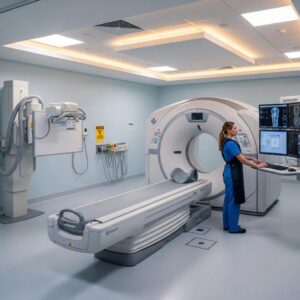
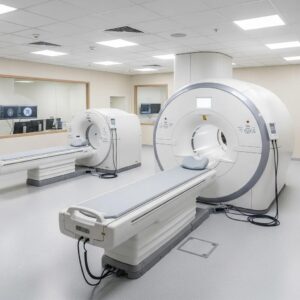
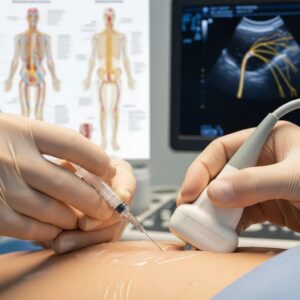
Medical imaging is a vital component of modern healthcare, providing critical insights into the human body through various techniques. This overview covers the fundamental types of medical imaging, including X-rays, CT scans, MRIs, and ultrasounds, explaining their unique functions and applications in diagnosing and monitoring health conditions.
For instance, X-rays are commonly used for examining bone fractures, while CT scans offer detailed cross-sectional images of organs and tissues. Understanding these modalities helps patients and healthcare providers make informed decisions about diagnostic options and appropriate imaging techniques for specific medical concerns.
Preparing for Your Imaging Appointment: Essential Tips
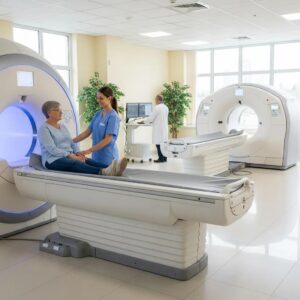
Preparation for a medical imaging appointment can significantly impact the quality of the results. Patients are often advised to follow specific guidelines, such as fasting or wearing comfortable clothing, to ensure optimal imaging outcomes. This section provides a detailed checklist of preparation steps tailored to different imaging procedures.
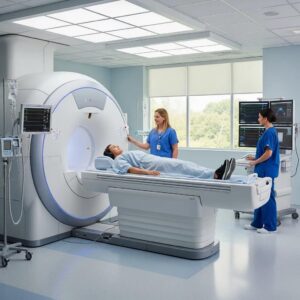
For example, patients scheduled for an MRI may need to remove metal objects and inform the technician of any implanted devices, while those undergoing ultrasounds may be instructed to drink water beforehand to fill the bladder. Adhering to these preparations can enhance the accuracy of the imaging results and streamline the appointment process.
Career Paths in Medical Imaging: Opportunities and Education
The field of medical imaging offers a variety of career paths, including roles as radiologic technologists, MRI technologists, and ultrasound technicians. This section explores the educational requirements, certifications, and skills necessary for success in these roles, providing insights for those considering a career in this dynamic field.
For instance, aspiring radiologic technologists typically need to complete an accredited associate degree program and obtain licensure. Additionally, continuing education and specialization can lead to advanced positions and increased job opportunities within healthcare facilities, emphasizing the importance of ongoing professional development in the medical imaging sector.
Advancements in Medical Imaging Technology: What to Expect
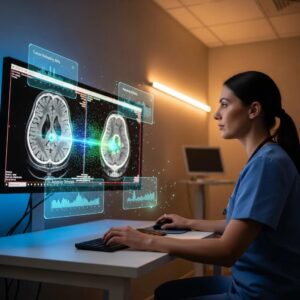
The medical imaging landscape is continually evolving, with technological advancements enhancing diagnostic capabilities and patient care. This section discusses recent innovations in imaging technology, such as 3D imaging, artificial intelligence integration, and low-dose radiation techniques, and their implications for patient outcomes.
For example, 3D mammography has improved breast cancer detection rates, while AI algorithms assist radiologists in interpreting images more accurately and efficiently. Staying informed about these advancements not only benefits healthcare professionals but also empowers patients to understand the latest options available for their diagnostic needs.
Understanding Medical Imaging: A Comprehensive Overview
Medical imaging is a vital component of modern healthcare, providing critical insights into the human body through various techniques. This overview covers the fundamental types of medical imaging, including X-rays, CT scans, MRIs, and ultrasounds, explaining their unique functions and applications in diagnosing and monitoring health conditions.
For instance, X-rays are commonly used for examining bone fractures, while CT scans offer detailed cross-sectional images of organs and tissues. Understanding these modalities helps patients and healthcare providers make informed decisions about diagnostic options and appropriate imaging techniques for specific medical concerns.
Preparing for Your Imaging Appointment: Essential Tips
Preparation for a medical imaging appointment can significantly impact the quality of the results. Patients are often advised to follow specific guidelines, such as fasting or wearing comfortable clothing, to ensure optimal imaging outcomes. This section provides a detailed checklist of preparation steps tailored to different imaging procedures.
For example, patients scheduled for an MRI may need to remove metal objects and inform the technician of any implanted devices, while those undergoing ultrasounds may be instructed to drink water beforehand to fill the bladder. Adhering to these preparations can enhance the accuracy of the imaging results and streamline the appointment process.
Career Paths in Medical Imaging: Opportunities and Education
The field of medical imaging offers a variety of career paths, including roles as radiologic technologists, MRI technologists, and ultrasound technicians. This section explores the educational requirements, certifications, and skills necessary for success in these roles, providing insights for those considering a career in this dynamic field.
For instance, aspiring radiologic technologists typically need to complete an accredited associate degree program and obtain licensure. Additionally, continuing education and specialization can lead to advanced positions and increased job opportunities within healthcare facilities, emphasizing the importance of ongoing professional development in the medical imaging sector.
Advancements in Medical Imaging Technology: What to Expect
The medical imaging landscape is continually evolving, with technological advancements enhancing diagnostic capabilities and patient care. This section discusses recent innovations in imaging technology, such as 3D imaging, artificial intelligence integration, and low-dose radiation techniques, and their implications for patient outcomes.
For example, 3D mammography has improved breast cancer detection rates, while AI algorithms assist radiologists in interpreting images more accurately and efficiently. Staying informed about these advancements not only benefits healthcare professionals but also empowers patients to understand the latest options available for their diagnostic needs.