


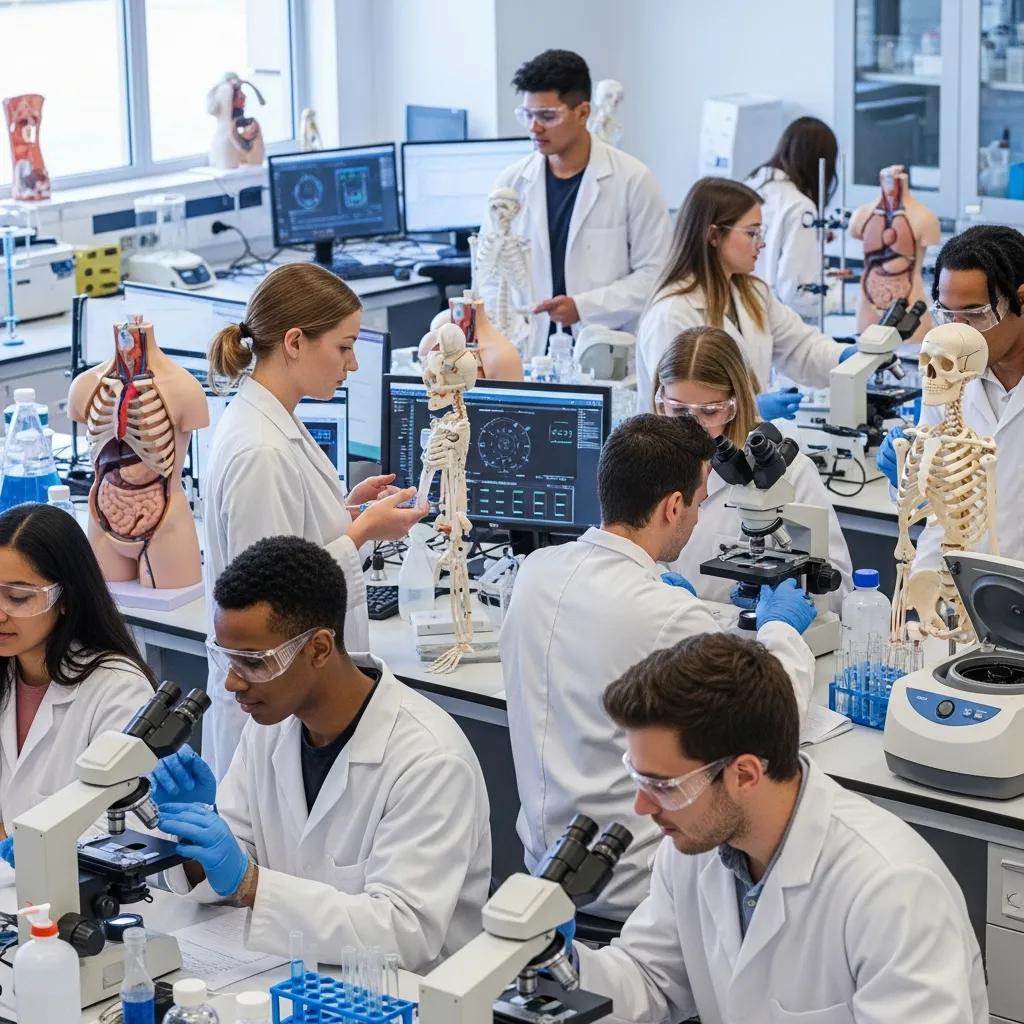
Bachelor of Medical Science — Degree overview, entry routes, career paths and course content
A Bachelor of Medical Science gives you core biomedical knowledge and hands-on research skills that directly support clinical and diagnostic roles — including work alongside medical imaging teams. This guide explains what the degree covers, typical entry requirements and how core subjects map to practical imaging skills used with CT, MRI and ultrasound. If you’re looking for a clear pathway from undergraduate study to clinical exposure, you’ll find module-to-skill mappings, realistic next steps for careers in radiography, sonography, medical physics and imaging research, plus local employer contacts to help with clinical placements and early-career opportunities.
What is a Bachelor of Medical Science?
A Bachelor of Medical Science is an undergraduate degree that blends core biological and biomedical subjects with research training and laboratory experience to prepare graduates for roles in healthcare, research and allied health. The course covers human biology, laboratory methods and data interpretation so graduates can apply scientific reasoning in clinical and diagnostic settings. Common outcomes include scientific literacy, research aptitude and preparation for postgraduate or professional training — making the degree a solid foundation for diagnostic imaging careers that rely on anatomy, physiology and evidence-based practice.
What subjects and disciplines are covered in a medical science degree?
Programs typically include anatomy, physiology, biochemistry, pharmacology, genetics and research methods — each designed to be useful in clinical contexts. Anatomy teaches the structural relationships needed to interpret CT and MRI images; physiology explains function and dysfunction relevant to functional imaging and contrast protocols. Biochemistry and pharmacology clarify how contrast agents and metabolic markers behave on scans. Research methods build skills in experimental design, statistics and critical appraisal, all valuable for imaging quality assurance and clinical research.
How long does it take to complete a Bachelor of Medical Science?
Most Bachelor of Medical Science degrees are three years full-time; many universities offer an additional honours year for focused research and stronger pathways into postgraduate study. Part-time, online and accelerated options exist — useful for students balancing work or placements — but program length should be weighed against how much hands-on laboratory or clinical exposure is offered. An honours year or embedded research project often improves readiness for imaging research roles and competitive postgraduate programs in allied health or medical physics.
What are the entry requirements for a Bachelor of Medical Science?
Admission usually requires completion of secondary schooling with a focus on science subjects, or equivalent tertiary qualifications and bridging pathways for mature-age applicants. Admissions panels often favour backgrounds in biology and chemistry and look for sufficient quantitative skills for statistics and lab work. Alternative routes — enabling courses, diploma transfers or documented clinical experience — give non-traditional applicants flexibility. Knowing typical entry expectations helps you plan prerequisite study and seek the right work experience before applying.
Which academic qualifications and grades are needed?
Common prerequisites include senior secondary credits in biology and/or chemistry plus a competitive overall score or ATAR equivalent; exact thresholds vary by institution. Some universities publish entry bands rather than fixed cut-offs and may offer conditional entry pending completion of bridging units. International applicants should check how prior qualifications are assessed locally. If you’re unsure, consult each program’s admissions page and consider enabling or foundation pathways where needed.
Are there specific skills or experiences required for entry?
Apart from grades, programs value practical lab skills, clear communication and critical thinking — attributes you can demonstrate through volunteering, lab assistant roles or early research placements. Hands-on experience in healthcare settings, such as clinic volunteering or work in biomedical labs, strengthens applications by showing familiarity with clinical environments and patient-focused practice. Short courses in lab safety, statistics or supervised placements also build useful skills and speed up readiness for imaging-related roles after graduation.
What does the medical science course content include?
Typical curricula combine core scientific disciplines with laboratory practice, statistics and research projects so graduates can support clinical services and contribute to diagnostic innovation. Core subjects cover the biological basis of disease, laboratory methods and data analysis, while electives let you specialise in biomedical topics aligned with imaging technologies. Practical units and supervised projects reinforce accurate data collection and interpretation — skills that transfer directly to image-based research and quality improvement in diagnostic departments. The table below links representative modules to what they teach and how those skills apply to imaging careers.
Introductory explanation: the table below links common modules to the skills and imaging applications graduates gain, helping students see clear connections between coursework and workplace tasks.
This mapping shows how core modules build anatomical knowledge, quantitative ability and research skills — all important for diagnostic imaging roles.
How do anatomy, physiology, and biochemistry prepare students for medical imaging?
Anatomy gives the spatial framework to tell normal from abnormal on images; physiology explains functional changes that affect image appearance in dynamic studies. Biochemistry clarifies metabolic patterns and how contrast agents interact with tissues. Together, these disciplines help graduates understand why images look the way they do, improving communication with radiographers and radiologists and enabling effective participation in imaging research or protocol development.
What research and practical skills are developed during the course?
Medical science degrees emphasise experimental design, statistical analysis, laboratory techniques and scientific communication so graduates can plan and interpret studies relevant to imaging. Practical skills often include sample handling, microscopy, basic molecular assays and data visualisation — which translate into image-analysis projects, biomarker validation and clinical audits. Strong written and oral communication, taught through coursework, helps with reporting results and collaborating across multidisciplinary imaging teams. These research-focused skills position graduates for roles in imaging research units or further postgraduate training leading to clinical practice.
What career opportunities are available with a Medical Science degree?
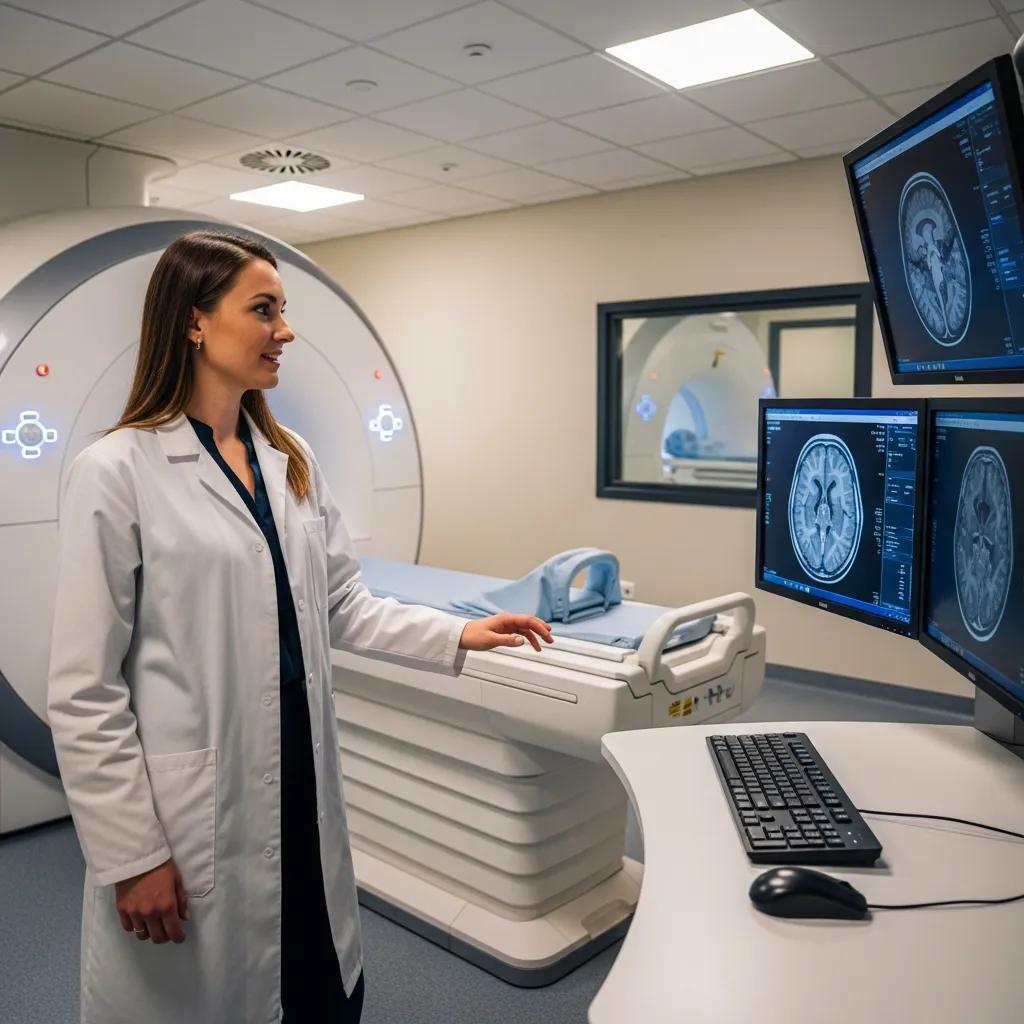
Graduates can follow many paths across diagnostic imaging, laboratory science, research and health management, with clear routes into roles that support or specialise in imaging technologies. Common imaging-related careers include sonographer, radiographer (after vocational training), medical physicist (with postgraduate study) and imaging researcher. Each role requires different mixes of further accreditation, clinical placement and advanced study. The table below summarises typical duties and realistic next steps for each role.
Introductory explanation: the following table compares imaging-related roles to responsibilities and realistic entry requirements for medical science graduates.
This comparison shows that a Bachelor of Medical Science is a strong starting point, but many imaging professions require further vocational training or postgraduate qualifications for accreditation and clinical competence.
Which diagnostic imaging roles can medical science graduates pursue?
Many graduates start in support or research roles — for example, as imaging research assistants or lab-based staff who collaborate with clinical teams. With targeted postgraduate study or vocational training, graduates can move into regulated clinical roles like sonography or radiography that require recognised accreditation and supervised practice. Those focused on physics or instrumentation typically follow postgraduate pathways toward medical physics roles in hospitals or specialised centres. Early clinical exposure and competence in anatomy, imaging principles and research methods help whichever path you choose.
How can graduates advance their careers in healthcare and medical imaging?
Progression usually involves postgraduate qualifications, specialty certifications, ongoing professional development and the accumulation of supervised clinical hours where required. Undertaking honours or research degrees can lead to PhD-level imaging research, while accredited conversion courses allow entry into sonography or medical radiation science. Taking part in quality improvement projects, presenting at conferences and publishing research also speeds advancement into senior or research-focused roles. Building a professional network through placements and industry collaborations opens doors to leadership, education and specialised technical positions.
After this section: graduates seeking direct clinical exposure will benefit from local employer contacts and industry-linked placements. Life Medical Imaging Central Coast is an independent, NATA‑accredited radiology clinic with several Central Coast locations offering diagnostic and sub‑specialist services such as women’s and cardiac imaging — a practical local resource for graduates exploring clinical careers. Interested graduates can enquire about training pathways and entry-level opportunities via the clinic’s careers and contact channels.
How is medical science applied in diagnostic imaging technology?
Medical science supplies the biological and physical knowledge needed to understand and optimise CT, MRI, ultrasound and X‑ray. Understanding radiation biology, magnetic resonance physics and acoustic principles informs safe technique choices, image optimisation and appropriate contrast use. Medical scientists help develop protocols, run quality-assurance programs and lead research that improves image quality, diagnostic accuracy and patient outcomes. The subsections below outline modality-specific scientific roles and how research skills drive imaging innovation.
What role does medical science play in CT, MRI, and ultrasound technologies?
CT is based on X‑ray physics and radiation biology; medical science knowledge supports safe dose management and interpretation of cross‑sectional anatomy. MRI relies on nuclear magnetic resonance principles and tissue relaxation characteristics, so familiarity with physics and tissue biochemistry aids sequence selection and troubleshooting. Ultrasound depends on acoustic physics and operator technique, making anatomy and physiology vital for diagnostic imaging and artefact recognition. Across modalities, a biomedical science background strengthens contributions to protocol decisions and multidisciplinary imaging teams.
How do medical science skills support innovation and research in imaging?
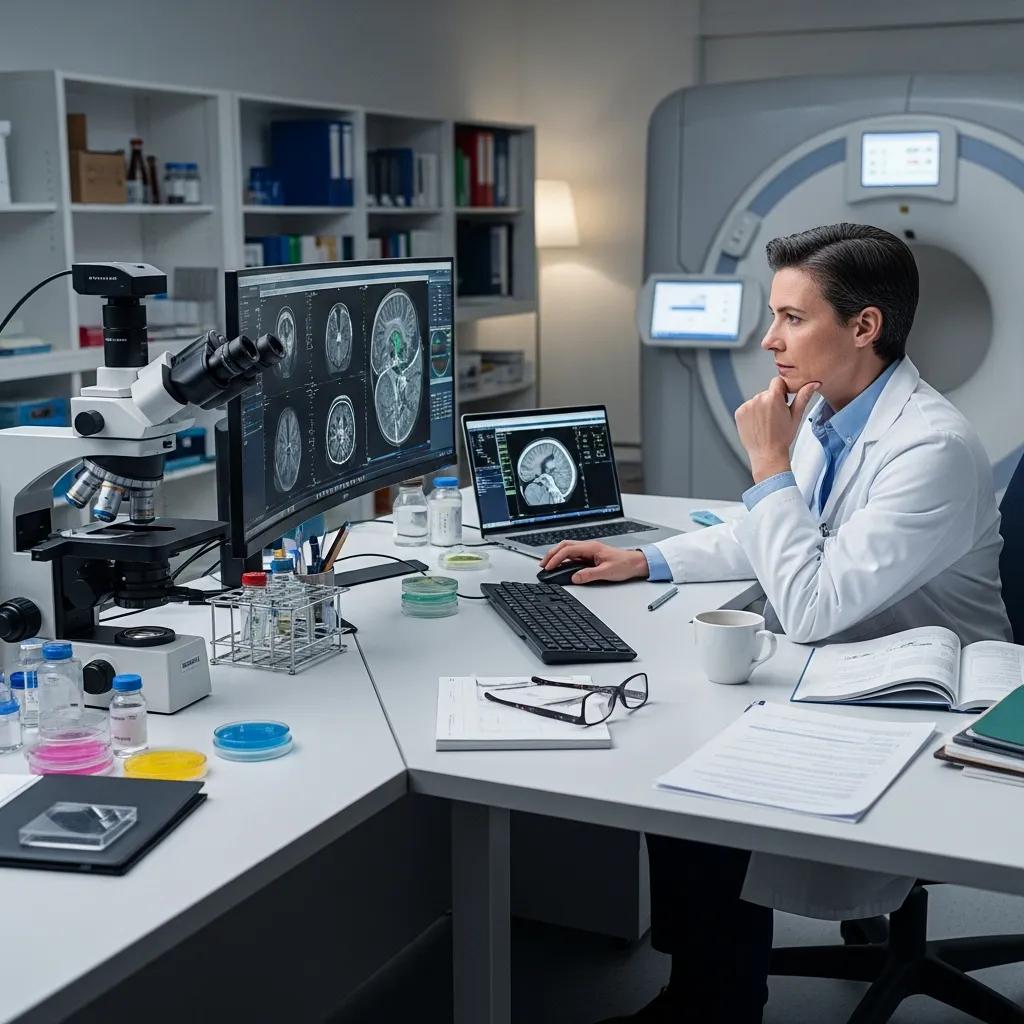
Skills in hypothesis formulation, robust statistics and reproducible methods underpin imaging trials, validation of new contrast agents and evaluation of AI image‑analysis tools. Graduates trained in experimental design can lead or support projects testing new sequences, comparing reconstruction algorithms or assessing quantitative imaging biomarkers. Such work helps translate innovations into routine practice and ensures new techniques are validated against sound scientific standards. Participating in imaging research also positions graduates for advanced roles and postgraduate study that shape future clinical protocols.
Where can you study Medical Science: program types and what to look for
When choosing a Bachelor of Medical Science, prioritise programs that combine strong core science teaching with genuine research opportunities, clinical partnerships and clear postgraduate pathways relevant to imaging. Key selection criteria include accreditation, availability of lab and placement experiences, research intensity and industry links that enable clinical exposure. Instead of counting brand names, assess programs by these attributes and how well they match your imaging or research goals. The table below compares common program types and the imaging-related pathways they typically support.
Introductory explanation: this table describes program types and the imaging-related pathways they commonly support, helping applicants evaluate program fit.
This comparison helps you prioritise program features that most directly support imaging careers, especially clinical partnerships and embedded research options.
Which Australian universities offer strong Bachelor of Medical Science programs?
Look for institutions with solid laboratory infrastructure, honours or research project options and formal partnerships with hospitals or industry that enable placements. Programs that encourage collaboration with medical imaging departments or allied health units generally offer clearer routes into imaging careers. Also check graduate outcomes, research output and available conversion or postgraduate pathways for regulated imaging professions. Verifying these features helps you pick a program aligned with your career goals.
What factors should students consider when choosing a medical science university?
Weigh up placement availability, how closely course content aligns with imaging topics, research opportunities and the strength of industry links. Practical considerations include program flexibility, pathways to accredited postgraduate training and support for gaining supervised clinical experience. Also assess local employment prospects and health networks that may offer internships or entry-level roles after graduation. The checklist below helps you compare programs against your career intent.
Checklist for selecting a program:
- Confirm laboratory and practical units relevant to imaging are available.
- Seek research projects or honours options connected to imaging departments.
- Verify industry or hospital partnerships that facilitate clinical placements.
- Check postgraduate pathways for vocational accreditation or medical physics.
These checks reduce uncertainty and help you choose programs that most directly lead to imaging careers.
How can Life Medical Imaging Central Coast support Medical Science graduates?
Life Medical Imaging Central Coast is an independent, NATA‑accredited radiology clinic with multiple Central Coast locations offering a wide range of diagnostic imaging and sub‑specialist services, including women’s and cardiac imaging. For graduates, the clinic is a local employer and a practical place to observe modalities such as CT, ultrasound, digital X‑ray and interventional procedures, and to see how medical science knowledge applies to patient‑centred imaging. Specific vacancies and formal internships vary, so interested graduates should check the clinic’s careers and enquiry channels to learn about training pathways, placement options and entry‑level roles. The clinic’s focus on safety and specialist services makes it a good contact point for clinical experience.
What career and training opportunities does Life Medical Imaging offer to graduates?
Depending on service needs, opportunities may include observer placements, research collaborations, clinical assistant roles or positions that support imaging workflows and build hands‑on familiarity with CT, ultrasound and interventional services. The clinic’s NATA accreditation and sub‑specialist practice indicate environments where graduates can learn quality assurance, specialist protocols and multidisciplinary teamwork. Check the clinic’s official careers pages or contact them directly to discover current openings, placement arrangements or structured training initiatives that complement university study and support moves into accredited imaging roles.
How does Life Medical Imaging apply medical science expertise in patient care?
Life Medical Imaging applies medical science across its services — anatomical and physiological understanding guide CT and MRI interpretation, while ultrasound practice relies on acoustic principles and vascular physiology. The clinic’s commitment to patient safety and evidence‑based protocols draws on radiation biology and imaging physics to ensure accurate diagnostics and comfortable patient care. Skills in quality assurance, data interpretation and research literacy help the clinic continually improve services; graduates with this background can contribute meaningfully to teams focused on high‑quality diagnostic outcomes.
What are common questions about Medical Science degrees and careers?
Below are concise answers to common questions prospective students and graduates ask, followed by short notes to help with planning next steps. These responses are designed to be quick to read while offering practical guidance on career mapping and further study.
What jobs can you get with a Medical Science degree in medical imaging?
A Bachelor of Medical Science can lead to roles such as imaging research assistant, laboratory scientist supporting imaging studies, and — with further training — careers as a sonographer, radiographer or medical physicist. Imaging research assistants support study design, data collection and image analysis, often accessible with undergraduate research experience. Clinical roles like sonography and radiography require accredited postgraduate or vocational conversion programs plus supervised clinical practice for registration. Medical physics careers typically follow specialised postgraduate study and accreditation.
A baccalaureate-level qualification generally provides broad scientific training, flexibility and opportunities for advancement in laboratory-based healthcare fields.
Bachelor’s Degree in Medical Laboratory Science: Education and Practice
A baccalaureate degree commonly supplies laboratory professionals with the broad scientific background, technical training and career flexibility needed for entry-level roles and progression into specialist areas. Accreditation and professional certification remain key quality safeguards to ensure programme standards and practitioner competency before entering practice.
A review of bachelor’s degree medical laboratory scientist education and entry level practice in the United States, 2013
Is a Bachelor of Medical Science a good degree for healthcare careers?
Yes — it’s versatile and provides a rigorous scientific foundation for many healthcare roles, research careers and postgraduate professional training in imaging and allied health. The degree covers core biomedical concepts, research methods and lab skills valued by employers and postgraduate programs. If you aim for regulated clinical roles, plan for targeted postgraduate accreditation; those focused on research or technical work often progress through honours or research degrees. The degree is a practical first step toward numerous imaging and healthcare careers.
Next steps: seek clinical placements, consider postgraduate accreditation where required, and contact local imaging providers about observer or support roles to build practical experience.
Life Medical Imaging Central Coast is available as a regional employer and contact point for enquiries about clinical exposure, placements and careers in diagnostic imaging. Use the clinic’s careers and enquiry channels to learn about opportunities, training collaborations and placement pathways. Engaging with local imaging providers and pursuing targeted postgraduate study will help you move from a Bachelor of Medical Science into clinical imaging roles.
Frequently Asked Questions
What are the benefits of pursuing a Bachelor of Medical Science?
A Bachelor of Medical Science builds a solid grounding in biological and biomedical sciences, practical lab skills and research training — all valued in healthcare roles. The degree improves preparedness for postgraduate study and entry-level positions in medical imaging and allied health, and often includes opportunities for clinical placement that boost real‑world experience and professional networking.
Can I specialise in a specific area of medical science during my degree?
Yes — many programs let you choose electives or streams in areas such as medical imaging, pharmacology or biomedical research. Honours projects and research placements offer further scope to specialise, helping you develop expertise that aligns with your career goals.
What is the difference between a Bachelor of Medical Science and a Bachelor of Science?
The Bachelor of Medical Science focuses on medical and clinical applications of biological science, combining core sciences with lab skills and clinical relevance. A Bachelor of Science tends to be broader across scientific disciplines and may not emphasise medical applications to the same degree. If you’re aiming for healthcare or imaging careers, the medical science degree usually maps more directly to those goals.
Are there opportunities for international students in medical science programs?
Yes — many universities welcome international students into medical science programs and provide support services such as orientation, academic advising and visa assistance. Check specific entry requirements for language proficiency and recognition of prior qualifications to ensure a smooth application process.
What are the typical career paths for graduates of medical science?
Graduates can work as medical researchers, laboratory technicians and clinical support staff in diagnostic imaging. With additional training they can become sonographers, radiographers or medical physicists. Many also continue to postgraduate study, opening pathways to advanced clinical, research or management roles.
How can I enhance my employability while studying for a medical science degree?
Gain practical experience through internships, volunteering or research projects. Join relevant student groups, develop strong communication and teamwork skills, and seek mentorship from professionals in the field. These activities build your CV and expand networks that help when applying for placements and graduate roles.
Conclusion
A Bachelor of Medical Science offers a practical, science-based foundation for many healthcare careers, especially in diagnostic imaging. The degree combines lab experience, research training and core biomedical knowledge to make graduates attractive candidates for postgraduate training and early-career roles. Pursuing clinical placements, targeted postgraduate accreditation and local employer contacts — such as Life Medical Imaging Central Coast — helps turn your degree into hands-on experience and long‑term career opportunities in medical imaging.