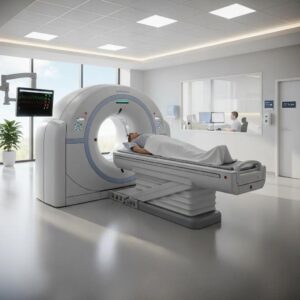
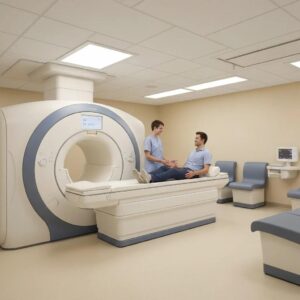
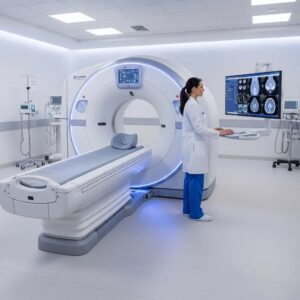
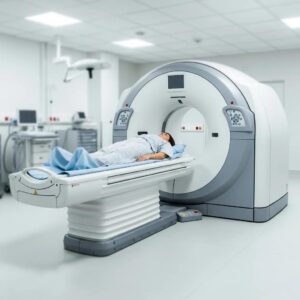
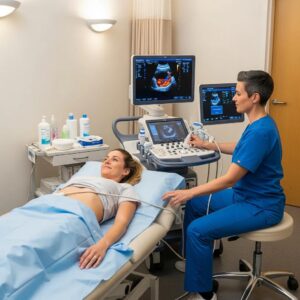
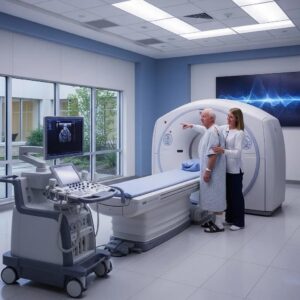
Medical imaging services are essential for diagnosing and monitoring various health conditions. These services encompass a range of technologies, including X-rays, CT scans, ultrasounds, and MRIs, each providing unique insights into the human body.
For instance, X-rays are commonly used to detect bone fractures, while CT scans offer detailed images of internal organs, making them invaluable for assessing conditions like tumors or internal bleeding. Understanding the different types of imaging available helps patients make informed decisions about their healthcare.
Benefits of Urgent Medical Imaging
Urgent medical imaging provides timely diagnostic services that can be crucial in emergency situations. This allows healthcare providers to quickly identify and address potentially life-threatening conditions.
For example, same-day scans can be vital for patients experiencing acute pain or trauma, ensuring that they receive prompt treatment based on accurate imaging results. This quick access to imaging services can significantly enhance patient outcomes and streamline the overall care process.
Preparing for Your Imaging Appointment
Preparation for medical imaging appointments can vary depending on the type of scan being performed. It's important for patients to follow specific guidelines to ensure accurate results and a smooth experience.
For instance, patients may be advised to avoid eating or drinking for several hours before a CT scan, while others might need to wear loose clothing or remove jewelry. Understanding these requirements can help alleviate anxiety and ensure that appointments proceed without delays.
Common Questions About Imaging Procedures
Patients often have questions regarding the safety, costs, and procedures involved in medical imaging. Addressing these concerns can help demystify the process and improve patient confidence.
Common inquiries include the level of radiation exposure during X-rays, the preparation needed for an MRI, or how to manage costs with insurance. Providing clear, accessible answers to these questions can enhance patient understanding and satisfaction with their imaging experience.
Understanding Medical Imaging Services
Medical imaging services are essential for diagnosing and monitoring various health conditions. These services encompass a range of technologies, including X-rays, CT scans, ultrasounds, and MRIs, each providing unique insights into the human body.
For instance, X-rays are commonly used to detect bone fractures, while CT scans offer detailed images of internal organs, making them invaluable for assessing conditions like tumors or internal bleeding. Understanding the different types of imaging available helps patients make informed decisions about their healthcare.
Benefits of Urgent Medical Imaging
Urgent medical imaging provides timely diagnostic services that can be crucial in emergency situations. This allows healthcare providers to quickly identify and address potentially life-threatening conditions.
For example, same-day scans can be vital for patients experiencing acute pain or trauma, ensuring that they receive prompt treatment based on accurate imaging results. This quick access to imaging services can significantly enhance patient outcomes and streamline the overall care process.
Preparing for Your Imaging Appointment
Preparation for medical imaging appointments can vary depending on the type of scan being performed. It's important for patients to follow specific guidelines to ensure accurate results and a smooth experience.
For instance, patients may be advised to avoid eating or drinking for several hours before a CT scan, while others might need to wear loose clothing or remove jewelry. Understanding these requirements can help alleviate anxiety and ensure that appointments proceed without delays.
Common Questions About Imaging Procedures
Patients often have questions regarding the safety, costs, and procedures involved in medical imaging. Addressing these concerns can help demystify the process and improve patient confidence.
Common inquiries include the level of radiation exposure during X-rays, the preparation needed for an MRI, or how to manage costs with insurance. Providing clear, accessible answers to these questions can enhance patient understanding and satisfaction with their imaging experience.