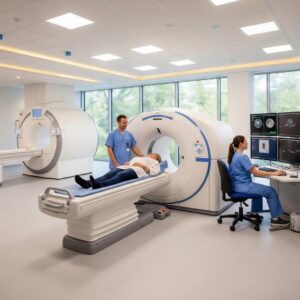
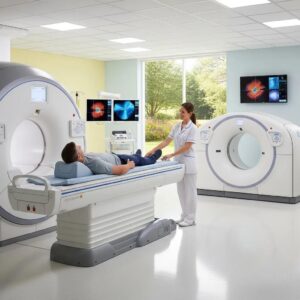
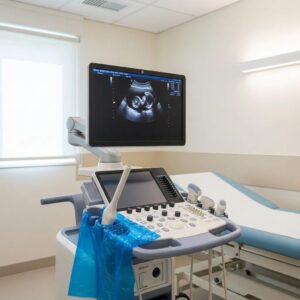
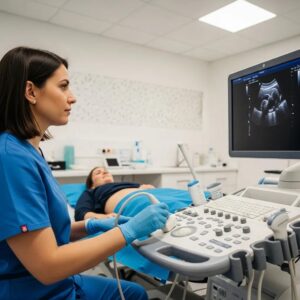
Medical imaging services play a crucial role in modern diagnostics, helping healthcare providers visualize the internal structures of the body. These services include a variety of techniques such as X-rays, MRIs, CT scans, and ultrasounds, each serving a unique purpose in diagnosing and monitoring health conditions.
For instance, X-rays are commonly used for identifying bone fractures, while MRIs provide detailed images of soft tissues, making them essential for diagnosing conditions like tumors or brain disorders. Understanding the different types of imaging services available can empower patients to make informed decisions about their health and seek appropriate care.
Benefits of Advanced Imaging Technology
Advanced imaging technology offers numerous benefits, including enhanced accuracy in diagnostics and reduced exposure to radiation. Innovations such as ultra-low dose CT scans provide high-definition images while minimizing the risks associated with traditional imaging methods.
Moreover, technologies like 3D imaging and digital X-rays improve the clarity of images, allowing for more precise evaluations. These advancements not only improve patient outcomes but also streamline the diagnostic process, enabling quicker and more effective treatment plans.
Preparing for Your Imaging Appointment
Preparation for a medical imaging appointment can vary depending on the type of scan being performed. Patients are often advised to follow specific guidelines, such as fasting or avoiding certain medications, to ensure optimal results.
For example, prior to an MRI, patients may need to remove metal objects and inform their healthcare provider of any implants. Understanding these preparatory steps can help alleviate anxiety and ensure a smooth imaging experience.
Common Misconceptions About Medical Imaging
There are several misconceptions surrounding medical imaging that can lead to confusion among patients. One common myth is that all imaging procedures involve high levels of radiation, which is not true for every type of scan.
For instance, while X-rays do expose patients to radiation, many modern imaging techniques, like ultrasounds and MRIs, do not use ionizing radiation at all. Educating patients about these differences can help dispel fears and encourage them to seek necessary imaging services without hesitation.
Understanding Medical Imaging Services
Medical imaging services play a crucial role in modern diagnostics, helping healthcare providers visualize the internal structures of the body. These services include a variety of techniques such as X-rays, MRIs, CT scans, and ultrasounds, each serving a unique purpose in diagnosing and monitoring health conditions.
For instance, X-rays are commonly used for identifying bone fractures, while MRIs provide detailed images of soft tissues, making them essential for diagnosing conditions like tumors or brain disorders. Understanding the different types of imaging services available can empower patients to make informed decisions about their health and seek appropriate care.
Benefits of Advanced Imaging Technology
Advanced imaging technology offers numerous benefits, including enhanced accuracy in diagnostics and reduced exposure to radiation. Innovations such as ultra-low dose CT scans provide high-definition images while minimizing the risks associated with traditional imaging methods.
Moreover, technologies like 3D imaging and digital X-rays improve the clarity of images, allowing for more precise evaluations. These advancements not only improve patient outcomes but also streamline the diagnostic process, enabling quicker and more effective treatment plans.
Preparing for Your Imaging Appointment
Preparation for a medical imaging appointment can vary depending on the type of scan being performed. Patients are often advised to follow specific guidelines, such as fasting or avoiding certain medications, to ensure optimal results.
For example, prior to an MRI, patients may need to remove metal objects and inform their healthcare provider of any implants. Understanding these preparatory steps can help alleviate anxiety and ensure a smooth imaging experience.
Common Misconceptions About Medical Imaging
There are several misconceptions surrounding medical imaging that can lead to confusion among patients. One common myth is that all imaging procedures involve high levels of radiation, which is not true for every type of scan.
For instance, while X-rays do expose patients to radiation, many modern imaging techniques, like ultrasounds and MRIs, do not use ionizing radiation at all. Educating patients about these differences can help dispel fears and encourage them to seek necessary imaging services without hesitation.