


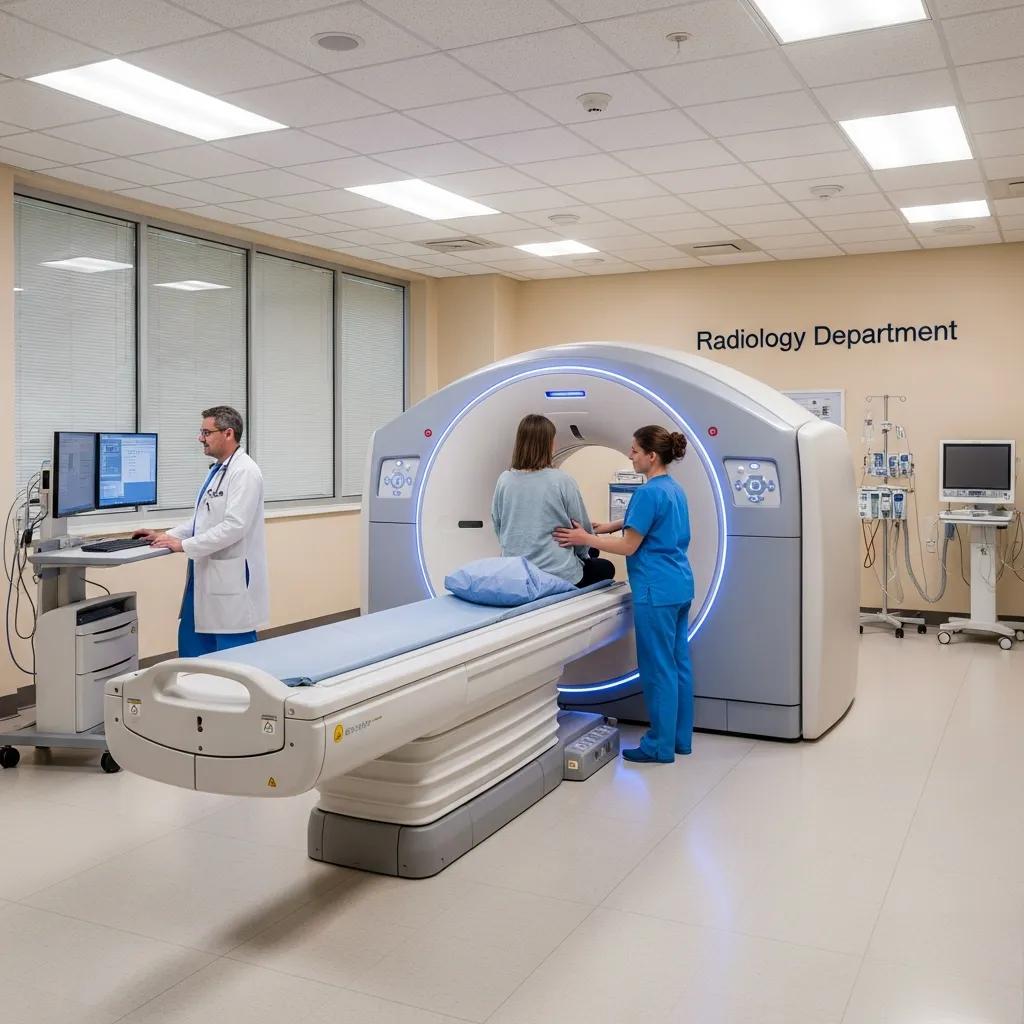
Day CT Scan — Procedure, Benefits, Safety and Scan Types at Life Medical Imaging Central Coast
A day CT scan is an outpatient CT (computed tomography) examination that captures detailed cross‑sectional X‑ray images in a single visit, helping clinicians diagnose conditions quickly and plan treatment. This guide explains what happens during a day CT, how modern low‑dose technology protects you, the key benefits and risks, and the common CT types available to Central Coast patients. It also gives clear, practical steps for preparing, what to expect on the day, how results are returned, and what to budget for when booking at Life Medical Imaging Central Coast. The sections below cover how the scan works, diagnostic advantages, a simple preparation checklist, safety information, the different CT services we offer, and booking and cost details so you can plan your visit with confidence.
What is a day CT scan and how does the procedure work?
A day CT scan is an outpatient test that uses a rotating X‑ray source and detectors to create thin, cross‑sectional images of the body. Advanced computer reconstruction turns multiple X‑ray projections into clear slices that radiologists read to answer specific clinical questions. CT is fast and excellent for viewing bones, organs and blood vessels — which is why it’s often used for urgent diagnosis and pre‑operative planning. Appointments are designed to be efficient: registration, targeted imaging and same‑day discharge while images are processed for reporting. Most scans take only a few minutes of scanner time, though total visit time can vary. Knowing the steps ahead of time helps reduce anxiety and makes your visit smoother.
What happens during a day CT scan procedure?
Here’s the typical patient flow so you know what to expect. On arrival we confirm your referral, check your medical history and ask about any contrast allergies. You’ll be positioned on the CT gantry and our radiographer will align the area to be scanned and explain any breath‑hold instructions. The actual image capture is usually very quick — often under five minutes for a focused study. After scanning we review the images for completeness; if contrast was given you may be observed briefly. A radiologist reports the study and sends results to your referrer. Bringing your referral and a list of medications, and asking any questions beforehand, helps the team prepare the right low‑dose protocol for you.
How does low‑dose CT technology improve safety?
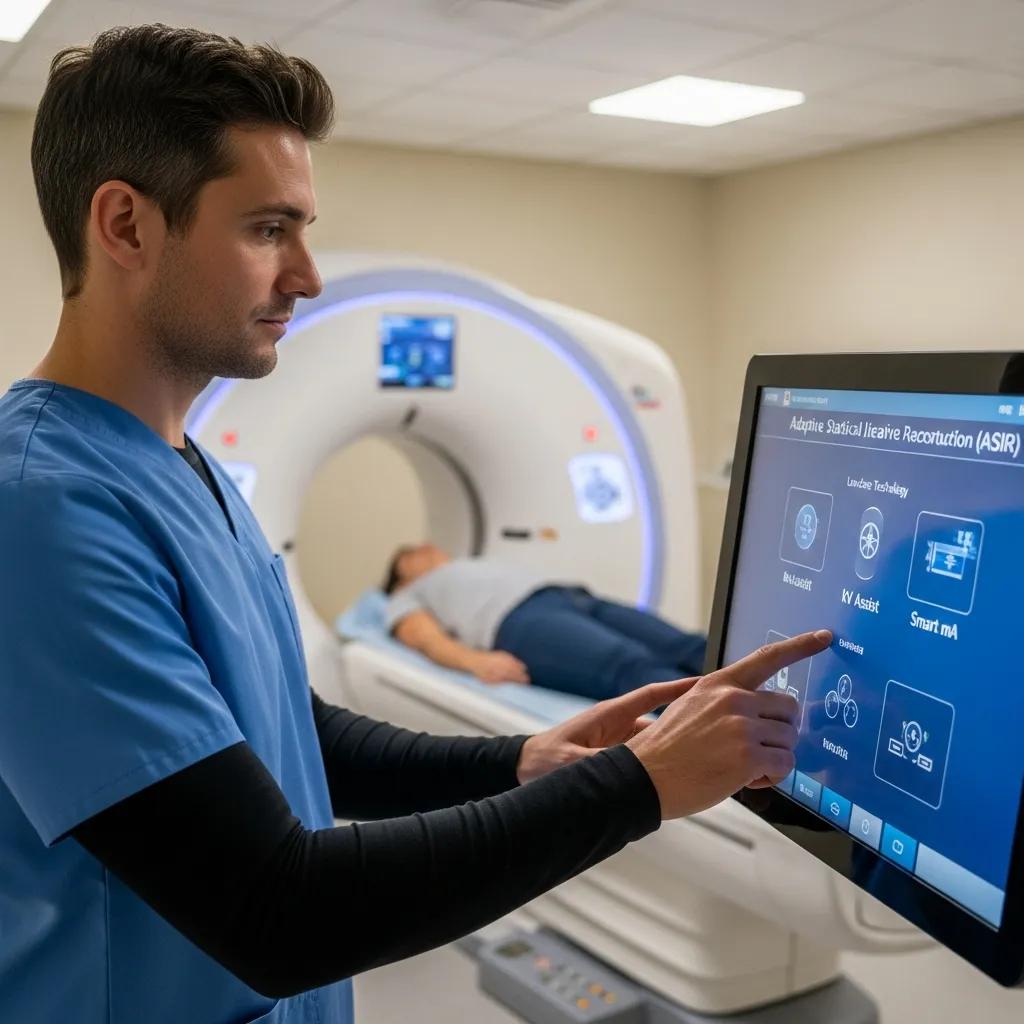
Low‑dose CT combines hardware improvements with smarter software to reduce radiation without sacrificing diagnostic clarity. Techniques such as iterative reconstruction and protocol optimisation allow radiographers to adjust settings — for example tube current and scan length — to the clinical question, lowering exposure for younger patients or follow‑up scans. The result is high‑quality diagnostic images at a smaller effective dose than older protocols. Explaining dose reduction in straightforward terms helps patients feel reassured about safety while still appreciating the test’s diagnostic value.
What are the benefits of a day CT scan?
CT offers fast, high‑resolution views of anatomy and disease, helping clinicians make timely decisions in trauma, infection, vascular conditions and cancer. By combining an X‑ray source, detector array and computer reconstruction, CT detects fractures, organ injury, lung disease and abdominal emergencies with high sensitivity — findings that often change immediate management. CT also helps with surgical planning, guides interventional procedures and monitors treatment response, shortening the path from presentation to therapy. Below are the main patient‑centred benefits and a quick comparison of common CT types.
- Speed of diagnosis: Images are acquired quickly so urgent problems can be identified the same day.
- High diagnostic detail: Cross‑sectional slices show anatomy and pathology not visible on plain X‑rays.
- Wide clinical use: Helpful for trauma, cancer staging, vascular checks and abdominal emergencies.
How does a CT scan help with diagnosis and treatment planning?
CT results often provide decisive information that changes patient care — for example confirming a displaced fracture that needs surgery, detecting bowel obstruction that requires urgent treatment, or characterising a lung nodule for oncology referral. Abdominal CT can reveal free air or fluid after trauma and prompt emergency surgery; chest CT can identify pulmonary emboli or complex infections that alter medication or intervention plans. High‑definition slices and a formal radiology report give surgeons and physicians the detail they need to plan the best approach, choose minimally invasive options where possible, or stage disease accurately for cancer care. This is why up‑to‑date technology and specialist reporting matter for outcomes.
Why choose Life Medical Imaging’s high‑definition CT scans?
At Life Medical Imaging Central Coast we combine ultra‑low‑dose CT protocols with sub‑specialist radiology expertise — including women’s and cardiac imaging — to deliver safe, high‑quality diagnostic reports. That means you get modern dose‑reduction techniques without losing the image detail needed for complex diagnoses. Our local clinics improve access for Central Coast patients and our service focus is on comfort, clear communication and timely reporting. To arrange a CT or ask about suitability, call 02 4326 7000 or use the online booking option your referrer recommends.
How should patients prepare for a day CT scan?
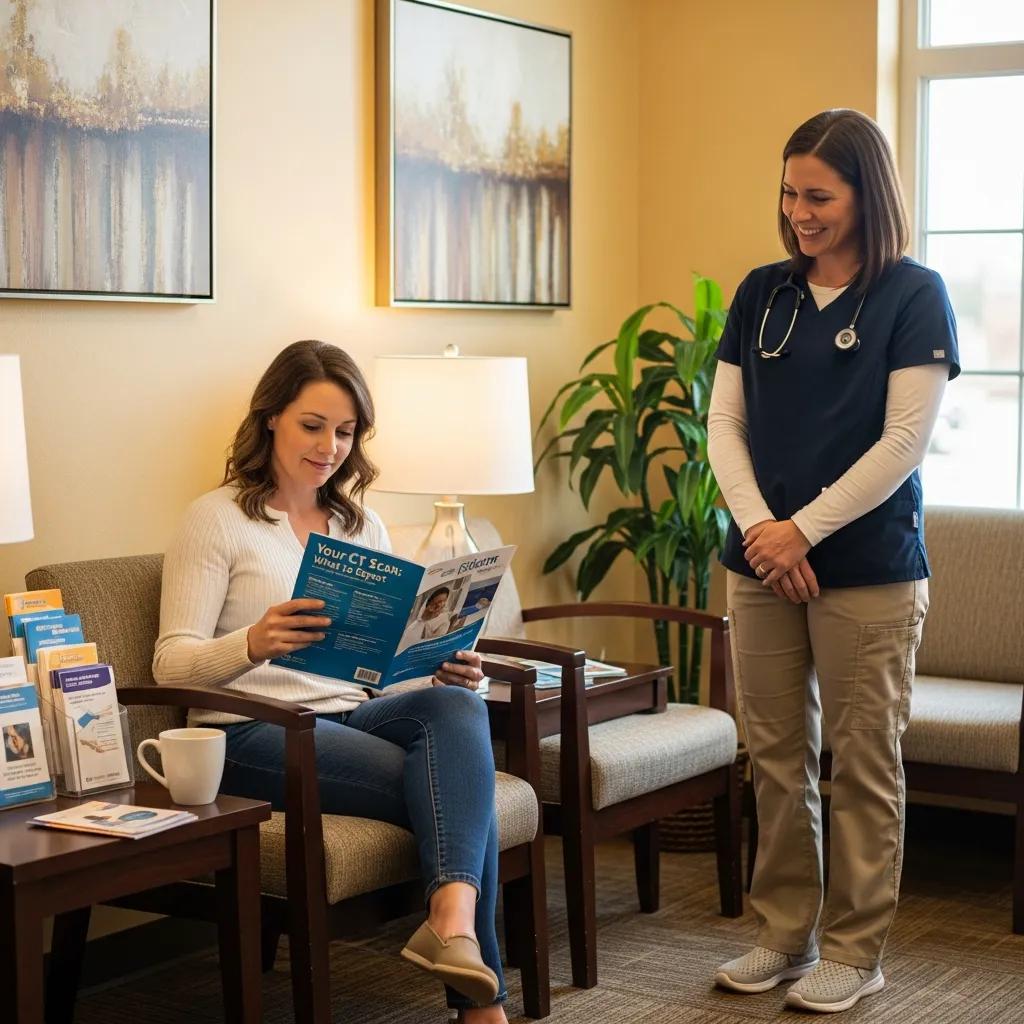
Preparing well reduces delays and ensures we get the best possible images — especially for scans that use contrast. Typical preparation includes fasting where IV or oral contrast is planned, following any medication instructions from your referrer, and bringing prior imaging and referral documents. Remove metal jewellery, wear comfortable clothing, and tell staff if you are pregnant, have kidney problems or allergies — this information affects contrast decisions and timing. Use the checklist below to help get ready for your appointment.
- Bring your referral and photo ID: Needed for registration and reporting.
- Follow fasting instructions if contrast is planned: Your clinic or referrer will advise the safe fasting period.
- Tell us about medications and conditions: Note diabetes medicines, kidney disease, pregnancy or prior contrast reactions.
What are the fasting and medication guidelines before a CT scan?
Fasting and medication advice depends on whether IV or oral contrast is used. Contrast studies often need a short fast to reduce nausea and help with safe administration. Certain medications such as metformin may need temporary adjustment around contrast administration to lower rare kidney‑related risks — follow the specific instructions given by your referrer or our clinic. Continue most routine medicines unless told otherwise, and bring a current medicines list to the appointment so staff can make safe contrast decisions tailored to you.
What should patients wear and disclose before their scan?
Wear comfortable, metal‑free clothing and avoid jewellery, watches or metal fastenings that can affect images; gowns are available if needed. Tell us about pregnancy, allergies to contrast dye, kidney problems, or implanted devices like pacemakers — these details influence scanning protocols or alternative imaging choices. If you have previous scans, bring them or let the clinic know so radiologists can compare studies and improve diagnostic accuracy. Clear disclosure helps us choose the appropriate low‑dose protocol for your care.
What are the risks and safety considerations of a day CT scan?
CT involves ionising radiation and, for some studies, IV contrast media; both carry small risks that we manage through careful justification, optimisation and experienced clinical teams. Modern low‑dose protocols keep the radiation from a single scan small compared with the diagnostic benefit, and we screen for contrast allergies and kidney function before giving dye. For pregnant patients or those with severe allergies, alternatives such as MRI or ultrasound may be recommended depending on the clinical question. Knowing how we reduce risk helps you weigh benefits and feel confident that safety guides every imaging decision.
- Dose optimisation: Protocols are tailored to reduce exposure while keeping image quality.
- Pre‑scan screening: Kidney checks and allergy questions ensure contrast is safe.
- On‑site management: Trained staff and protocols are in place to handle contrast reactions.
How safe is the radiation exposure from a low‑dose CT scan?
Low‑dose CT protocols reduce the effective radiation per scan by adjusting scanner settings and using advanced image reconstruction. To give perspective, a single low‑dose chest CT is often similar to a few months of natural background radiation, and scans are only approved when the diagnostic benefit outweighs any theoretical risk. If you need repeated imaging, we use dose tracking and consider alternative modalities to limit cumulative exposure. These practices are part of our commitment to safe, justified imaging.
What are the possible reactions to contrast dye?
Most people tolerate CT contrast well. Mild effects can include a metallic taste, warmth or mild nausea; true allergic reactions are uncommon and severe reactions are rare. We screen patients for prior reactions and risk factors such as asthma, and can offer pre‑medication or alternative protocols when needed. Our clinics are equipped with emergency protocols, trained staff and resuscitation equipment to manage rare severe reactions. If contrast is unsuitable, non‑contrast options are available.
What types of day CT scans are offered at Life Medical Imaging Central Coast?
We provide a range of CT services to match different clinical needs, including General CT, Cardiac CT and CT Angiography. Each service has specific preparation steps and is reported by radiologists with appropriate sub‑specialty expertise. General CT covers head, chest, abdomen and pelvis for trauma, infection and organ assessment. Cardiac CT evaluates coronary and cardiac structure, and CT Angiography visualises arteries and veins for vascular disease. The table below compares indications, preparation and typical appointment times.
What is a general CT scan and when is it used?
General CT is a flexible test that images the head, chest, abdomen and pelvis to detect fractures, bleeding, infection, tumours and organ injury. It’s often the first‑line investigation in trauma and many acute presentations. Scans are chosen to answer a focused clinical question — for example ruling out internal bleeding or identifying a pulmonary embolus — and may be done with or without contrast depending on what needs to be seen. Results commonly guide immediate decisions such as surgery, targeted medical therapy or further specialist tests.
How do cardiac CT and CT angiography differ and what do they detect?
Cardiac CT focuses on the heart and coronary arteries for calcium scoring and detailed coronary anatomy; it usually requires ECG gating and sometimes heart‑rate control to reduce motion artefact. CT Angiography is broader vascular imaging that captures arteries and veins to detect stenosis, occlusion or aneurysm, and depends on precise timing of contrast to show the vessel lumen and wall. Both use IV contrast to enhance vessels and produce high‑resolution images useful for diagnosing coronary artery disease, pulmonary emboli, aneurysms and peripheral arterial disease. These technical differences explain why preparation and reporting may vary.
How can patients book a day CT scan and what are the costs?
To book a day CT scan you’ll need a referral from your GP or specialist. Contact Life Medical Imaging Central Coast to arrange an appointment and discuss preparation, contrast needs and any pre‑scan instructions. Call us on 02 4326 7000 or use the online booking option recommended by your referrer. Costs vary by scan type, contrast use, urgency of reporting and whether Medicare or private health cover applies, so we encourage patients to confirm payment arrangements when booking. The table below outlines common cost drivers to help you plan.
How do I book a CT scan appointment at Life Medical Imaging?
First, get a referral from your GP or specialist and have it ready when you book. Call Life Medical Imaging Central Coast at 02 4326 7000 or follow the online booking instructions your referrer provides. Be prepared to give personal details, referral information and relevant medical history. On the day bring your referral, photo ID and a list of current medications, and arrive a little early for registration and any pre‑scan screening if contrast is planned. This helps staff select the right low‑dose protocol and arrange specialist reporting for your scan.
What are the typical costs and payment options for a day CT scan?
Costs depend on the scan complexity, use of IV or oral contrast, urgency of reporting and whether Medicare or private health insurance covers the test. Our administration team can provide itemised cost estimates when you call to book. Private patients are usually asked to pay at or before the appointment; insured patients should check with their fund about gap payments. Contacting the clinic ahead of time ensures cost expectations are clear before your visit.
Frequently asked questions
What should I expect after my CT scan appointment?
After your scan the radiologist will interpret the images and send a report to your referring doctor. Reporting times vary, but you can generally expect results within a few days. If contrast was used you may be monitored briefly before discharge. Follow up with your referrer to discuss the findings and any next steps in your care.
Are there any alternatives to a CT scan?
Yes — depending on the clinical question, MRI and ultrasound are common alternatives that do not use ionising radiation. MRI is ideal for soft tissue detail and some neurological and musculoskeletal problems, while ultrasound is useful for real‑time imaging of organs and blood flow. Your referrer will recommend the best modality for your situation.
How long does a day CT scan typically take?
Most appointments last 10–30 minutes including registration, preparation and the scan. The actual image acquisition is usually only a few minutes, though extra time may be needed for contrast administration or observation. Arriving early helps ensure a smooth experience.
Can I eat or drink before my CT scan?
Eating and drinking instructions depend on the type of scan and whether contrast is required. For IV or oral contrast you will often be asked to fast for a few hours beforehand. Always follow the specific fasting and dietary instructions given by your referrer or our clinic.
What happens if I have a reaction to the contrast dye?
Most people have no problems with contrast. Mild reactions — a metallic taste, warmth or mild nausea — are common and short‑lived. Serious allergic reactions are rare. We screen for prior reactions and risk factors and have emergency protocols and trained staff to manage adverse events. If you have a history of reactions, tell your referrer or clinic so we can take precautions.
Is a CT scan safe for children?
CT can be safe for children when clinically necessary. We use paediatric low‑dose protocols and carefully weigh the need for imaging against any radiation risk. Discuss concerns with your child’s referrer so we can explain the benefits and safety measures we use.
How can I prepare for a CT scan if I have anxiety about the procedure?
If you’re anxious, tell the clinic when you book — staff can explain the process, offer reassurance and suggest coping techniques such as breathing exercises. Bringing a support person where appropriate can help, and our teams are experienced at making patients comfortable throughout the visit.
Conclusion
Choosing a day CT scan at Life Medical Imaging Central Coast gives you fast, detailed imaging with modern low‑dose technology and specialist radiology reporting. Our team focuses on your comfort, safety and clear communication so you leave informed and confident about next steps. To find out more or to book, call us on 02 4326 7000 or use our online booking page as instructed by your referrer.