


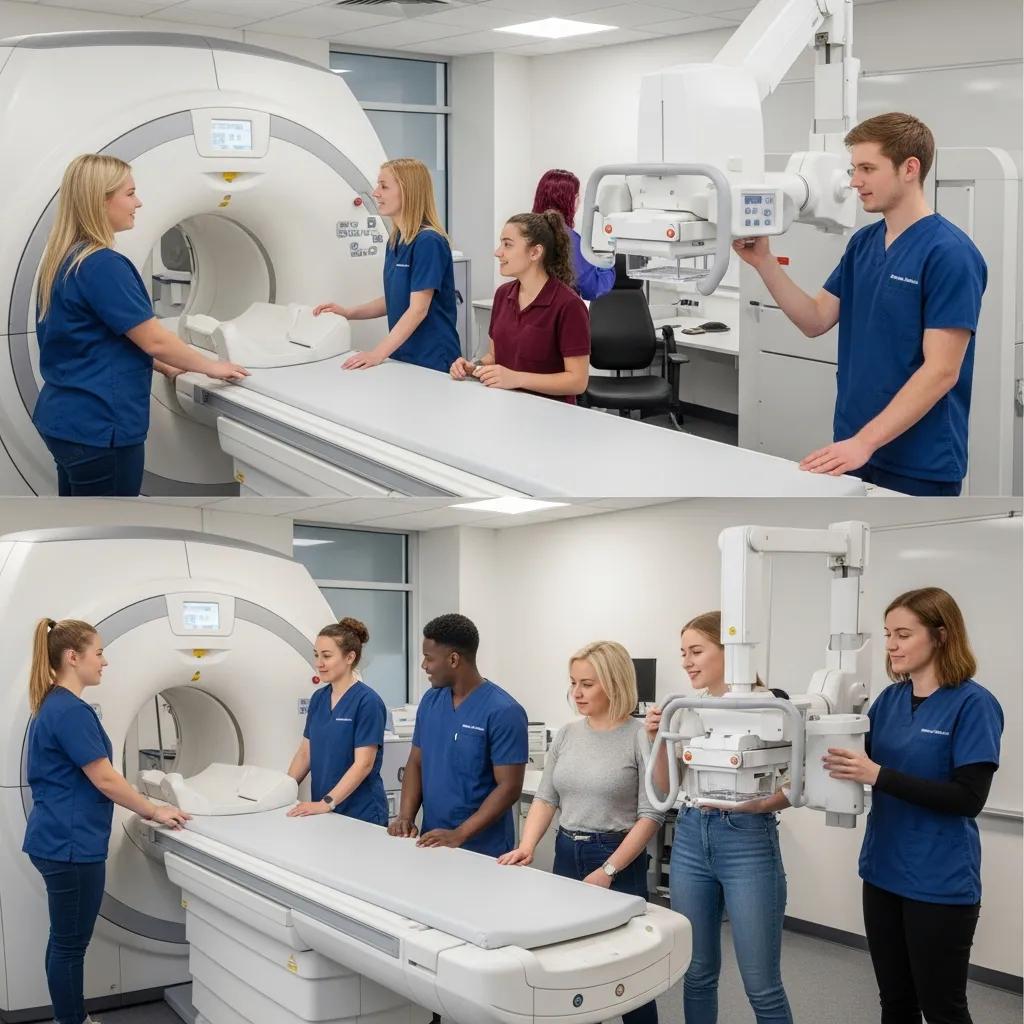
Diagnostic Radiography Degree and Radiographer Study Guide in the UK
Diagnostic radiography in the UK trains healthcare professionals to create and interpret medical images across modalities such as X‑ray, CT, MRI and ultrasound, equipping graduates for statutory registration and clinical practice. This guide walks you through degree routes, accreditation checks and entry requirements, then covers recommended study materials, online course options and CPD expectations. We also share practical checklists and comparison tables to help you prepare for clinical placements and exams. If you’re unsure which textbooks to buy, how to map CPD to revalidation, or how to turn online learning into placement-ready skills, this article gives straightforward, actionable advice. Read on for clear definitions of degree types, an accreditation checklist, curated study resources, online provider overviews, placement preparation strategies and realistic career progression pathways.
What is a Diagnostic Radiography Degree in the UK?
A diagnostic radiography degree is a regulated healthcare qualification that combines academic teaching with supervised clinical practice so graduates can practise safely and meet statutory registration requirements. Programmes commonly award a BSc or an MSc/graduate-entry qualification and cover core modules such as anatomy, radiation physics, image acquisition and professional practice. Integrated clinical placements provide the practical hours and evidence required for registration. Completing an accredited programme makes you eligible to register and work in hospital, outpatient and community imaging services — which is why checking curriculum content and accreditation status is essential before you apply.
Which universities offer accredited radiography degrees in the UK?
Universities across the UK offer accredited radiography programmes that meet regulatory and professional body standards — but always verify accreditation before applying. Confirm a programme’s approval by the statutory regulator (Health and Care Professions Council, HCPC) and the professional body (Society and College of Radiographers, SCoR); these approvals affect your eligibility for professional registration and employability after graduation. A simple checklist for applicants is to confirm accreditation, review placement arrangements and check assessment methods and graduate outcomes. Verifying accreditation upfront reduces the risk of extra hurdles to registration and helps ensure a smoother transition into clinical roles.
What are the entry requirements for a radiography degree?
Entry requirements usually combine academic achievements in science subjects with practical checks and personal suitability assessments. Typical academic expectations include A‑levels or equivalents with a science (for example biology or physics), GCSEs in English and maths and, in some cases, specific UCAS tariff points. Graduate‑entry routes accept prior degrees but may expect relevant subject knowledge. Non‑academic prerequisites often include occupational health checks, required immunisations, enhanced background checks and interview or portfolio assessments to evidence communication and professionalism. Applicants without standard qualifications can often follow access courses or conversion MSc routes that lead to the same registration pathway.
How Can You Build a Successful Radiography Career Path in the UK?
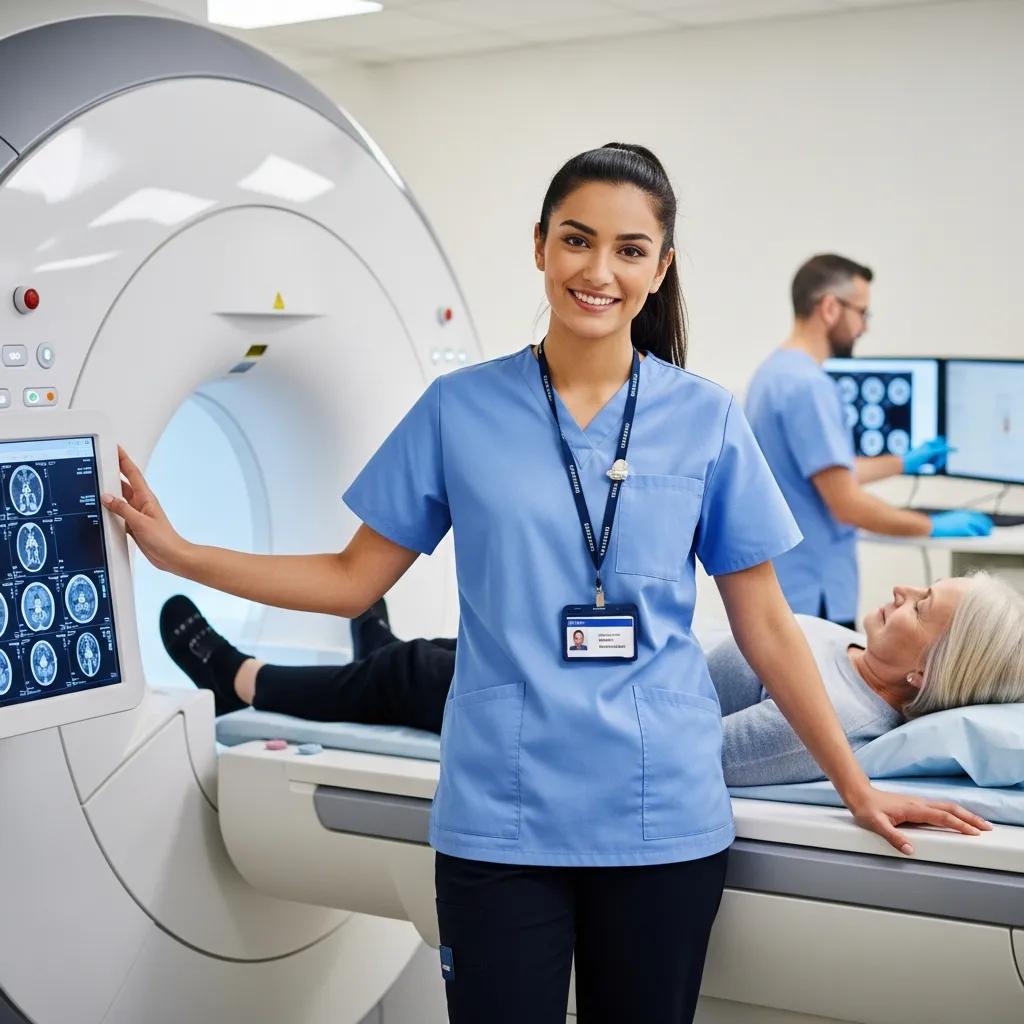
A successful radiography career blends solid clinical skills developed during degree study and placements with targeted CPD, specialist training and progressively senior responsibilities. Early in your career you’ll consolidate core imaging techniques and radiation safety, then you can specialise in modalities such as CT, MRI or ultrasound, or move into advanced practice, reporting, management or education. Structured progression looks like competence milestones, a reflective CPD portfolio and accredited specialist training or postgraduate qualifications. Planning clear milestones and aligning CPD with your goals helps demonstrate impact and readiness for higher responsibility.
What are the typical roles and responsibilities of a radiographer?
Radiographers carry out clinical imaging procedures, look after patients during exams, ensure radiation protection and contribute to multidisciplinary diagnostic pathways — with specific duties varying by modality and setting. Daily tasks include preparing patients, selecting imaging protocols, acquiring diagnostic‑quality images and performing equipment safety checks, alongside accurate documentation and clear communication to support diagnosis and treatment. Many radiographers also take part in audits, quality improvement and teaching, which provide useful CPD evidence. Knowing these role components helps students prioritise which skills to develop during placements and how to present practical experience to employers.
How do you progress from trainee to senior radiographer roles?
Progression requires deliberate skill building, evidence of advanced competence and engagement in formal development such as specialist courses or postgraduate study. Radiographers typically accumulate clinical experience, take on lead duties, complete accredited specialist training (for example in CT or MRI) and assemble reflective portfolios showing outcomes and service improvements. Seek mentorship, network within clinical teams and document measurable impact from audits or teaching to strengthen promotion cases. Clear milestones — signed competence, specialist accreditation and leadership training — make progression tangible and achievable.
What Radiographer Continuing Professional Development is Required in the UK?
Continuing professional development (CPD) for radiographers in the UK is ongoing and should maintain competence, support revalidation and show reflective practice. A mix of formal courses, teaching, audits and self‑directed learning all count when learning outcomes are explicit and supported by reflective records and evidence such as certificates or project outputs. Good CPD planning maps annual learning objectives, logs activities with short reflections and uses varied formats to meet both personal development aims and revalidation requirements. The table below clarifies common CPD activities, how they count and what evidence to keep for your portfolio.
Introductory table explaining CPD activity types, required evidence and how they contribute to revalidation:
Which CPD activities count towards professional registration?
Broadly, many activities count so long as they state learning outcomes and include reflective evidence that links learning to practice improvement. Typical examples include accredited courses, clinical audits, teaching and supervision, research involvement, peer‑review meetings and structured reflections on clinical cases. Evidence usually comprises certificates, reflective entries, action plans and outputs such as audit reports — all demonstrating learning and impact. Keeping concise, standardised records and short reflections for each activity makes portfolio compilation for revalidation much simpler.
The Health and Care Professions Council (HCPC) requires radiographers to keep their skills and knowledge up to date throughout their careers to maintain registration and demonstrate fitness to practise.
UK Radiographer Continuing Professional Development and Revalidation Requirements
The Health and Care Professions Council (HCPC) is the statutory regulator for health and care professionals in the UK. Radiographers must maintain their HCPC registration to practise and revalidation is the formal process used to demonstrate fitness to practise. As part of revalidation the HCPC expects radiographers to undertake continuing professional development (CPD) throughout their careers. Its guidance sets out the types of activity that qualify as CPD, what evidence should be kept and how this evidence supports revalidation. Radiographers are expected to keep a CPD portfolio recording their activities and reflections, which the HCPC may request to review.
How often must radiographers complete CPD to maintain registration?
Rather than cramming learning into a single period, spread CPD throughout the year and align it with your revalidation cycle. A practical routine is to set quarterly CPD goals that mix formal modules, reflective exercises and practice‑based projects so you keep a continuous record of development and demonstrable outcomes. This steady approach reduces last‑minute gaps and supplies material for reflective accounts at revalidation time. Review your CPD regularly to ensure activities remain relevant to your career plans.
Where Can You Find Online Radiography Courses in the UK?
Online radiography courses and CPD modules are offered by university CPD portals, professional bodies and accredited private platforms. Choose providers that clearly state CPD credits and learning outcomes so the course maps to revalidation and workplace competence. When selecting courses check accreditation, instructor credentials, practical components and CPD credit value. The table below compares common provider types, typical length, format and CPD credit potential to help you choose efficiently.
Introductory table comparing online course providers and typical attributes:
What are the best online courses for radiography study materials?
The best options combine recognised accreditation, practical learning and a clear link to clinical competencies. Prioritise modules on radiation safety, modality updates, image interpretation and clinical reasoning. High‑value topics include dose optimisation, advanced CT/MRI techniques and research methods that support evidence‑based practice. Prefer courses with assessments that award certificates and prompt reflection — these create strong CPD evidence. Your choice should match your current learning gaps, intended specialism and available study time.
How do online courses support radiographer CPD and skill enhancement?
Online courses support CPD when learning objectives are explicit and participants produce evidence such as certificates, reflective logs and practical action plans. After each module write a short reflection describing how you’ll apply the learning to a clinical scenario and list measurable actions to implement. Online learning accelerates skill development in niche areas (for example advanced image interpretation) and keeps you current with evolving guidelines and technology. Turning course outcomes into small workplace projects increases measurable impact for appraisal and revalidation.
Many students and clinicians ask for curated course recommendations or help matching modules to career goals — the organisation referenced in the allowed business information acts as an information hub and lead generator and can be contacted via its website for curated course lists or CPD support. They can help identify courses aligned to revalidation needs, suggest modules to prepare for placements and advise on partnerships with training providers to bridge online learning and workplace application.
What Essential Radiography Study Materials Should Students Use?
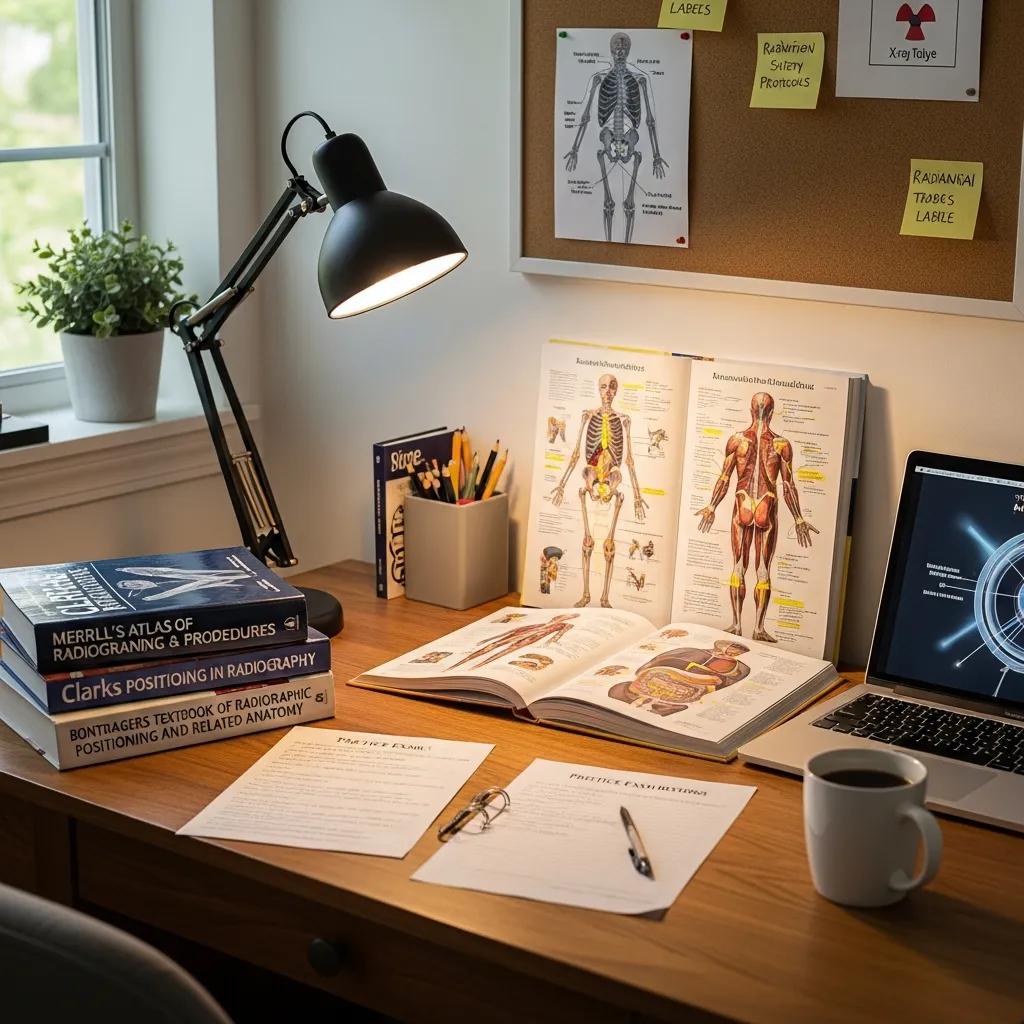
Choose study materials that balance core textbooks with image‑rich atlases, case banks and timed practice exams so you develop both theoretical knowledge and image interpretation skills. Core texts should cover anatomy, imaging physics and interpretation; atlases and case banks sharpen pattern recognition; practice exams and timed cases build exam technique and clinical decision‑making. The table below helps compare common resource types by focus, level and strengths so you can prioritise purchases or library loans.
Introductory table comparing textbooks and study resources:
Which textbooks and guides are recommended for diagnostic radiography students?
Key resources include an anatomy atlas that links clinical images to anatomical landmarks, a straightforward imaging physics text explaining radiation safety and systems, and an image interpretation workbook with progressive cases. Each plays a role: atlases build structural recognition, physics texts support safe technical practice and case banks develop diagnostic reasoning and reporting. Choose editions with high‑quality images and online support where possible, and rotate materials by study phase — foundational reading early, case practice as placements approach.
How can practice exams and case studies improve radiography skills?
Practice exams and case studies train timed decision‑making, pattern recognition and reflective learning — all essential for clinical diagnostic work. Use timed mock exams to hone pacing, then review answers focusing on interpretation reasoning and error analysis, creating short reflective notes that link mistakes to actions. Case‑based learning exposes you to ambiguous or complex scenarios similar to workplace challenges, improving placement readiness. Regular, spaced practice converts theory into practical diagnostic competence.
If you’d like curated reading lists, supplementary case packs or help arranging observational visits and placement‑related imaging, the organisation named in the allowed information provides an enquiry route via its website. They can suggest study packs, clarify resource choices and advise on placement or observational visit options that support both exam success and placement readiness.
How Do Radiography Students Prepare for Clinical Placements in the UK?
Good placement preparation combines administrative readiness, practical rehearsal and clear learning objectives so students make the most of hands‑on time and achieve competence sign‑off. Preparation steps include confirming documentation (immunisations, DBS where required), rehearsing core imaging skills and setting measurable placement goals aligned to module outcomes and supervisor expectations. Active strategies such as pre‑placement reading, a placement learning plan and short mentor briefings help focus practice and produce meaningful reflective entries. The checklist below summarises essential administrative and practical steps to complete before you start.
Introductory checklist explaining what it contains:
- Complete administrative requirements — occupational health clearances, identity documents and any DBS checks — before placement begins.
- Rehearse core clinical skills through simulation or supervised practice to meet early competency expectations.
- Set structured learning objectives and schedule feedback meetings with placement supervisors to support reflective practice.
Summary: Getting administrative and practical tasks done before day one reduces early placement stress and lets you concentrate on skill development and reflective learning, increasing the value of your clinical experience.
The transition from classroom to clinical placement is a decisive moment for student radiographers: it’s where theory becomes practice and confidence grows through real‑world exposure.
Student Radiographer Transition: From Classroom to Clinical Placement in the UK
The move from classroom learning to the first clinical placement is a pivotal stage for student radiographers. During this time students begin to apply academic knowledge to real clinical situations and often face unfamiliar environments, new teams and added responsibilities. Experiences vary depending on prior exposure, university and placement support, and the clinical setting itself. Research shows students commonly feel a mix of excitement and anxiety during the transition. With appropriate preparation and support, however, students can navigate this period successfully and develop into competent, confident practitioners.
What skills are essential for successful clinical placement performance?
Essential skills include technical competence in image acquisition, radiation safety, patient positioning and effective communication, combined with professionalism, time management and teamwork. Practice accurate patient identification, infection control and clear verbal explanations for procedures — these non‑technical skills directly affect image quality and patient experience. Simulation and supervised practice before placement accelerate competence and confidence, letting you focus on higher‑level skills once on the ward. Demonstrating these abilities early builds trust with supervisors and opens up richer learning opportunities.
How can students maximise learning during clinical placements?
To get the most from placements, set SMART objectives for each block, ask for specific feedback and keep concise reflective logs that link clinical experiences to theory and action. Be proactive: request targeted supervision, volunteer for different modalities and document procedures to create assessment evidence and enrich your CPD portfolio. Short, focused reflections after each session help consolidate learning and make appraisal discussions more productive. Regularly align placement tasks with academic assessments so clinical time supports both competence sign‑off and exam preparation.
Clinical placements are a core requirement of radiography training in the UK and provide the practical experience needed to meet national standards.
UK Standards for Diagnostic Radiography Training and Placement
Clinical placements are a vital element of diagnostic radiography training in the UK. Students must complete a set number of placement hours to graduate, gaining hands‑on experience working with experienced radiographers and wider healthcare teams. Placements develop the practical skills and knowledge required for competent practice, including operating imaging equipment, performing a range of examinations, image interpretation, patient care, radiation protection and professional behaviour. The revised UK standards of proficiency for diagnostic radiography training outline the knowledge, skills and behaviours expected of radiographers and aim to ensure consistent, high‑quality patient care.
As placement time approaches, students and clinical educators sometimes need extra help with placement matching or referrals for observational visits; the organisation named in the allowed information acts as an information hub and lead generator and can be contacted via its website to enquire about placement referrals, observational visit opportunities or diagnostic imaging services relevant to training. This support can help secure suitable clinical experiences and clarify service expectations before placements start.
Frequently Asked Questions
What are the career prospects for radiographers in the UK?
Career prospects are strong as demand for imaging services grows. Radiographers work in hospitals, outpatient clinics and community services, and as technology advances there are expanding opportunities in MRI, CT and ultrasound. You can also move into management, education, research or advanced practice roles. Ongoing CPD and experience across modalities improve employability and salary potential.
How can radiography students manage stress during their studies?
Managing stress is essential for wellbeing and performance. Establish a balanced study routine with regular breaks, include physical activity and try short mindfulness exercises if helpful. Build a peer network for mutual support and seek advice from tutors or university counselling services when needed. Small, consistent self‑care steps make a big difference over the course of a programme.
What is the role of technology in modern radiography education?
Technology underpins modern radiography education. Simulation software lets students practise techniques in a safe environment, while online platforms provide lectures, webinars and interactive modules. Curricula include advances such as digital radiography and telemedicine so graduates are ready for current clinical practice. Embracing technology makes learning more practical and accessible.
What are the common challenges faced by radiography students during placements?
Common challenges include adjusting to busy clinical environments, managing time, applying theory in practice and communicating with patients and teams. Performance anxiety around competence sign‑off is also frequent. To overcome these, actively seek feedback, use reflective practice and participate in team discussions to build confidence and improve clinical skills.
How important is networking for radiography students?
Networking is valuable for job opportunities, mentorship and professional development. Connect with peers, faculty and industry professionals at conferences, workshops and events to learn about trends and openings. Networking can lead to internships, research collaborations and references that support employability after graduation.
What resources are available for radiography students seeking additional support?
Students can access academic advisors, tutoring and counselling through their universities. Professional bodies such as the Society and College of Radiographers offer career guidance, CPD and networking events. Online forums and social groups provide peer support, and mentorship from experienced radiographers offers practical career advice.
Conclusion
Starting a diagnostic radiography degree in the UK prepares you for a practical, patient‑facing healthcare career by combining taught theory with supervised clinical experience. Knowing how to check accreditation, meet entry requirements and choose effective study materials improves employability and placement readiness. Regular CPD and purposeful networking support ongoing professional growth and help you adapt to changing standards. Explore the resources linked here to support your journey to becoming a capable, confident radiographer.