


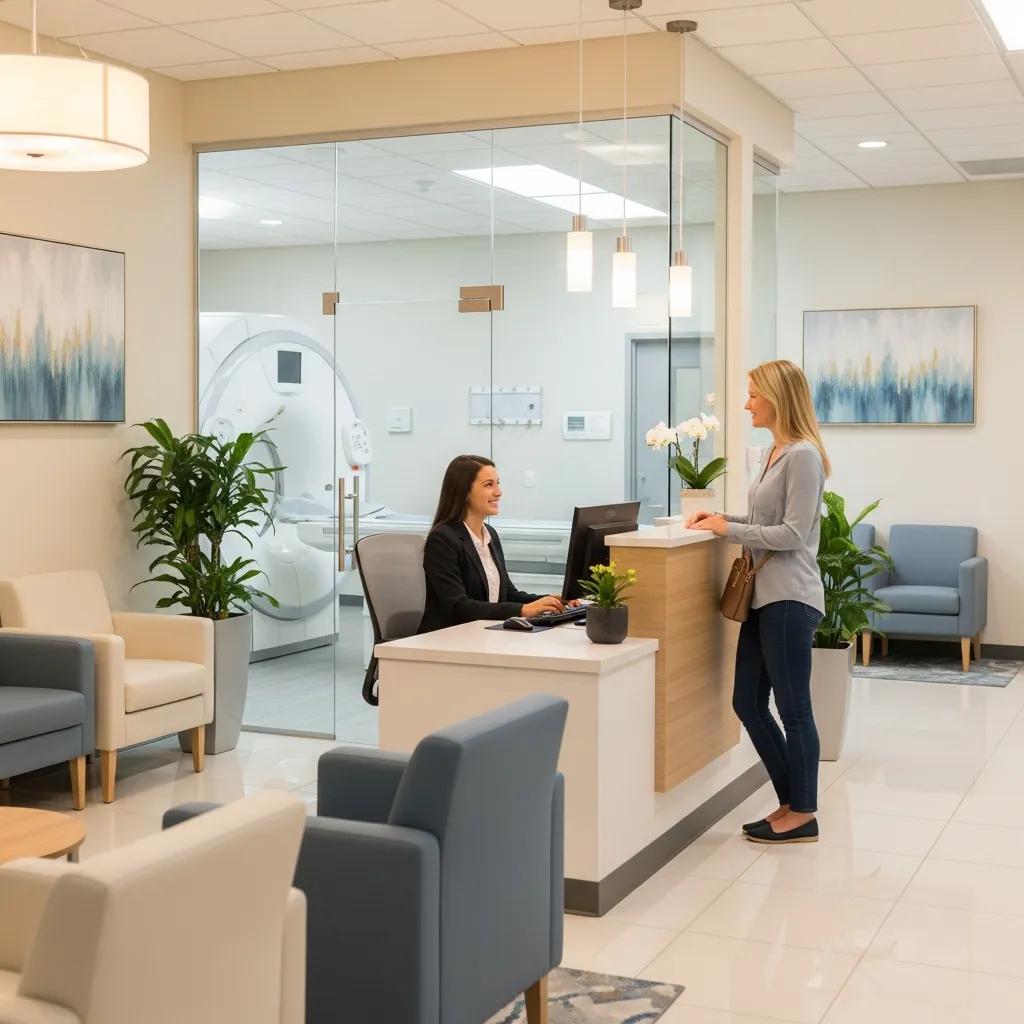
Medical imaging near you on the Central Coast — local radiology clinics and diagnostic services
When you need reliable medical imaging on the Central Coast, convenient access and fast results matter. This guide outlines the diagnostic services available locally, explains how each imaging modality works, and gives practical steps to find, prepare for and book scans. You’ll find clinic locations, what to expect for CT, ultrasound, X‑ray, dental imaging and DEXA, and how referrers can submit eReferrals. We also cover patient resources, safety (including low‑dose options and paediatric care) and how local clinics support better care coordination. Use the sections below to locate clinics in Bateau Bay, Killarney Vale, Umina Beach and Erina, compare services, prepare for exams and follow clear booking steps so attending an imaging appointment is straightforward.
Where are Life Medical Imaging’s diagnostic clinics on the Central Coast?
Below we list the main Life Medical Imaging Central Coast clinics, outline practical access details and show which services are available at each site so you can pick the most convenient option. Accurate location details help with parking and public transport planning and indicate the modalities likely on site. Local clinics are set up to reduce travel for routine scans and to support continuity of care with local referrers. Use the practical notes below to choose the clinic that best matches your service needs and schedule.
How can I find a radiology clinic near me in Bateau Bay, Killarney Vale, Umina Beach or Erina?
Finding the right radiology clinic starts with a clear search and knowing the local suburbs and services. Try searching the modality plus suburb (for example, “ultrasound Bateau Bay” or “DEXA Umina Beach”) and confirm the clinic lists the service you need. Check maps for parking and public transport and note nearby landmarks for easier directions. We also recommend calling ahead to confirm service availability so you don’t travel unnecessarily.
What makes local imaging centres convenient for Central Coast patients?
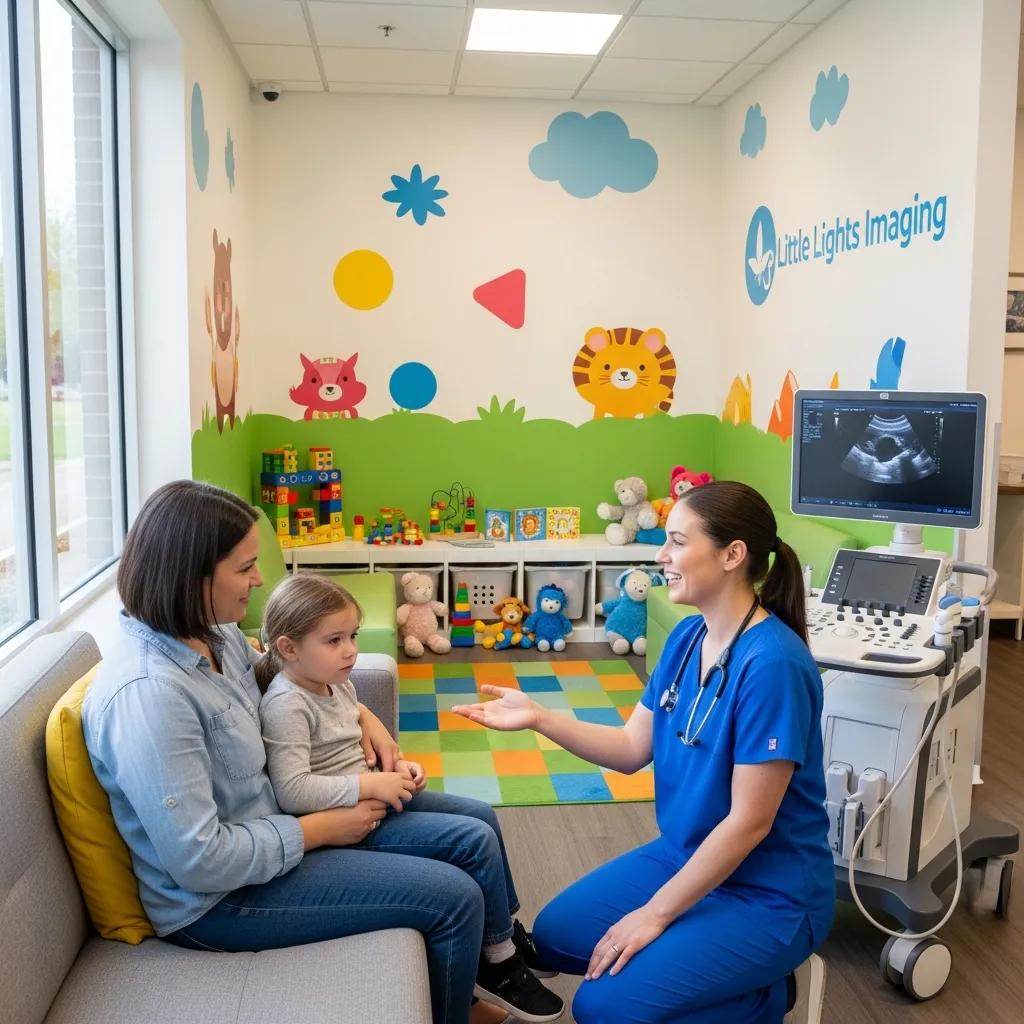
Local imaging centres reduce travel time, speed diagnosis and support ongoing care with familiar referrers and faster report delivery. They make follow‑ups easier, often provide child‑friendly spaces for paediatric scans and keep records accessible for local GPs and specialists. Accreditation and consistent equipment standards reassure patients that quality care is available close to home. These conveniences are particularly important for time‑sensitive cardiac or obstetric investigations where prompt, local access matters.
This table is a quick reference to help match clinic choice with the service you need. Always check the specific site for the exact mix of modalities before booking so you attend the right location for your referral.
What medical imaging services are available near me on the Central Coast?
Imaging services across the Central Coast include CT, ultrasound, digital X‑ray, dental imaging, DEXA and interventional radiology, each with specific uses and preparation needs. Knowing the purpose of each test helps you and your referrer decide what’s most appropriate for symptoms or monitoring. The sections below summarise CT types, ultrasound options, digital and dental imaging, and specialist services for women, children and cardiac patients. Clear descriptions and brief comparisons make referrals and planning simpler.
Which CT scan services can I access locally, including cardiac and low‑dose CT?
CT uses X‑rays to create cross‑sectional images and is valuable for rapid assessment of internal anatomy. Cardiac CT and CT angiography focus on the heart and blood vessels; low‑dose CT protocols reduce radiation where appropriate. Cardiac CT evaluates coronary arteries and cardiac structure, CT angiography assesses vessels for blockages or aneurysm, and general CT helps with trauma, abdominal pain or complex anatomy. Radiation‑minimisation strategies and tailored protocols are part of modern CT practice to balance diagnostic value and exposure. Knowing these CT options helps referrers request the correct scan for the clinical question.
Different CT scan types compared for common clinical uses:
Specifying the clinical question on the referral ensures correct protocoling and the best chance of a useful result from the chosen CT subtype.
What ultrasound services are offered near me, including obstetric and vascular ultrasound?
Ultrasound uses sound waves to image soft tissues, organs and blood flow without ionising radiation, making it ideal for obstetric, gynaecological, vascular and musculoskeletal assessments. Obstetric scans monitor fetal growth and wellbeing, vascular studies evaluate blood flow and detect clots or narrowing, and musculoskeletal ultrasound assesses tendons, ligaments and joints. Scan quality is operator‑dependent, so experienced sonographers and specialist radiologists improve accuracy. Clinics use comfort measures, modesty draping and child‑friendly approaches to make scans more tolerable for all ages.
- Obstetric ultrasound — monitoring fetal development and placental position.
- Vascular ultrasound — assessing arterial and venous blood flow.
- Musculoskeletal ultrasound — evaluating soft tissue injuries and joint conditions.
Patients are usually asked to wear comfortable clothing and expose only the area being scanned; this simplicity is one reason ultrasound is often the first choice for many presentations.
Where can I get digital X‑ray and dental imaging services nearby?
Digital X‑ray delivers fast, high‑resolution images for bones, chest and joints, while dental OPG (orthopantomogram) gives a panoramic view of teeth and jaws for planning and trauma assessment. Modern digital detectors speed image capture and reduce repeat rates, improving workflow for urgent and routine imaging.
Dental OPGs are used by dentists and oral surgeons to assess tooth position, impacted teeth and jaw pathology. Clinics offering dental imaging can accommodate dental referrals and pre‑procedure planning; giving advance notice helps staff prepare sensors and positioning aids.
Use this summary to choose the right clinic for your imaging request and to know what to expect at a dental or general X‑ray appointment.
What specialised imaging services are available locally for women, children and cardiac patients?
Specialist imaging meets specific needs: women’s imaging covers breast, obstetric and gynaecological scans; paediatric imaging uses tailored techniques and communication for children; cardiac imaging focuses on heart structure and vessels. Subspecialist radiologists and experienced sonographers increase diagnostic accuracy, and child‑friendly rooms and protocols reduce anxiety for younger patients. For cardiac studies, dedicated acquisition and post‑processing deliver detailed assessments that support cardiology care. These specialised services ensure vulnerable groups receive safe, targeted imaging and expert reporting.
Who benefits from specialised services:
- Pregnant women requiring precise obstetric monitoring or gynaecological assessment.
- Children who need modified protocols and extra reassurance.
- Cardiac patients needing coronary artery or structural heart evaluation.
Access to subspecialist expertise supports complex diagnostic questions and leads to more informative reports that guide treatment.
How do I book an appointment at a medical imaging facility near me?
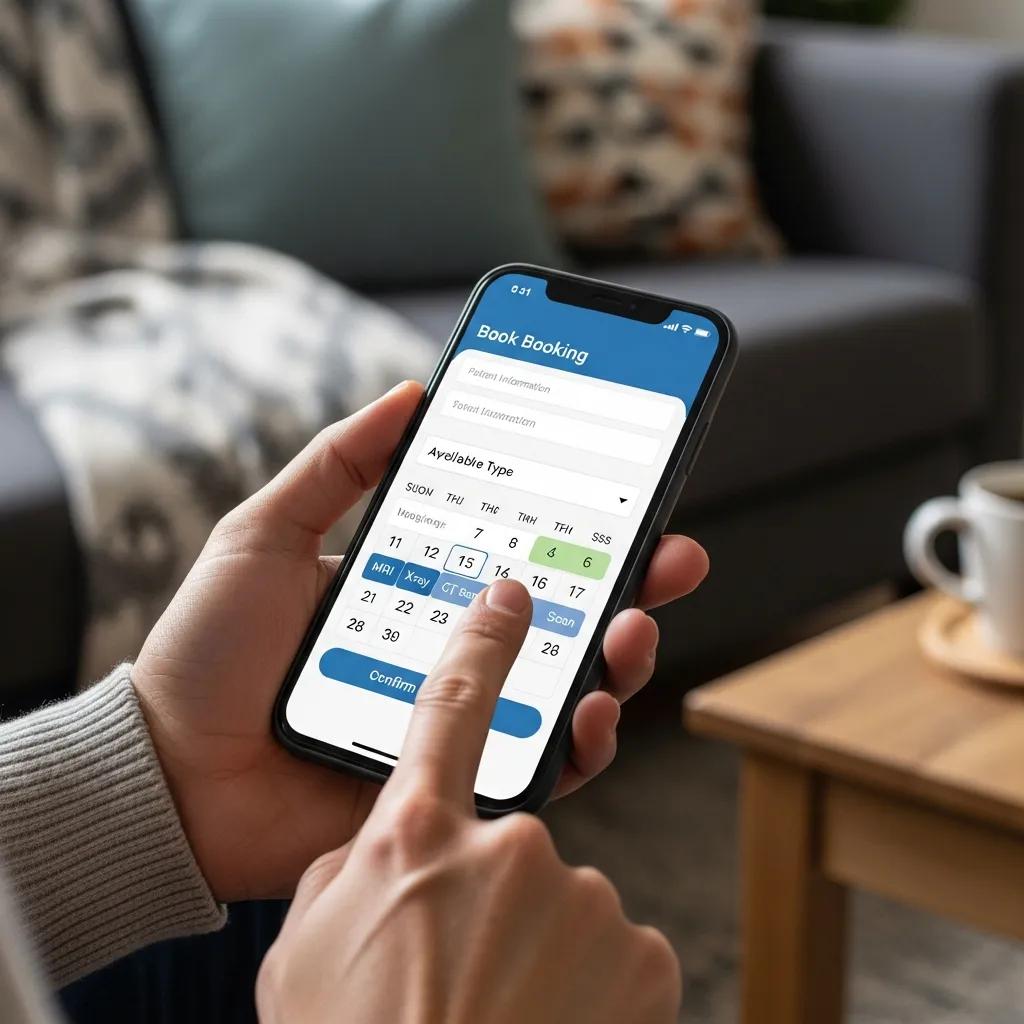
Booking is straightforward once you have a valid referral and know the required modality. Patients and referrers can book by phone or online. Patients should confirm referral details, preferred clinic and any arrival or fasting instructions; referring clinicians can submit eReferrals with clinical information to speed triage and protocoling. Life Medical Imaging Central Coast accepts online bookings and eReferrals, and clinic telephone numbers are available for enquiries. Preparing paperwork in advance reduces delays and helps ensure the correct scan is scheduled.
What are the steps to request a diagnostic imaging appointment near me?
Follow these simple steps to book: check your referral, choose the clinic that offers the service you need, contact the clinic to schedule and confirm preparation, then plan your arrival and transport. Make sure the referral specifies the modality and the clinical question so the clinic can select the right protocol. If contrast may be used, let reception know about allergies or kidney concerns when booking. On confirmation, note arrival time, fasting or medication instructions, and bring identification and your referral.
- Check your referral for the requested modality and clinical details.
- Choose a local clinic that provides the required service and suits your location.
- Call the clinic to book, giving referral details and any medical alerts.
- Confirm preparation instructions and your arrival time before the appointment.
Following these steps helps the clinic prepare equipment and staff so your imaging is efficient and safe.
How do referring doctors use the eReferral system for local imaging services?
Referrers can submit eReferrals with clinical history, requested modality and urgency so the imaging centre can triage and schedule appropriately. Include the clinical question, relevant prior imaging and any contraindications such as contrast allergies or recent procedures. The centre will use the eReferral to set protocol, appointment type and any pre‑appointment checks; reports and images are then returned electronically. Clear referral details and correct urgency coding help clinics allocate resources and speed reporting.
Referrer checklist for eReferral submissions:
- Include the clinical question and a brief relevant history.
- Attach prior imaging or reports when available.
- Flag any contrast allergy or renal impairment clearly.
Using eReferral improves communication, reduces scheduling friction and supports faster access to diagnostic reports for ongoing patient care.
What should I know about preparing for medical imaging procedures near me?
Preparation varies by test but follows common themes: confirm fasting or medication instructions, wear comfortable clothing without metal and bring your referral and identification. Safety checks such as pregnancy status and contrast questions are routine for CT and some interventional procedures, and clinics will ask about allergies and kidney function when relevant. Following preparation instructions improves image quality, reduces repeat scans and supports patient safety. The table below summarises common preparation notes for quick reference before appointments.
Arriving prepared helps your appointment run smoothly and reduces the chance of delays or rescheduling. Always follow the clinic’s specific instructions provided at booking.
How do I prepare for CT scans, ultrasounds and X‑rays at local clinics?
Preparing for CT, ultrasound and X‑ray focuses on reducing artefact and ensuring safety when contrast is used. For CT with contrast, clinics will check allergies and kidney function and may ask you to fast. Abdominal ultrasound often requires fasting, while pelvic scans may need a full bladder. X‑ray preparation is minimal but wearing metal‑free clothing and bringing prior imaging can help. Be sure to discuss any health concerns during booking so staff can advise on the right preparations.
Are medical imaging procedures near me safe and comfortable?
Modern imaging emphasises safety through dose optimisation, appropriate protocols and patient comfort measures. Low‑dose CT options and accredited quality systems help reduce risk. Staff explain procedures, protect privacy and support patients throughout scans, using paediatric‑friendly techniques to ease children’s anxiety. If you have claustrophobia or severe anxiety, clinics can discuss comfort strategies and whether sedation is appropriate — policies vary, so raise concerns when booking. Clear communication and adherence to safety protocols keep procedures as comfortable and safe as possible.
What patient resources and support are available at local imaging facilities?
Local imaging centres offer patient resources such as preparation guides, FAQs, feedback channels and referrer resources to help patients and clinicians navigate appointments and results. These materials explain common procedures, safety checks and reporting timelines, and often include downloadable preparation instructions. Patient support also covers contact points for report queries, billing questions and appointment changes so issues can be resolved quickly. The list below highlights the main support resources available.
Typical patient resources available locally:
- Preparation guides for CT, ultrasound, X‑ray and DEXA.
- FAQ pages covering safety, contrast and pregnancy concerns.
- Contact options for appointment changes and report enquiries.
Where can I find answers to common questions about local medical imaging services?
Common questions usually cover safety, preparation and result timing. Clinics provide concise guidance on these topics to reduce delays and set expectations — for example, whether scans are safe during pregnancy, how long reports take, and what to do about contrast allergies. Clinics point patients to preparation sheets and ask them to contact reception for modality‑specific instructions. Clear, accessible answers help patients arrive prepared and understand next steps after imaging.
How can I provide feedback or contact local radiology clinics near me?
We welcome feedback and enquiries by phone or via clinic feedback forms. When giving feedback, include the appointment date, service type and any staff details to help the clinic investigate and respond. Clinics use feedback for quality improvement, staff training and to refine patient information. If you want a reply, state your preferred contact method so the clinic can respond promptly.
- Describe the issue with date, service and any staff details.
- State the outcome you’re seeking or whether you want more information.
- Provide a contact phone number or email for follow‑up.
Structured feedback helps clinics act on concerns and improves the experience for future patients.
Why choose Life Medical Imaging Central Coast for nearby diagnostic imaging?
Life Medical Imaging Central Coast offers multiple convenient locations across the region, a broad service menu and accredited quality systems with modern imaging technology. NATA accreditation, a comprehensive range of modalities — including CT (cardiac and angiography), specialist ultrasound, DEXA and interventional procedures — and a local clinic footprint support both patients and referring clinicians. Patient‑centred processes, subspecialist expertise in women’s, paediatric and cardiac imaging, and a focus on dose optimisation are key strengths that build trust for local diagnostic needs. If you want accessible, accredited imaging close to home, our combination of locations and services supports timely, local care pathways.
What advanced technologies and expertise are offered at local imaging centres?
Local centres use modern equipment such as low‑dose CT protocols, high‑resolution ultrasound systems and digital X‑ray detectors to enhance diagnostic clarity while minimising risk. Subspecialist radiologists and experienced sonographers offer focused expertise for complex cases, and advanced post‑processing supports detailed cardiac and vascular assessments. These technologies, combined with skilled staff, produce actionable reports that inform clinical decisions. Low‑dose strategies and accredited quality systems ensure technology is used safely and effectively for patients.
Technology and expertise highlights:
- Low‑dose CT protocols to reduce radiation exposure.
- High‑resolution ultrasound for obstetric, vascular and musculoskeletal imaging.
- Digital X‑ray and DEXA for efficient skeletal assessment.
How does Life Medical Imaging ensure quality and patient‑centred care near me?
Quality assurance is demonstrated through accreditation and standardised protocols, with ongoing staff training and feedback loops to maintain consistent service delivery. NATA accreditation shows compliance with national testing and calibration standards, underpinning reliable imaging and reporting. Patient‑centred measures include clear preparation instructions, timely report turnaround and straightforward channels for feedback and enquiries. Together, accreditation, specialist reporting and responsive processes create a local imaging service that supports safe, consistent and patient‑focused diagnostics.
This table summarises how quality systems translate into clear benefits for patients and referrers, reinforcing trust in local diagnostic care.
Frequently asked questions
What should I expect during my first visit to a medical imaging facility?
On your first visit you’ll check in at reception and provide your referral and photo ID. Staff will explain the process for your specific scan, and depending on the test you may change into a gown and remove metal items. The radiographer or sonographer will talk you through the procedure, make sure you’re comfortable and answer any questions before starting.
Are there any age restrictions for medical imaging procedures?
There are generally no strict age limits. Protocols are adapted for children and older adults as needed. Paediatric patients benefit from child‑friendly techniques and staff trained to reduce anxiety; elderly patients may receive mobility support and clear communication about any pre‑existing conditions. Talk with your referrer or the clinic about individual needs.
How can I access my imaging results after the procedure?
Results are usually sent to your referring doctor, who will discuss them with you. Some clinics offer patient portals where you can view reports online. If you need copies of images or reports, request them from the facility — this may require a signed release. Check with the clinic for their specific process and expected reporting time.
What should I do if I have a fear of medical imaging procedures?
If you feel anxious, tell the clinic staff when booking or at arrival. They can explain the steps, offer reassurance and suggest comfort measures. Some procedures may be suitable for mild sedation — policies vary, so discuss options beforehand. Breathing techniques and asking questions can also help reduce stress during the scan.
What happens if I need to cancel or reschedule my appointment?
If you need to cancel or reschedule, contact the clinic as soon as possible. Most clinics ask for 24–48 hours’ notice so the slot can be offered to another patient. When rebooking, have your referral details ready and confirm any preparation instructions for the new appointment.
Are there any costs associated with medical imaging procedures?
Yes — costs depend on the type of scan, the clinic and your health insurance. Check with your insurer to understand what’s covered and ask the clinic about likely out‑of‑pocket costs. Some centres offer payment plans or financial assistance for eligible patients. Confirm fees at booking to avoid surprises.
What should I do if I experience discomfort during the imaging procedure?
If you feel discomfort, tell the technician immediately. They monitor patient comfort and can pause or adjust the procedure if needed. Your safety and wellbeing are priorities, so don’t hesitate to speak up at any time during the scan.
Conclusion
Accessing local medical imaging on the Central Coast gives you timely, convenient diagnostic care close to home. With a broad range of modalities and accredited clinics that prioritise safety and comfort, you can expect clear preparation guidance, specialist reporting and timely results. Follow the booking and preparation steps outlined here to make your visit straightforward — and if you need help, your local Life Medical Imaging Central Coast clinic is ready to assist. Take the next step for your health today.