


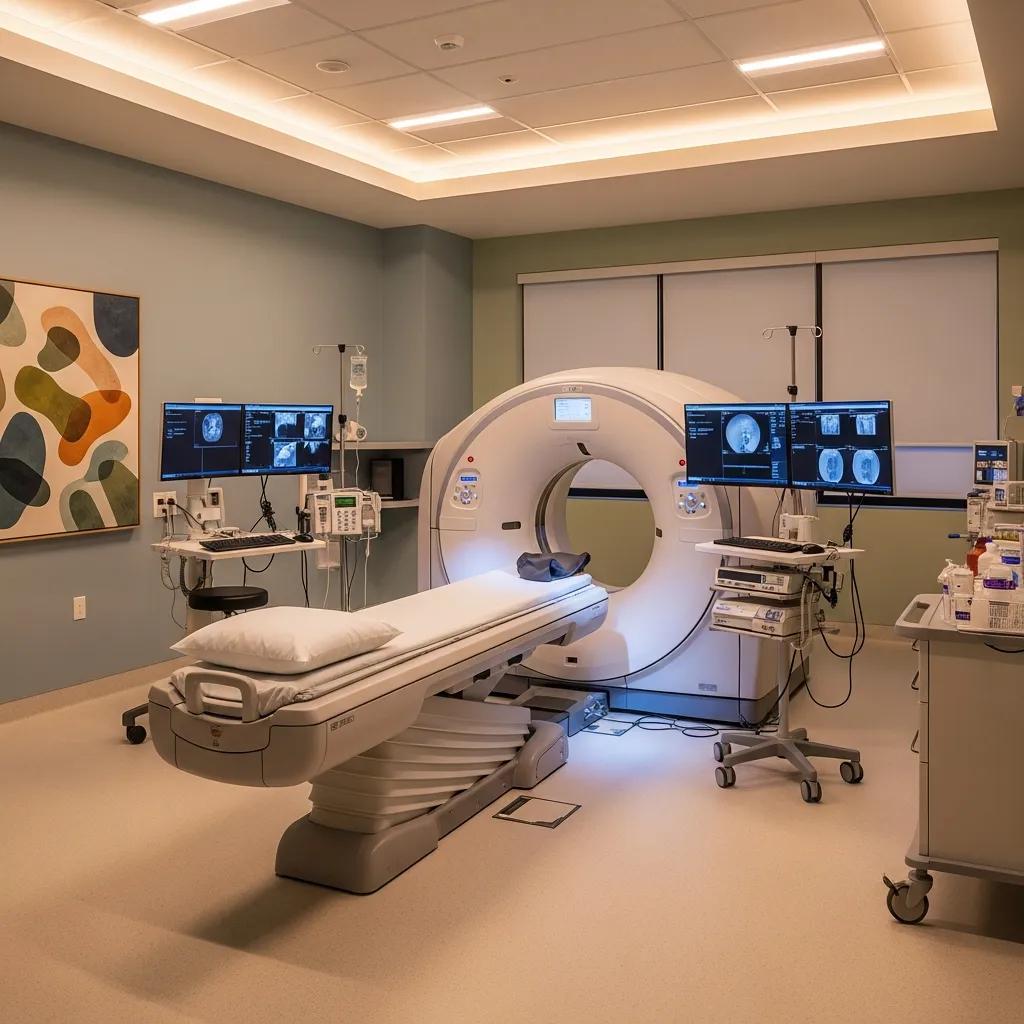
How to Book a CT Scan — Your Complete Guide to Appointments, Preparation, Costs and Insurance
A CT (computed tomography) scan is a non‑invasive test that uses multiple X‑ray measurements to create detailed cross‑sectional images of the body. These images help clinicians identify injuries, disease and internal anatomy quickly. This guide explains how CT works, why prompt scheduling can matter for diagnosis and treatment, and how to navigate bookings, preparation, likely costs and insurance so you arrive informed and ready. We answer common questions — do I need a GP referral, how to prepare for contrast scans, and what out‑of‑pocket costs to expect — and point to local options on the Central Coast for booking and enquiries. Inside you’ll find clear booking steps, practical preparation checklists for standard and contrast CTs, an overview of cost drivers and rebate considerations, descriptions of common CT types and when they’re used, balanced advice on benefits and risks (including low‑dose technology), plus concise FAQs to ease any nerves before your appointment. Keywords such as “book CT scan online”, “CT scan appointment near me”, “CT scan preparation tips” and “CT scan Central Coast” are included to help you find the right information quickly.
How do I book a CT scan appointment online or by phone?

You can usually book a CT scan either through an imaging clinic’s online appointment request form or by calling the centre. The first thing to check is whether your referral from a GP or specialist is required. Online forms typically ask for referrer details, preferred site and your availability; calling lets staff advise on urgency, the documents you’ll need and any preparation. Some urgent or same‑day CTs are available for acute issues, while elective scans are scheduled based on clinical priority and scanner availability. Knowing these pathways ahead of time helps you gather referral paperwork and clinical notes so booking is quick and the team can choose the right scan protocol.
Managing scheduling effectively helps clinics reduce wait times and make best use of resources.
Optimising CT Scan Scheduling Workflows for Efficiency
Efficient scheduling of MRI and CT appointments plays a key role in improving patient flow and resource use in hospitals. This study reviewed scheduling workflows across two hospitals to identify bottlenecks and opportunities for improvement, and highlights how delays in scheduling can affect waiting times for diagnostic imaging.
Evaluating MRI and CT scan scheduling workflows: A retrospective analysis, M Almanaa, 2024
What are the steps to schedule a CT scan at Life Medical Imaging Central Coast?
To book with Life Medical Imaging Central Coast you’ll normally need a valid GP or specialist referral and some basic personal and clinical details. This ensures our radiology team selects the correct protocol and contrast plan. For online requests, provide the referrer’s details, preferred Central Coast location, reason for referral and any special access needs; we’ll confirm the booking and advise on preparation. If you phone, have your referral, Medicare card and private health fund details handy and be ready to describe symptoms or urgency so staff can prioritise correctly. Allow a short lead time for checks such as recent kidney function for contrast studies, and follow any fasting or medication advice given before your scan.
Can I book a private CT scan near me on the Central Coast?
Yes. Private imaging centres on the Central Coast offer an alternative to public hospital pathways and can give faster access for non‑emergency investigations when clinically appropriate. Some private clinics accept self‑referral in particular situations, but insurers and referrers commonly expect a formal GP or specialist referral to support Medicare rebates and ensure the correct clinical item number. Choosing a private clinic lets you pick a convenient Central Coast location and often offers online requests or phone bookings for ease. Before you book, check your insurance policy for rebate eligibility and whether any pre‑authorisation or referrer documentation is required.
What are the preparation guidelines for a CT scan?
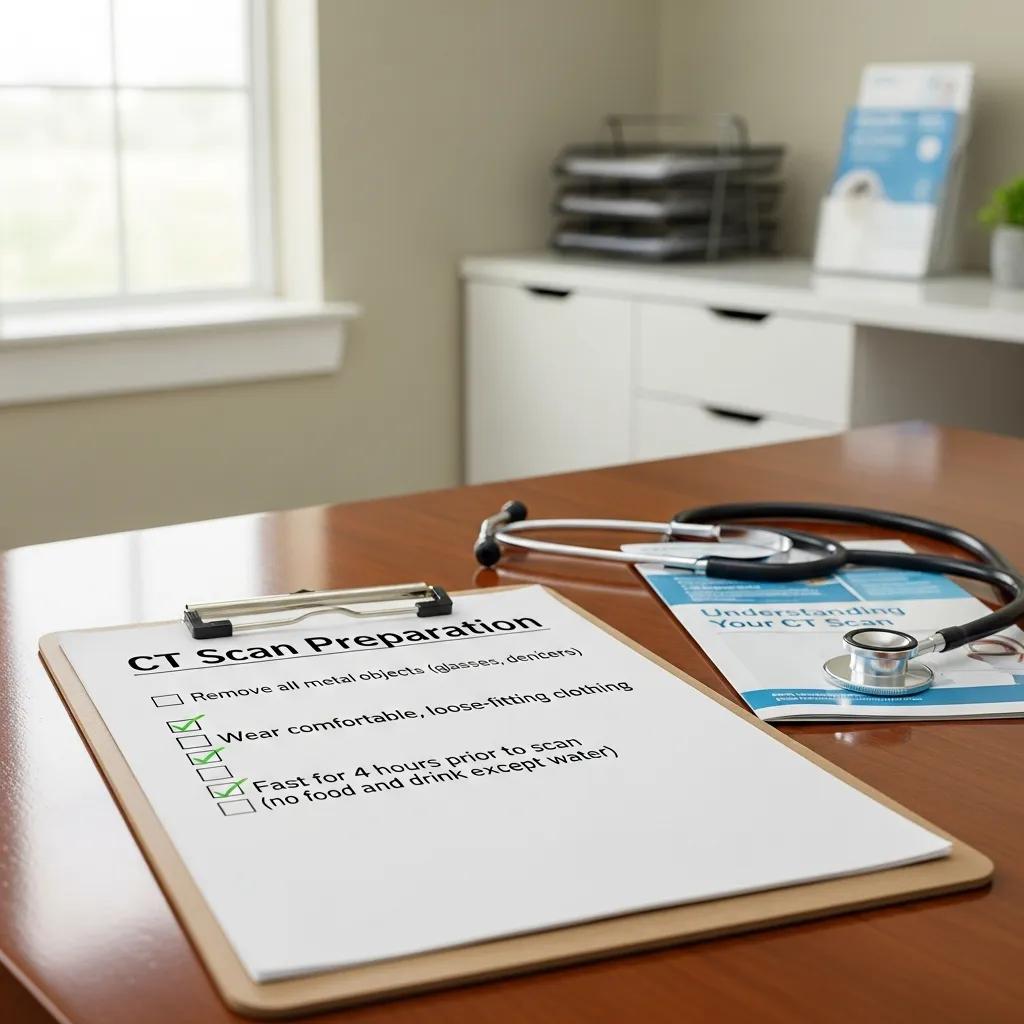
Good preparation helps improve image quality, reduces risk and ensures staff can follow the correct protocol. Basic preparation usually covers clothing advice, possible fasting for some studies, and medication checks. For scans needing contrast, additional steps include allergy screening, checking kidney function when indicated, and following clinic guidance on hydration or fasting. On arrival you’ll complete identity checks, a short clinical questionnaire (for pregnancy, implants or allergies) and give consent for contrast if required. Clear communication with the radiographer on the day helps everyone keep the appointment on time and the imaging accurate.
- Wear clothing without metal fastenings, remove jewellery and choose comfortable garments for the scan.
- For contrast studies, clinics may ask for recent kidney function results or offer a point‑of‑care test to confirm safety.
- If you have diabetes, are pregnant or take certain medications, tell the clinic in advance so they can give tailored advice.
This checklist summarises typical actions to take before your CT appointment and introduces the more specific low‑dose and contrast instructions below.
How should I prepare for a low dose CT scan?
Low dose CT uses optimised scanner settings and reconstruction techniques to reduce radiation while keeping useful diagnostic detail. Preparation is similar to a standard CT. Wear comfortable, metal‑free clothing and bring your referral and ID; fasting is rarely needed for non‑contrast low‑dose scans. The radiographer will review your medical history and check for any contraindications. For repeat imaging or paediatric cases, we place extra emphasis on dose‑reduction strategies and will discuss these during consent. Low dose protocols are particularly helpful for surveillance imaging or when cumulative exposure is a concern.
What are the instructions for CT scans with contrast dye?
Scans that use intravenous or oral contrast need extra precautions. You may be asked to fast for a few hours, hydrate well beforehand and provide recent kidney function results if requested. Staff will screen for prior reactions to contrast, review medications such as metformin, and explain common immediate sensations — a brief warm feeling or metallic taste — which usually pass quickly. After contrast, we observe patients for a short period to spot and manage any reactions, and we’ll give aftercare advice such as drinking fluids to help clear the contrast when appropriate. Tell the radiology team about allergies, thyroid issues or kidney disease before your appointment so contrast can be used safely.
Recent guidance advises that routine fasting before routine intravenous contrast may not be required in most cases.
CT Scan Contrast Preparation: Fasting No Longer Recommended
Evidence has challenged traditional fasting policies before iodinated contrast for CT. Current European and American guidelines (ESUR V10.0 and ACR 2021) state routine pre‑procedural fasting is not required for standard IV contrast administration. This review summarises global practice changes and the reasoning behind reduced fasting recommendations.
Preprocedural fasting for contrast-enhanced CT: when experience meets evidence, 2021
What is the cost of a CT scan in Australia and how does insurance coverage work?
Costs for CT scans depend on the body region imaged, whether contrast is required, the urgency of the appointment and whether the scan is done in a private clinic or public hospital. These factors affect billing and rebate eligibility. Medicare may rebate many CT services when a valid GP or specialist referral is provided, but you may still face out‑of‑pocket costs depending on the provider’s billing practice and any private health cover. Private health insurance often includes imaging benefits for inpatient care and may cover outpatient CTs depending on your level of cover and exclusions; check with your insurer about excesses, inclusions and pre‑authorisation. For exact pricing or a written quote, contact your chosen imaging provider — they can outline expected fees and possible rebates based on your referral and the specific protocol.
This table highlights common cost drivers across CT types and why contacting your imaging clinic for a tailored quote is recommended.
How much does a CT scan cost on the Central Coast?
Fees on the Central Coast vary between private imaging centres and public hospitals. The best way to get an accurate estimate is to contact your chosen provider or discuss costs with your GP at the time of referral. Clinics will explain whether Medicare rebates apply, any additional technical or reporting fees, and how private health cover might reduce out‑of‑pocket expenses. Having your referrer’s letter ready speeds the process. When booking, ask for a written quote and about payment options, including any instalment or self‑pay arrangements if available.
Does Medicare or private health insurance cover CT scans?
Medicare generally rebates diagnostically indicated CT scans when a valid referral accompanies the request. The rebate amount depends on the specific item number and clinical justification; consult Medicare guidance or your referrer for eligibility. Private health insurance may cover some or all costs depending on whether the scan is inpatient or outpatient and your level of cover, with possible excesses and exclusions. Call your insurer before booking to confirm cover, and ask the clinic what documentation supports a rebate claim or insurer pre‑authorisation. If you’re unsure, request a written fee estimate and instructions for claiming rebates or insurer benefits.
What types of CT scans can I schedule and what are their uses?
CT covers a wide range of specialised protocols: routine head and chest imaging, abdominal and pelvic studies, cardiac CT and CT angiography for blood vessels, and paediatric‑specific protocols. While the core hardware — a rotating scanner and detectors — is similar across studies, protocols differ by contrast use, timing, ECG gating for cardiac work and reconstruction techniques emphasising soft tissue, bone or vasculature. Knowing the common types helps you and your referrer choose the right study for symptoms such as acute abdominal pain, suspected pulmonary embolus or possible coronary disease. Clinics can advise which protocol matches your referral and confirm the correct preparation at booking.
Which CT scan types are available at Life Medical Imaging Central Coast?
Life Medical Imaging Central Coast offers a wide range of CT services for common clinical needs, including low dose CT protocols, cardiac CT and CT angiography, paediatric imaging and standard regional studies (head, chest, abdomen). Our services reflect modern CT capabilities with an emphasis on dose optimisation and diagnostic quality for routine and specialist referrals. When you book, tell us the referrer’s request and any special needs such as paediatric care or urgent reporting so we can allocate the right scanner and appointment time. Our booking team can advise on availability, pre‑scan instructions and site‑specific services across Central Coast locations.
When is a cardiac CT or CT angiography recommended?
Cardiac CT and CT angiography are used when non‑invasive visualisation of coronary arteries, cardiac anatomy or vascular structures will guide diagnosis or management. Common uses include assessment for coronary artery disease, selected chest pain evaluations and pre‑procedural planning. These studies usually require IV contrast and ECG gating to time images with the cardiac cycle, and sometimes heart‑rate control medication to optimise image quality. Compared with invasive coronary angiography, cardiac CT is non‑invasive and can quickly exclude significant disease in lower‑to‑intermediate risk patients; invasive angiography remains the gold standard when intervention or pressure measurements are needed. Discuss with your referrer whether cardiac CT is the right test for you and confirm preparation with the imaging clinic when booking.
What are the benefits and risks of scheduling a CT scan?
CT gives fast, high‑resolution views of internal anatomy, improving diagnosis, guiding interventions and monitoring treatment. Its speed and level of detail make it invaluable in many acute and elective settings. However, CT uses ionising radiation and contrast agents can cause rare allergic reactions or affect kidney function in susceptible people. Balancing diagnostic benefit against these small risks is standard practice. Modern advances — low dose CT, iterative reconstruction and AI‑assisted processing — help reduce radiation while maintaining image quality, which is especially important for repeat imaging and children. Radiology teams follow screening and safety protocols (allergy checks, renal function assessment and trained staff) to keep patients safe and ensure imaging is used appropriately.
- Diagnostic benefit: CT provides clear anatomical detail that helps clinicians make timely decisions.
- Radiation risk: Contemporary dose optimisation reduces exposure compared with older scanners, though cumulative dose is still considered.
- Contrast risks: Allergic reactions are uncommon and usually manageable; kidney checks help reduce contrast‑related risk.
CT offers powerful diagnostic information, but it’s reasonable to be aware of radiation dose and related risks.
CT Scan Radiation Dose and Health Risks Explained
High‑quality CT imaging is becoming more common because it speeds diagnosis and gives precise anatomical detail. Nevertheless, CT uses ionising radiation and carries a small associated health risk. Typical CT doses range from about 1–14 mSv depending on the exam — comparable in some cases to annual background radiation levels — and should be considered alongside the clinical benefit. Ongoing research and dose‑reduction strategies aim to keep risks as low as reasonably achievable while preserving diagnostic value.
Strategies for reducing radiation dose in CT, CH McCollough, 2009
How does low dose CT technology improve safety?
Low dose CT reduces radiation through hardware improvements, smarter acquisition settings and advanced image reconstruction that preserves diagnostic detail at lower dose. Clinically, this makes follow‑up scans and screening safer when repeat imaging is needed. For children and young adults we adjust protocols for body size and clinical need to minimise exposure without sacrificing necessary information. If you have concerns about radiation, talk to the imaging team — they’ll choose the most appropriate low dose protocol for your situation.
What are the potential risks and how are patients protected?
Risks from CT include radiation exposure and contrast reactions, but clinics use multiple safeguards: pre‑scan screening, renal function checks where appropriate, informed consent for contrast, and emergency procedures for adverse events. Many centres hold accreditation and follow quality systems so staff use evidence‑based protocols and are trained for complications. If we identify increased risk (impaired renal function, pregnancy or severe allergy), we may recommend alternatives, delay elective imaging or change the protocol to keep you safe. Providing a complete medical history and medication list at booking and on arrival helps the team protect you effectively.
What are the common questions about scheduling and preparing for a CT scan?
People often ask about how long a scan takes, what to bring, how results are delivered and what to expect on the day. Clear answers reduce anxiety and help the clinic run on time. Common concerns include whether a referral is needed, how quickly an urgent appointment can be arranged, whether Medicare rebates apply, and what ID or documentation to bring. The short Q&A below covers the most frequent logistical questions so you can come prepared and informed.
How long does a CT scan take and what should I expect?
Your appointment usually includes check‑in, any preparation (for example cannulation for contrast), the scan itself — often a few minutes — and a short post‑scan observation for contrast studies. Total clinic time typically ranges from 20 minutes to an hour depending on the study. Image acquisition is quick, with some focused scans done in under a minute; multiphase or contrast exams take longer for contrast administration and monitoring. Radiographers will explain each step, position you comfortably and give clear breathing instructions during breath holds. At the end of your visit you’ll get information about reporting and how results will reach your referring doctor.
What should I bring to my CT scan appointment?
Bring your referral letter or form, photo ID, Medicare card if applicable, and any private health insurance details you plan to use. Also bring a list of current medications and recent kidney function results if the clinic requested them. If you have prior imaging relevant to this referral, bring or arrange for those images to be available — comparisons can help the radiologist. For children or people needing assistance, bring a support person and any consent or guardianship documents. Let the clinic know ahead of time about mobility needs or language support so they can prepare. Having these items ready speeds up checks and keeps your appointment running smoothly.
- Bring a valid referral and ID: This helps secure Medicare rebates and ensures correct patient matching.
- Bring medication list and insurance details: Staff use this information to assess contrast suitability and billing.
- Bring any recent test results: Kidney function tests are important for contrast studies and can save time on the day.
For enquiries or to request an appointment on the Central Coast, Life Medical Imaging Central Coast accepts online appointment requests and direct phone enquiries; call 02 4326 7000 to discuss availability, referral requirements and site‑specific preparation. Our clinics operate at multiple Central Coast locations, offer ultra‑low dose CT and specialist studies including cardiac CT and CT angiography, and are accredited to national quality standards to reassure you about safety and reporting. If you need current pricing or a quote for a particular CT protocol, contact our bookings team who can outline estimated fees, likely rebates and any insurer pre‑authorisation steps to take before your appointment. This practical support complements the clinical guidance above and helps you turn preparation into a confirmed booking.
Frequently Asked Questions
What should I do if I have a fear of enclosed spaces during a CT scan?
If you feel anxious or claustrophobic, tell us before your appointment. Many clinics offer wide‑bore scanners that feel more open, and staff are experienced in supporting anxious patients. If needed, speak with your doctor about a mild sedative ahead of time. Our radiography team will provide reassurance and guidance throughout the process to help you stay comfortable.
Can I eat or drink before my CT scan?
It depends on the type of scan. For most non‑contrast scans, fasting is not required. If your scan uses contrast dye, you may be asked to fast for a few hours beforehand — follow the instructions given by your imaging centre as they tailor guidelines to the specific test and your health needs.
How will I receive my CT scan results?
A radiologist reviews your images and prepares a report that is sent to your referring doctor. Your referrer will discuss the results and any next steps with you. Urgent findings are communicated more quickly, and some clinics also offer online patient portals where you can view reports — ask about this when you attend.
What happens if I need to cancel or reschedule my CT scan?
If you need to cancel or move your appointment, contact the imaging centre as soon as possible. Most clinics ask for 24–48 hours’ notice to avoid cancellation fees and to free the slot for other patients. Ask about the centre’s specific cancellation policy when you book.
Are there any age restrictions for CT scans?
CT scans are performed at all ages, including infants and children. Paediatric protocols are used to minimise radiation exposure and protect young patients. If a CT is recommended for a child, the referrer will discuss benefits and risks and the imaging centre will follow strict safety guidelines.
What should I do if I have allergies to contrast dye?
Tell your referrer and the imaging staff about any known contrast allergies before the scan. We may recommend pre‑medication, an alternative imaging method or use different contrast agents depending on your history. Providing a full medical history, including previous reactions, helps us plan a safe approach.
Can I bring someone with me to my CT scan appointment?
Yes — you can usually bring a support person. They can help with transport and provide emotional support. Some clinics limit numbers in the scanning area for safety and space reasons, so check the centre’s visitor policy when you book.
Conclusion
Booking a CT scan is a straightforward step towards timely diagnosis and treatment. Knowing what to expect — from preparation and costs to insurance and results — reduces stress and helps your appointment run smoothly. If you’d like help or want to book a scan at Life Medical Imaging Central Coast, contact our friendly team today. We’re here to guide you through the process with clear advice and compassionate care.