


ATAR for Radiography: Entry Scores and Career Pathways in Australia
The Australian Tertiary Admission Rank (ATAR) is a key factor in gaining entry to undergraduate radiography and medical imaging degrees. It influences which universities you can apply to and how quickly you move into clinical training. This guide explains what ATAR typically means for prospective students, gives representative selection ranks used by Australian universities, and lays out the step‑by‑step pathway from study to registration and employment as a diagnostic radiographer. Many readers want clear, localised advice linking school results with practical clinical placements and early‑career roles; the sections below do just that and add employer perspectives relevant to the Central Coast. You’ll find concise ATAR ranges and a comparison table, an overview of degree types and specialisations, a compact pathway to become a diagnostic radiographer, a realistic summary of everyday practice on the Central Coast with placement notes from local employers, and a forward look at technology and job prospects to help you decide which skills to build. By the end you’ll understand typical entry scores, how courses lead to supervised practice, which clinical skills employers value, and how local imaging centres support early‑career development.
What ATAR Scores Are Needed for Radiography and Medical Imaging Courses in Australia?
Universities commonly use ATAR as a primary selection rank for undergraduate medical imaging degrees — it’s a comparative measure of Year 12 performance used to make offers. Selection ranks for radiography and medical imaging vary considerably: some programs admit students with mid‑60s ATARs while the most competitive direct‑entry places sit in the high‑80s to mid‑90s, depending on demand and intake size. Remember that ATAR is often considered alongside prerequisites (for example, senior science subjects) and other assessments, and that alternative entry routes — bridging diplomas, vocational qualifications or postgraduate conversion — can bypass a strict ATAR cutoff. Practically, aim for strong Year 12 results while you research each course’s selection rank and any supplementary requirements. The table below shows representative selection ranks and common alternative pathways across Australian providers.
These sample ranges show that while some established programs require high selection ranks, there are multiple pathways to professional training for applicants who don’t meet direct ATAR thresholds.
What Is the ATAR and Why Is It Important for Radiology Courses?
ATAR (Australian Tertiary Admission Rank) is a percentile that ranks a student against their Year 12 cohort. It converts scaled subject scores into a single rank between 0.00 and 99.95, which universities use alongside prerequisites, interviews or portfolio evidence when making offers. For radiography, ATAR signals academic readiness for a science‑heavy curriculum — anatomy, radiation physics and clinical problem solving — but it’s rarely the only selection factor. State differences and alternative entry routes mean students who miss direct ATAR thresholds can often access programs through bridging diplomas, VET pathways or postgraduate conversion courses. Knowing how ATAR works helps you plan Year 12 subject choices and backup routes into accredited medical imaging programs.
What Are Typical ATAR Ranges for Radiography Degrees at Australian Universities?

Typical selection ranks for radiography and medical imaging vary widely — from mid‑60s for some pathway‑friendly courses up to mid‑90s for the most competitive direct‑entry places. Metropolitan research universities with large clinical partner networks often have higher selection ranks, while regional campuses and conversion pathways may admit students with lower ranks plus demonstrated vocational experience. Always check the current selection rank and any prerequisite subjects, interviews or portfolio requirements for the courses you’re considering. The practical takeaway: aim for the best possible ATAR, but explore bridging and postgraduate routes that convert practical experience into entry.
Representative comparison of sample selection ranks and entry pathways:
The table highlights that selection ranks differ by provider and that alternative pathways are viable for many applicants.
Which Universities Offer the Best Radiography and Medical Imaging Courses in Australia?
“Best” depends on measurable course features: accreditation, clinical placement quality, the range of modalities available for student training, and graduate outcomes that reflect employability. Providers with strong clinical networks and modern facilities tend to be highly regarded. When choosing a program, give priority to accreditation by the relevant professional authority, clear placement arrangements and proximity to clinical sites — these factors shape readiness for registration and supervised practice. Strong industry partnerships also increase placement availability and diversity of experience.
When evaluating programs, place special emphasis on placement quantity and variety — hands‑on experience across CT, ultrasound and X‑ray directly supports employability and skill growth.
- Clinical placement quality and supervision
- Accreditation and alignment with professional registration requirements
- Availability of modern modality equipment for student learning
Picking a university with robust clinical partnerships often shortens the move from study to entry‑level employment, especially in regions where local employers value placement‑ready graduates.
What Bachelor Degrees Are Available for Medical Imaging and Radiography?
Common undergraduate degree titles include Bachelor of Medical Imaging and Bachelor of Medical Radiation Science. These three‑ to four‑year programs blend science, imaging physics and supervised clinical placements. Core subjects typically cover anatomy, physiology, radiation physics, imaging modalities (CT, X‑ray, ultrasound), and professional practice and ethics, with progressive placements that increase student responsibility. Degrees normally finish with workplace assessments to confirm practical competency before graduates enter supervised practice or early‑career roles. Always confirm program accreditation and placement arrangements — they determine readiness for registration and clinical work.
Knowing a degree’s structure helps you identify available specialisations and how postgraduate options can expand your skillset.
What Postgraduate and Specialisation Pathways Exist in Radiology?
Postgraduate routes include honours years, graduate‑entry Master’s programs and coursework or research degrees that enable specialisation in CT, MRI, ultrasound or interventional procedures. Many advanced roles require employer‑supported training and additional supervised practice — for example, cardiac CT or musculoskeletal ultrasound often involve targeted postgraduate coursework plus supervised clinical cases. Career progression typically moves from general diagnostic radiography into modality‑focused roles, clinical education, or interventional assistance, with corresponding changes in responsibility and pay. Choosing an undergraduate degree with clear links to postgraduate opportunities helps you plan long‑term career development.
Undergraduate grounding plus postgraduate specialisation is the usual path for advancing in medical imaging.
How Do You Become a Diagnostic Radiographer in Australia?
The pathway to becoming a diagnostic radiographer is straightforward in stages: complete an accredited undergraduate degree or recognised postgraduate conversion, undertake required supervised practice or early professional development, and meet registration or professional membership requirements. This sequence ensures you have the theory, clinical skills and radiation safety knowledge needed for safe practice. Practical tips: secure strong clinical placements, develop patient‑centred communication, and engage with professional bodies for continuing professional development. The short checklist below captures the essential stages from school to entry‑level practice.
- Complete an accredited bachelor or recognised postgraduate medical imaging degree with embedded clinical placements.
- Undertake supervised practice or early-career professional development as required by registration/accreditation authorities.
- Meet registration and professional membership requirements to practise as a diagnostic radiographer.
These steps show the typical route from qualification to professional practice; the next section summarises training stages and formal requirements.
What Are the Key Training and Qualification Requirements?
Training for diagnostic radiographers generally includes academic coursework, staged clinical placements, supervised competency sign‑offs and ongoing continuing professional development to maintain skills and registration. Universities must run accredited programs that meet the Medical Radiation Practice Board of Australia’s standards, and students are assessed on practical competence in modalities such as CT, X‑ray and ultrasound during placements. Many graduates enter a period of supervised practice or structured professional development where employers confirm readiness for independent duties. Registration or membership of professional bodies clarifies scope of practice. The table below summarises training stages, typical durations and key credentials.
This summary shows that education plus supervised clinical experience is the core route to registration, with specialisation layered on afterwards.
Local clinical providers play a key role in placements and early‑career recruitment. Life Medical Imaging Central Coast is an independent radiology clinic accredited by NATA that offers a wide range of diagnostic and interventional services — ultra‑low dose CT, cardiac CT, CT angiography, digital X‑ray, general and specialised ultrasound, interventional procedures, paediatric imaging, DEXA bone densitometry and PRP injections. The clinic’s Careers and Education pages position it as a practical bridge for students seeking placements or local employment; contacting local clinics about placements or career opportunities helps align university training with workplace experience.
What Is the Difference Between a Radiographer and a Radiologist?
A diagnostic radiographer is a registered health professional who operates imaging equipment, prepares patients and produces diagnostic images across modalities such as X‑ray, CT and ultrasound, with a focus on safe imaging practice and patient care. A radiologist is a medical doctor who specialises in interpreting images, reporting diagnoses and performing image‑guided procedures; they complete medical school followed by specialist radiology training. Training timelines differ substantially: radiographers typically complete a 3–4 year undergraduate or postgraduate pathway with clinical placements, while radiologists undertake many more years of medical and specialist training. In daily practice radiographers and radiologists work closely — radiographers ensure image quality and patient safety, while radiologists provide interpretation and clinical decision support.
This distinction helps you choose the education pathway that matches your career goals.
What Is a Day in the Life of a Radiographer on the Central Coast?
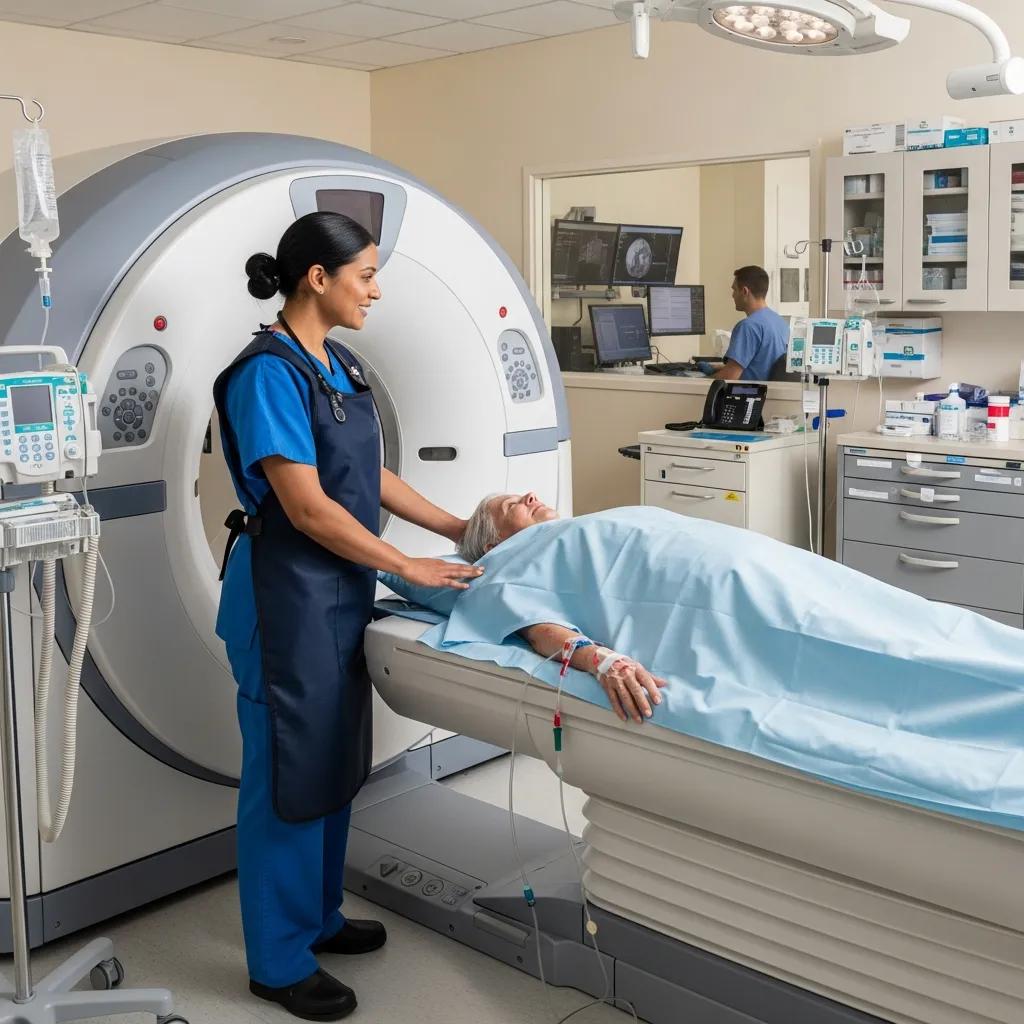
A typical day for a radiographer on the Central Coast mixes scheduled diagnostic lists, urgent outpatient imaging, patient communication and routine equipment checks. Case variety ranges from paediatric imaging to interventional assistance. Daily tasks include preparing patients, selecting appropriate imaging protocols, operating CT, ultrasound or X‑ray equipment, and ensuring radiation safety while working with referrers and radiologists on image acquisition and reporting. Local clinics see a mix of elective referrals, community patients and occasional inpatients, so radiographers need both technical skill and strong interpersonal ability. Knowing which modalities are common locally helps graduates focus their skill development on what employers value.
Which Medical Imaging Modalities Do Radiographers Operate?
On the Central Coast, radiographers commonly work with CT, digital X‑ray, ultrasound (general, vascular, musculoskeletal, obstetric and gynaecological) and DEXA bone densitometry; some centres also support interventional procedures where radiographers assist with imaging guidance. Each modality needs specific skills: CT and X‑ray require dose optimisation and solid radiation physics knowledge; ultrasound depends on anatomy recognition and hands‑on scanning technique; DEXA focuses on positioning and interpretation of body composition metrics. Patient communication, infection control and basic life support are essential complementary skills. Multi‑modality competence increases employability in mixed‑practice clinics and prepares graduates for a varied caseload.
Common modality tasks include:
- Perform diagnostic CT and X‑ray studies with dose awareness and correct protocol selection.
- Conduct ultrasound scans, optimise images and clearly explain findings to patients.
- Assist in interventional procedures by providing image acquisition support and monitoring patients.
Gaining experience across these modalities broadens practical competence and aligns study outcomes with employer expectations in community imaging centres.
How Does Life Medical Imaging Support Radiographer Careers and Development?
Life Medical Imaging Central Coast provides a hands‑on clinical environment where access to a broad range of modalities and accredited practice supports student learning and early‑career progression. The clinic’s services — including ultra‑low dose CT, cardiac CT, CT angiography, digital X‑ray, specialised ultrasound, interventional injections and DEXA — expose trainees to diverse supervised caseloads, and NATA accreditation signals reliable quality systems for training. The Careers and Education resources make it easier to enquire about placements, mentorship and employment pathways, helping students link academic learning with workplace experience. Proactively contacting local clinics about education opportunities can help secure supervised experience that accelerates competency development and employability.
These employer‑supported placements smooth the transition from student to practising radiographer by tying coursework to real clinical practice.
What Are the Future Trends and Job Prospects in Radiology and Medical Imaging?
Demand for radiographers in Australia and NSW is shaped by demographics, technology adoption and expanding clinical use of imaging; overall workforce signals point to stable or growing need for qualified imaging professionals. An ageing population, rising chronic disease rates and broader use of advanced diagnostics drive sustained demand, especially as regional services expand. Technological advances — artificial intelligence, advanced MRI/CT techniques and theragnostics — are changing workflows and creating new skill requirements, so ongoing continuing professional development is important for career resilience. The table below summarises key trends, their likely impact on jobs and what that means for training.
This snapshot shows technological change is broadening role content and increasing the need for continual upskilling.
How Is Demand for Radiographers Growing in Australia and NSW?
Workforce analyses show growing use of diagnostic imaging driven by an ageing population and expanded screening and surveillance programs, supporting steady demand for radiographers across regions. In NSW and on the Central Coast, expanding community services and the need for local access to CT and ultrasound create opportunities for graduates seeking placement‑based employment. Graduates with multi‑modality skills and strong clinical communication are well‑placed to take roles in community imaging centres and outpatient services. Preparing for these prospects means prioritising the modalities employers value and being able to demonstrate placement‑ready competencies.
Rising demand therefore favours adaptable practitioners who pursue CPD in high‑use modalities and emerging technologies.
What Technological Innovations Are Shaping Radiology Careers?
Artificial intelligence is changing image triage, automated measurements and workflow efficiency, so radiographers must understand AI outputs and how they fit into clinical protocols while preserving image quality and patient safety. Advanced imaging methods — iterative CT reconstruction, 3D/4D ultrasound and enhanced MRI sequences — require technical skill and protocol development abilities increasingly seen in specialist roles. Theragnostics and molecular imaging expand collaboration with nuclear medicine and oncology, opening niche pathways that combine imaging with therapeutic planning. To stay competitive, radiographers should prioritise CPD in AI literacy, advanced modality operation and cross‑disciplinary skills.
Key professional skills to develop for future readiness include:
- Technical proficiency across multiple imaging modalities.
- AI literacy and the ability to integrate tools into clinical workflows.
- Clear communication and clinical reasoning for multidisciplinary teamwork.
Frequently Asked Questions
What are the career prospects for radiographers in Australia?
Career prospects are generally positive. An ageing population and higher chronic disease rates mean diagnostic imaging remains central to care, so demand for qualified radiographers is steady or growing — particularly in regional areas. Graduates with multi‑modality skills and strong clinical communication are especially likely to gain roles in community imaging centres and hospitals. Ongoing CPD is important to keep skills current as technology evolves.
What skills are essential for a successful career in radiography?
Essential skills include technical competence with CT, X‑ray and ultrasound, strong patient communication, and solid radiation safety practice. As technology advances, familiarity with AI tools and basic data interpretation is increasingly valuable. Regular professional development supports both clinical skill and career progression.
How can students gain practical experience in radiography?
Clinical placements built into degree programs are the main route to hands‑on experience. Many universities partner with hospitals and imaging centres to provide supervised training. You can also seek volunteer roles, internships or mentorships at local clinics. Reaching out proactively to clinics about placements and engaging with professional bodies, workshops and conferences will broaden your practical exposure.
What are the differences between various imaging modalities?
Modalities serve different clinical needs and require different skills. X‑ray is commonly used for bones and chest imaging; CT gives detailed cross‑sectional views for complex diagnoses; ultrasound is a hands‑on, real‑time technique used widely in obstetrics, vascular and musculoskeletal work. Each modality also follows specific safety and technical protocols, so radiographers benefit from being competent in multiple areas to meet diverse clinical demands.
What role does continuing professional development play in radiography?
CPD is essential. It keeps practitioners up to date with new technologies, protocols and best practice, and is often required for maintaining registration. CPD formats include workshops, online courses and conferences — all of which improve clinical competence and patient care.
What are the common challenges faced by radiographers in their daily work?
Common challenges include managing a high patient load while maintaining image quality and safety, keeping pace with rapidly changing technology, and communicating with anxious or unwell patients. Balancing technical demands with patient care requires organisation, resilience and adaptability — qualities that support long‑term success in the profession.
Conclusion
Knowing typical ATAR expectations and the education-to‑employment pathway helps prospective students make informed choices about radiography. Explore entry options, degree structures and placement arrangements so you can plan a clear route to registration. Reach out to local clinics and secure practical experience to boost employability and link academic learning with real‑world practice. Start by researching accredited programs and connecting with industry professionals — those steps will set you on a practical path into medical imaging.