


Medical Imaging on the Central Coast — Find and Book the Right Scan Near You
Choosing the right medical imaging service on the Central Coast starts with a clear understanding of what each scan shows, how to prepare, and how results are shared with your clinician. Medical imaging — the umbrella term for tests such as CT, ultrasound, X‑ray and bone densitometry — provides images that guide diagnosis, treatment and follow‑up for many conditions. This guide outlines the scans available locally, practical prep for CT, MRI and ultrasound, and how imaging supports investigation of common issues like heart disease, women’s health and musculoskeletal injury. You’ll also find simple booking advice, what to expect during appointments, and how to access results — with notes about Life Medical Imaging Central Coast where relevant. Read on for clear modality comparisons, quick prep checklists, clinic‑specific details and next steps to help you book the right scan with confidence.
What Medical Imaging Services Are Available on the Central Coast?
Imaging services on the Central Coast use different technologies to show anatomy and function, and each test has a particular clinical role. CT (computed tomography) uses X‑rays and detectors to create cross‑sectional images — it’s fast and ideal for trauma, lung and vascular assessment. Ultrasound uses sound waves for real‑time views of soft tissue and pregnancy without radiation. Digital X‑ray gives quick bone and chest images, DEXA measures bone density to assess osteoporosis risk, and interventional radiology provides image‑guided procedures like biopsies and injections. Knowing which test matches a clinical question helps patients and referrers choose the most appropriate scan and prepares you for any specific instructions or logistics.
Which Types of Scans Can I Get Locally?
Central Coast clinics typically offer CT (including Cardiac CT and CT angiography), a full range of ultrasound services (obstetric, gynaecological, vascular, musculoskeletal and paediatric), digital X‑ray, DEXA bone densitometry, dental OPGs and image‑guided interventional procedures. Typical uses include CT for acute trauma and lung disease, Cardiac CT for coronary assessment, ultrasound for pregnancy and soft‑tissue problems, and DEXA for fracture risk assessment. Many centres now use low‑dose CT protocols for screening and follow‑up where suitable, reducing radiation while keeping diagnostic quality. Familiar terms — Cardiac CT, CT Angiography, Obstetric Ultrasound, Vascular Ultrasound, Musculoskeletal Ultrasound, Digital X‑ray, DEXA, Dental Imaging and Interventional procedures — help match symptoms to the right test and speed referral decisions.
What Are the Benefits of Choosing a Local Radiology Clinic?

Using a local radiology clinic usually means quicker access, better continuity with local GPs and specialists, and greater convenience for follow‑up or staged investigations. Shorter travel times make repeat imaging and multi‑step care easier — this matters for children and older patients who benefit from nearby services. Online booking and electronic image access simplify scheduling and sharing results with referrers. These local advantages often lead to timelier diagnosis and earlier treatment; the section below explains how to prepare for the most common scans so you arrive ready.
This table highlights how different imaging tools answer different clinical questions and helps you understand modality selection before you discuss booking with your referrer.
How Do I Prepare for Common Scans Like CT, MRI, and Ultrasound?
Good preparation improves image quality, reduces the need for repeat scans and keeps you safe. Preparation differs by test but is usually straightforward. CT scans may require short fasting or extra hydration if intravenous contrast is used — always tell staff about allergies and kidney function. MRI has specific safety checks for metal and implants and can be noisy; remove metal items and let staff know about any implants or claustrophobia. Ultrasound prep varies by exam — abdominal scans often need fasting, while pelvic scans may require a full bladder. Following the instructions you’re given helps the imaging team deliver the best possible study.
What Should I Expect During a CT Scan or CT Angiography?
A CT or CT angiography appointment usually involves registration, positioning on the scanner table, a few breath‑holds and rapid image acquisition that often takes only minutes; total appointment time can be longer when contrast and monitoring are needed. If intravenous contrast is used, a small cannula is placed and contrast is injected during the scan — you may feel brief warmth or a metallic taste and staff will watch for reactions. CT angiography maps blood vessels and can show narrowing, aneurysm or embolism; pre‑scan checks include kidney function and allergy history. After the scan you may be observed briefly if contrast was given, and the radiologist will prepare a report for your referrer to discuss with you.
Use this quick reference to plan arrival times and to bring any required documents or preparation items for your scan.
How Safe Is Ultrasound During Pregnancy and Other Uses?
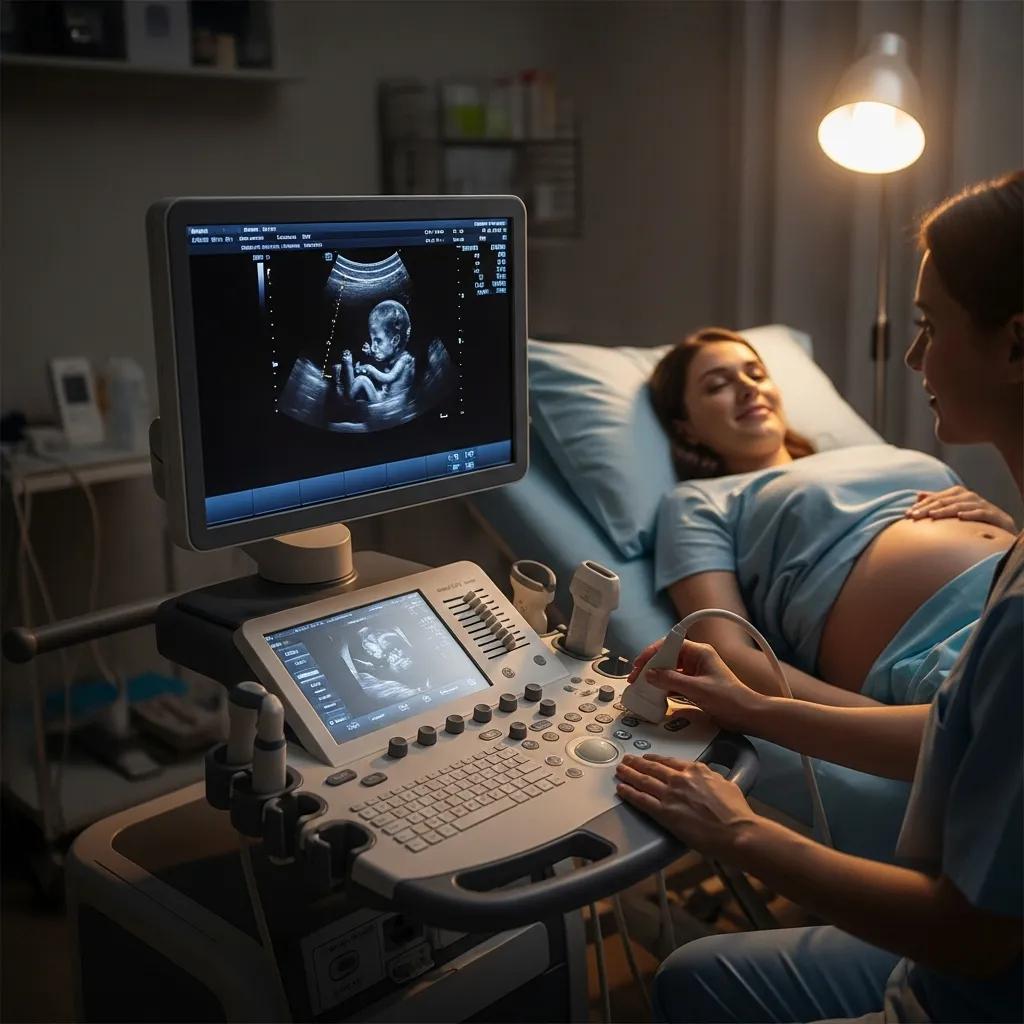
Ultrasound uses sound waves rather than ionising radiation, so it’s the preferred test for routine pregnancy care and many gynaecological assessments. Dating scans, fetal anatomy checks and growth monitoring are all done with ultrasound because it visualises soft tissues and the fetus safely, and scans can be repeated when clinically needed. For some gynaecological problems — for example, deep infiltrating endometriosis — ultrasound can be less sensitive depending on lesion location and operator experience; in those cases MRI or specialist referral may be recommended. When results are unclear, your clinician will advise the next steps.
Where Are Life Medical Imaging Central Coast Clinics Located?
Life Medical Imaging Central Coast runs several clinics across the region so you can access the tests you need close to home. Key locations include Bateau Bay, Killarney Vale, Umina Beach and Erina — each site may focus on particular services such as women’s imaging, cardiac studies or paediatric care. Check which clinic offers the specific test before you book to avoid rescheduling. Online booking and electronic image access are available to make scheduling and sharing results straightforward for patients and referrers.
What Services Are Offered at Each Clinic Location?
Service availability varies by site: some centres specialise in women’s and cardiac imaging while others provide a broad mix of CT, ultrasound and X‑ray, with DEXA and selected image‑guided procedures at designated locations. If you need paediatric imaging or an interventional procedure, confirm the preferred site when you arrange your referral. For Cardiac CT or CT angiography, ask about high‑definition and low‑dose options at the cardiac‑capable clinics. The network model lets local patients access a wide range of tests without travelling to a major city, and the online booking system points you to the clinic best suited to your needs. Booking confirmations include site‑specific instructions so you know where to go and what to bring.
How Can I Book an Appointment Online or Request a Referral?
Booking usually follows a simple process: get a referral from your GP or specialist, choose the right test and location, then book a suitable appointment using the clinic’s online tool or by calling the site. Referrers submit imaging requests according to clinical guidelines; on the day bring your referral, any previous imaging and photo ID to help registration. Life Medical Imaging Central Coast supports online booking and image access so results can be shared electronically with your referrer. Urgent inpatient referrals follow established priority pathways. If you’re unsure which scan you need, discuss your symptoms with your referrer — they’ll advise the correct modality and help pick the nearest clinic.
What Conditions Can Medical Imaging Diagnose on the Central Coast?
Imaging helps diagnose many conditions by matching each test’s strengths to the clinical question — from coronary artery disease to soft‑tissue injuries and bone loss. Cardiac CT and CT angiography assess coronary anatomy and detect significant stenosis or aneurysm; CT and chest X‑ray evaluate lung disease; ultrasound diagnoses many gynaecological and obstetric conditions plus tendon and joint problems; and DEXA measures bone mineral density to manage osteoporosis risk. Interventional radiology offers minimally invasive diagnostic and therapeutic options such as biopsies and joint injections. Knowing which modality suits a condition helps clinicians plan evidence‑based investigations and follow‑up.
How Does Cardiac CT Help Detect Heart Conditions?
Cardiac CT gives a non‑invasive view of the coronary arteries and cardiac anatomy, helping detect coronary artery disease, plaque burden and vessel narrowing. It also provides calcium scoring to help stratify cardiovascular risk. The test uses fast, high‑definition scanners and — where available — low‑dose protocols to reduce radiation while maintaining image quality; contrast highlights vessel lumens to show stenoses. Cardiac CT is used when detailed anatomical information is needed to guide further testing or treatment, and results are reviewed by radiologists and referrers to decide next steps. Because Cardiac CT can quickly exclude significant coronary disease in many patients, it often speeds up clinical decision‑making.
Can Ultrasound Detect Women’s Health Issues Like Endometriosis?
Ultrasound is a key tool for evaluating pelvic pain and gynaecological symptoms. Transvaginal and transabdominal techniques can identify ovarian endometriomas and superficial pelvic disease, but deep infiltrating endometriosis can be harder to see on ultrasound alone. Sensitivity depends on lesion site and operator experience, so a normal ultrasound doesn’t completely rule out endometriosis — persistent symptoms may need MRI or diagnostic laparoscopy. Ultrasound remains the first‑line, non‑radiation option for many women’s health concerns, and close collaboration between sonographers, radiologists and gynaecologists helps tailor the diagnostic pathway for each patient.
Why Choose Life Medical Imaging Central Coast for Your Scan?
Life Medical Imaging Central Coast is a NATA‑accredited, independent radiology provider offering a wide range of diagnostic imaging across the region, with sub‑specialist expertise in women’s and cardiac imaging and equipment optimised for low‑dose, high‑quality studies. Accreditation and strong clinical governance support consistent imaging protocols and reporting, while sub‑specialist radiologists provide focussed interpretation for complex exams like Cardiac CT and detailed women’s imaging. Multiple local clinics, experienced staff and online booking plus image access help create efficient patient pathways and timely communication with referrers. For patients choosing a provider, these elements — comprehensive services, accredited quality and specialist reporting — are practical reasons to consider Life Medical Imaging Central Coast.
How Does Ultra-Low Dose Technology Improve Patient Safety?
Ultra‑low dose imaging lowers ionising radiation during CT and X‑ray exams by combining modern scanner hardware, advanced reconstruction algorithms and optimised protocols tailored to the clinical question. This reduces cumulative exposure without compromising diagnostic utility and is especially valuable for patients who need repeated imaging, younger people and screening contexts where dose minimisation matters. Radiologists and medical physicists carefully balance dose and image clarity to preserve diagnostic value while meeting safety standards. Using low‑dose techniques in routine practice supports better long‑term patient safety and aligns with responsible radiation stewardship.
What Expertise Do Our Radiologists and Clinical Staff Provide?
Our radiologists and clinical teams bring sub‑specialist experience in areas such as women’s and cardiac imaging, which improves diagnostic accuracy for complex cases and supports multidisciplinary care with referrers. Sonographers, radiographers and nurses focus on high‑quality image acquisition and patient comfort during procedures, and consultant radiologists prepare reports tailored to the organ system or modality. Clinical governance, accreditation and ongoing professional development keep reporting standards and procedural safety high. Clear communication between imaging teams and referring clinicians helps turn findings into practical management plans for patients.
What Are the Most Common Patient Questions About Scans in My Area?
Patients often ask which test they need, how to prepare, how long reports take and how to access images; clear, concise answers reduce worry and speed the pathway from referral to diagnosis. Knowing the four main imaging categories (X‑ray, CT, MRI, Ultrasound) and their typical uses helps you anticipate the appointment and why a particular modality was chosen. Report turnaround varies with urgency: routine studies are usually reported within a few days while urgent cases are prioritised for same‑day reporting at many services. Patient portals and online image access make it easy to retrieve and share scans, and referrers can request expedited reporting when clinically necessary.
What Are the Four Main Types of Medical Imaging?
The four primary imaging types are X‑ray (including digital radiography) for quick bone and chest assessment; CT for cross‑sectional, high‑resolution anatomy; MRI for superior soft‑tissue contrast in brain, spine and joints; and ultrasound for real‑time, non‑radiation imaging of soft tissues and pregnancy. Each modality has strengths: X‑ray is fast and widely available; CT is rapid and excellent for trauma and lung imaging; MRI gives detailed soft‑tissue contrast; ultrasound is dynamic and safe for obstetric care. Choice depends on the clinical question, patient factors and logistics such as availability and preparation.
How Long Does It Take to Get Scan Results and Access Images?
Turnaround depends on the test and clinical priority: routine reports are typically completed within 24–72 hours, while urgent inpatient or emergency scans may be reported within hours and communicated directly to the treating team. Patients with online image access can usually view reports and images via the clinic’s patient portal once the report is finalised, making it easy to share with your GP or specialist. If faster reporting is needed, indicate clinical urgency when booking to activate an expedited workflow. For help interpreting results or planning next steps, contact your referring clinician.
- Prepare your referral: Get a clear referral from your GP or specialist that states the requested modality and the clinical question.
- Confirm the correct site and modality: Check which clinic offers the scan you need to avoid being rebooked on the day.
- Follow preparation instructions: Stick to fasting, hydration or medication guidance provided by the imaging team to ensure optimal images.
- Access results: Use the clinic’s patient image access tools to download your report and images, and review findings with your referrer.
Following these steps streamlines the journey from referral to result and reduces the chance of delays or repeat imaging.
When you’re ready to book or have questions, Life Medical Imaging Central Coast offers online booking and patient image access across multiple Central Coast sites. Our NATA‑accredited services include specialist women’s and cardiac imaging and many CT studies are performed with low‑dose technology. If you’re unsure which scan suits your symptoms, speak with your referring clinician — they’ll advise the best test and help arrange your appointment.
Frequently Asked Questions
What should I bring to my imaging appointment?
Please bring your referral from your GP or specialist, any previous imaging reports or CDs, and a photo ID. If your appointment requires special preparation (for example, fasting or extra hydration), follow those instructions and bring any items you may need, such as a water bottle.
How can I access my imaging results after the scan?
Results are available through the clinic’s patient portal once the radiologist’s report is finalised. This lets you view and download both the report and images, and share them with your referring clinician. Typical availability is within 24–72 hours, depending on clinical urgency. For questions about results, contact your referrer for a detailed review.
Are there any risks associated with medical imaging procedures?
Most imaging tests are safe. Some use ionising radiation (X‑ray and CT), but modern equipment and low‑dose protocols greatly reduce exposure without affecting diagnostic quality. Ultrasound and MRI do not use ionising radiation and are safer options in many cases, including pregnancy. Discuss any concerns with your healthcare provider so they can weigh risks and benefits for your situation.
What if I have a medical condition that affects my imaging?
Tell the imaging team about any medical conditions such as kidney disease, allergies or implanted devices before your appointment. Certain contrast agents and procedures need special consideration or alternatives. Open communication helps the team choose the safest and most effective approach for you.
Can I bring someone with me to my imaging appointment?
Yes — you may bring a family member or friend for support. Some procedures have limits on how many people can be in the exam room, or restrictions when radiation is involved, so check with the clinic ahead of time. Having someone with you can ease anxiety and help with practical matters.
What should I do if I need to reschedule my appointment?
If you need to reschedule, contact the clinic as soon as possible. Most sites make it easy to change appointments and prompt notice allows them to offer your slot to other patients. Be ready to provide your details and preferred dates. Check the clinic’s cancellation policy for any applicable fees.
Conclusion
Finding the right imaging service on the Central Coast helps you get timely, accurate diagnostic information and smoother care. Understanding the available modalities and their uses puts you in control when booking and preparing for a scan. For convenient booking and secure image access, consider Life Medical Imaging Central Coast — accredited services, local sites and specialist expertise make it easy to get the right test. Start by checking our online booking options or speak with your referrer to arrange the appropriate scan.