


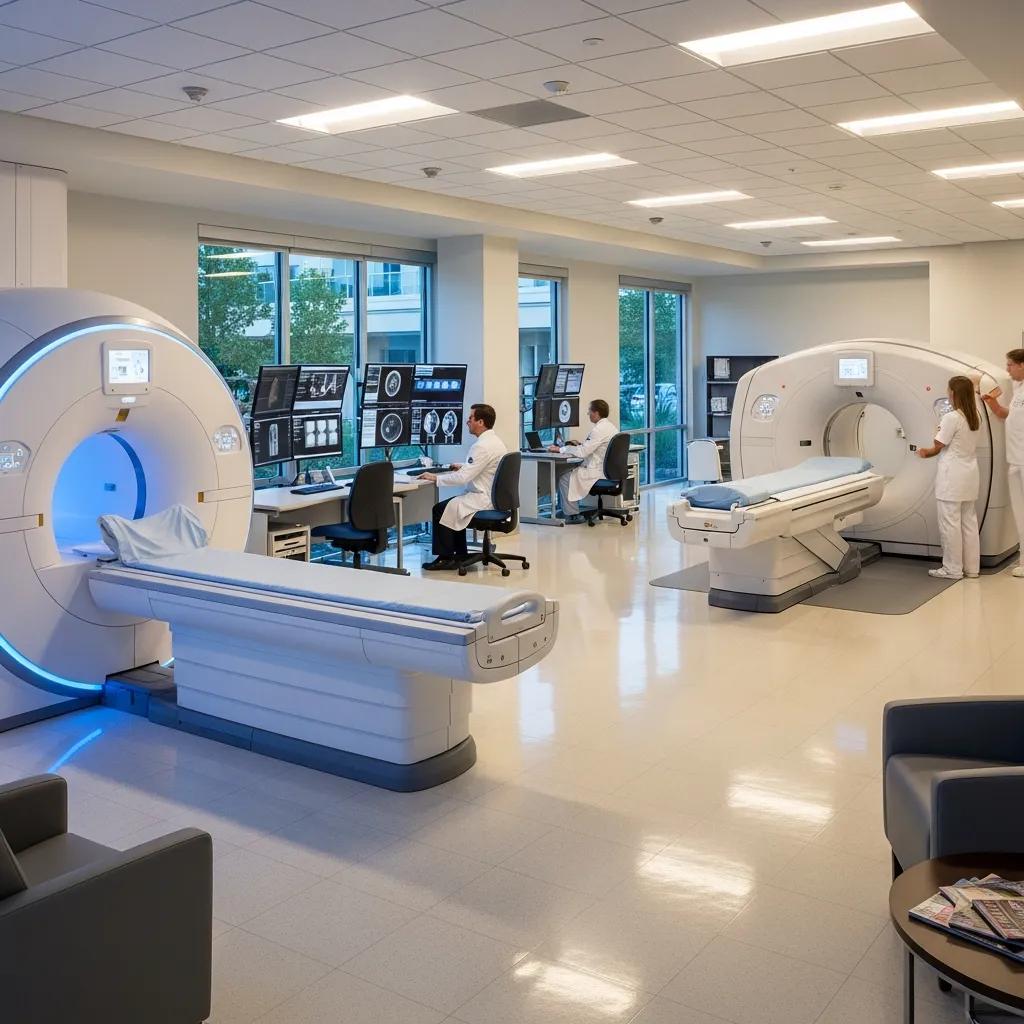
Find Reliable Diagnostic Imaging Services on the Central Coast
Medical imaging — including X‑ray, CT, MRI and ultrasound — helps diagnose and monitor many health conditions. Access to dependable local services on the Central Coast can shorten the time to diagnosis and guide treatment more quickly. This guide explains the main diagnostic tests available nearby, how to prepare for common exams, and clear steps to arrange Medicare‑eligible or bulk‑billed imaging. Many people are unsure which modality fits a symptom, how referrals and billing work, or what to expect during a scan; we answer those questions with practical checklists and side‑by‑side comparisons. You’ll learn what each test shows, simple preparation tips for MRI, CT and ultrasound, how to book an appointment, and where to find accredited, low‑dose equipment locally. Helpful tables compare modalities and booking options across our four Central Coast sites and outline the patient journey so you can make informed choices quickly. We also highlight the trust signals to consider and give action steps for booking and enquiries.
What types of medical imaging tests are available near me on the Central Coast?
Diagnostic imaging covers several technologies, each suited to different clinical questions. Knowing their strengths makes it easier to match symptoms to the right test. Core modalities include X‑ray (bone and chest), ultrasound (soft tissues, organs, pregnancy), CT (rapid cross‑sectional detail), MRI (high‑resolution soft tissue) and mammography (breast imaging). DEXA measures bone density and interventional radiology provides image‑guided procedures. The right choice depends on what needs imaging (bone, soft tissue, vessels), urgency, patient factors such as pregnancy, and whether contrast is required. Below is a concise comparison to help you decide quickly.
Quick reference: common imaging modalities and their typical clinical roles before you read the booking and preparation guidance.
This table highlights key differences between modalities and prepares you for the next section on local services and how each test is used in practice.
Which diagnostic imaging services does Life Medical Imaging Central Coast offer?
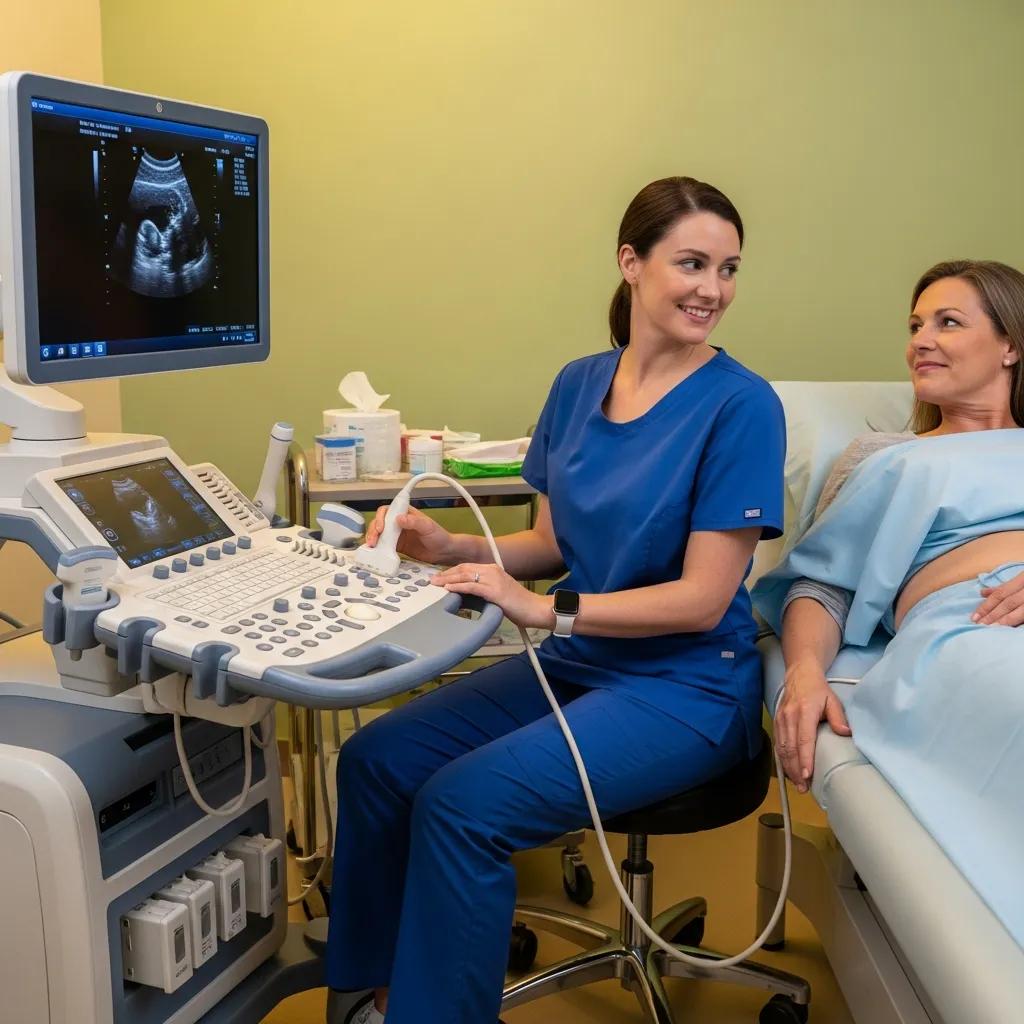
Life Medical Imaging Central Coast provides a full range of diagnostic imaging across our Central Coast clinics. Our services include X‑ray, ultrasound, CT, MRI, mammography, bone mineral densitometry (DEXA) and image‑guided interventional procedures. We also offer specialist women’s imaging and cardiac imaging pathways where clinically indicated. Having these services locally means many routine and advanced tests can be completed without travel to distant centres, reducing delay and inconvenience. If you need a specific test, confirm suitability with your referrer so you follow the most appropriate imaging pathway.
Next, a practical explanation of how the main modalities differ and when each is usually preferred.
How do X‑ray, ultrasound, CT, MRI and mammography differ?
Each test relies on different physics and suits different clinical problems. X‑ray uses ionising radiation and is best for bones and simple chest views. Ultrasound uses sound waves, is radiation‑free and works well for soft tissues and pregnancy but is operator‑dependent. CT combines X‑rays for fast, detailed cross‑sections — useful in trauma and acute conditions — but delivers higher radiation doses. MRI uses magnetic fields to provide excellent soft‑tissue contrast without ionising radiation, making it ideal for brain, spine and complex soft‑tissue assessment; it can be longer and is affected by implants or claustrophobia. Mammography is a specialised, low‑dose X‑ray for breast tissue. Knowing these strengths and limits helps clinicians and patients choose the most informative, lowest‑risk test for each situation.
Medical Imaging Modalities and Disease Diagnosis: A Review
This review summarises how non‑invasive imaging — including X‑ray, PET, CT, MRI and ultrasound — supports diagnosis, treatment planning and monitoring. It also discusses advances in medical image processing and the role of machine learning to improve detection and analysis, while emphasising that accuracy and quality assurance remain essential for safe, effective care.
Recent trend in medical imaging modalities and their applications in disease diagnosis: a review, B Abhisheka, 2024
With those differences in mind, here’s how to book Medicare‑eligible or bulk‑billed imaging on the Central Coast.
How can I book bulk‑billed medical imaging tests near me on the Central Coast?

Booking bulk‑billed imaging means the provider accepts the Medicare benefit as full payment for eligible exams. To arrange bulk billing you need a valid referral that includes the correct Medicare item number and to confirm the test is covered under those criteria. Planning ahead — checking referral details and any pre‑scan requirements such as fasting or kidney tests — helps the billing and claim process run smoothly. Typically, patients will need a referral from a GP or specialist, confirmation that the requested exam is Medicare‑eligible, and an appointment time that suits any preparation.
We aim to provide clear information about our services and to make booking and enquiries straightforward.
Before booking, check the referral details and ask the clinic whether the specific exam is commonly bulk‑billed for your referral type. That prevents unexpected costs and ensures you bring the correct paperwork. The section below explains bulk billing in plain terms and lists practical booking steps for Central Coast sites.
Steps to book bulk‑billed imaging on the Central Coast:
- Obtain a valid referral from your GP or specialist that includes the required Medicare item number.
- Check with the chosen clinic that the specific test is bulk‑billed for your referral type.
- Book online where available or call the clinic to arrange an appointment that suits any preparation needs.
- Bring your referral, Medicare card and photo ID on the day of your appointment.
Following these steps ensures a straightforward booking experience and reduces the chance of unexpected fees.
What does bulk billing mean for diagnostic imaging patients?
Bulk billing means the clinic invoices Medicare directly for eligible examinations and accepts the Medicare benefit as full payment, so the patient has no out‑of‑pocket cost for that service — provided the test meets Medicare criteria and the referral includes the correct item number. Commonly bulk‑billed examples include many plain X‑rays and certain ultrasounds when the referral satisfies Medicare conditions. Eligibility varies by modality and clinical indication, so confirm with your referring clinician and the imaging provider. Also ask whether extra services — such as contrast agents or interventional radiology — carry additional fees so you can plan ahead. Verifying billing policies in advance reduces surprises and supports timely access to the imaging you need.
This prepares you for booking appointments at Central Coast clinics and what to bring on the day.
How do I book an appointment at Life Medical Imaging’s Central Coast locations?
To book with Life Medical Imaging Central Coast, confirm referral and Medicare eligibility with your GP, then choose the clinic that’s most convenient and offers the required modality. Use online booking where available or call the clinic for help. Bring your referral, Medicare card and any prior imaging or medical records so radiologists can compare studies. Tell staff about conditions such as pregnancy or kidney disease that might affect contrast use. We aim to bulk‑bill the majority of Medicare‑eligible exams where appropriate and offer online bookings across locations to make scheduling easier. Confirm preparation requirements and arrival times when you book so you can follow instructions for fasting, bladder filling or pre‑scan checks.
Next: what to expect on the day of your imaging appointment, including preparation and timing.
What should I expect when getting diagnostic imaging tests near me?
Knowing the patient journey — preparation, what happens during the scan, immediate aftercare and how reports are delivered — reduces anxiety and improves image quality, leading to faster, more accurate reporting. Most visits start with check‑in and verification of referral and identity, followed by modality‑specific preparation such as fasting, contrast checks or bladder filling. Technologists will explain the process and safety screening before the scan. During the exam, you can usually communicate with the technologist; procedures vary in length and sensation. X‑rays are very quick, ultrasounds use an external probe, CT scans are fast and may include breath‑hold instructions, while MRI requires lying still in the scanner for a longer time. After the scan, radiologists prepare a formal report that’s sent to your referring clinician, who will discuss the results and next steps with you.
The table below summarises what to expect for common modalities so you can prepare and know when to expect results.
Use this comparison to prepare physically and mentally for each test; the next section gives specific preparation checklists for MRI, ultrasound and CT.
How do I prepare for common imaging tests like MRI and ultrasound?
Good preparation reduces repeat scans and improves diagnostic quality. For MRI, remove all metal items and tell staff about implants or devices; tell us if you’re pregnant or anxious about closed spaces so we can discuss options like sedation or open MRI. For abdominal or pelvic ultrasounds you may need to fast or drink water to fill your bladder depending on the scan — follow the clinic’s instructions exactly. CT scans that use iodine‑based contrast sometimes require fasting and assessment of kidney function or allergies, so disclose medications and medical history when booking. Clear communication between your GP and the imaging centre about medications, allergies and recent procedures prevents delays and keeps you safe.
These points lead into a practical walkthrough of what happens during and after your appointment.
What happens during and after my imaging appointment?
On arrival staff will check your referral, identity and any pre‑scan questionnaires. The technologist will explain the procedure, perform safety checks and tell you the expected duration. During the scan follow instructions on breathing or remaining still; you can usually alert staff if you feel uncomfortable. After the procedure, aftercare is typically minimal, but if contrast was used you may be observed briefly and given hydration advice. In most cases you can resume normal activities immediately. Specialist radiologists prepare the formal report which is sent to your referring doctor, who will contact you to discuss results and next steps. That completes the imaging pathway from booking to follow‑up.
These expectations lead into trust signals and practical criteria to help you choose where to book.
Why choose Life Medical Imaging Central Coast for your diagnostic testing needs?
Choosing an accredited, well‑equipped provider with specialist radiology expertise helps ensure accurate imaging and reliable reports clinicians can act on with confidence. Life Medical Imaging Central Coast is an independent, NATA‑accredited radiology service operating across multiple Central Coast sites. NATA accreditation means regular quality audits and standardised processes that support patient safety and consistent results. We use ultra‑low dose, high‑definition equipment where possible and have access to sub‑specialist radiologists to reduce radiation exposure while maintaining diagnostic clarity. Patient‑centred facilities and online booking across locations make accessing tests easier, and we aim to bulk‑bill the majority of Medicare‑eligible examinations to keep out‑of‑pocket costs low.
Accreditation Programme for Australian Radiology Practices
This work describes the RANZCR/NATA accreditation programme for Australian radiology practices, outlining voluntary national standards, quality management and the role of external assessment in maintaining safe diagnostic imaging services.
The design and implementation of the RANZCR/NATA accreditation program for Australian radiology practices, 2007
These trust signals explain why accreditation, up‑to‑date equipment and specialist staffing matter when selecting an imaging provider, and lead into a plain‑language description of quality and technology.
How does NATA accreditation ensure quality and safety?
NATA accreditation shows a facility meets nationally recognised laboratory and diagnostic standards through regular checks of equipment calibration, staff competence and quality control processes. For patients this means tests are performed on properly maintained equipment by trained technologists and reported by qualified radiologists working to documented protocols. Accreditation includes external audits and corrective actions, so practices are continually reviewed and improved. Knowing a site is accredited gives independent reassurance about the quality and safety of your imaging.
This prepares you to consider the specific technologies and specialist services that support accurate diagnosis and a better patient experience.
What advanced technologies and specialist services are offered?
Modern protocols such as ultra‑low dose CT and high‑definition imaging improve diagnostic accuracy while lowering radiation exposure. Specialist services — for example women’s imaging and cardiac imaging — focus on condition‑specific pathways and are supported by sub‑specialist radiologist reporting. When complex cases need it, specialist interpretation refines diagnosis and helps guide precise treatment plans. The right combination of modern equipment and expert reporting reduces unnecessary repeat imaging and can shorten diagnostic uncertainty. Ask about available technologies and specialist reporting when booking so your test matches clinical needs.
Next we summarise clinic locations and how to access them across the Central Coast.
Where are the best locations for medical imaging near me on the Central Coast?
Local access reduces travel and speeds diagnosis. Life Medical Imaging Central Coast operates clinics at Bateau Bay, Killarney Vale, Umina Beach and Erina, each offering core modalities — X‑ray, ultrasound, CT, MRI, mammography and DEXA — with interventional procedures available where clinically indicated. Multiple locations and online booking make it easier to schedule the right test close to home. Choose the site that best matches the required modality and your travel needs, and confirm whether bulk‑billing applies for your referral to avoid unnecessary trips.
This overview helps you choose a site and leads into practical advice on checking opening hours and contact details before booking.
What services are available at Bateau Bay, Killarney Vale, Umina Beach, and Erina clinics?
Each clinic provides the core modalities described above — X‑ray, ultrasound, CT, MRI, mammography and DEXA — and can carry out interventional procedures when required. Women’s imaging and cardiac imaging are available across the network, so many breast and heart‑related referrals can be managed locally with appropriate expertise. Choose the location that best suits the requested test and your travel preferences, then confirm service specifics directly with the clinic when booking to meet any preparation or referral requirements.
Practical next steps: check opening hours, booking methods and contact options on the official location pages to avoid surprises.
How do opening hours and contact details facilitate convenient access?
Convenience depends on up‑to‑date opening hours and clear contact channels such as online booking and clinic phone lines. Verify these details on the clinic’s location page before you travel. Online booking is often helpful for matching appointment times to fasting or preparation windows, while direct contact lets staff clarify billing, contrast requirements and any special needs. Multiple locations across the Central Coast increase the chance of finding a convenient slot, especially for tests with specific timing or pre‑scan checks. Always confirm the latest access details and booking instructions with the clinic before your appointment to ensure a smooth visit.
These contact tips lead into an FAQ addressing common patient questions about referrals, cost and why imaging matters.
What are common questions about diagnostic imaging near me on the Central Coast?
Patients frequently ask whether a referral is required, what tests cost, and why imaging is important for early diagnosis. Many imaging exams require a GP or specialist referral to be Medicare‑eligible and bulk‑billable; if you do not have a referral, speak with your GP about the clinical indication and the appropriate Medicare item number. Costs depend on Medicare eligibility, clinic billing policies and any extra procedures such as contrast or interventional work, so confirm fees with the imaging provider before booking. Imaging plays a key role in early diagnosis, treatment planning and monitoring, often allowing less invasive management and more targeted therapy when combined with clinical assessment.
The short lists below answer some high‑value patient questions in a clear, actionable format.
- Do I need a referral for ultrasound or MRI scans?
Yes — most Medicare‑eligible ultrasounds and MRIs require a GP or specialist referral stating the clinical reason and item number.
If you don’t have a referral, contact your GP to discuss the indication and request the appropriate paperwork.
Confirm with the imaging centre that the referral meets Medicare criteria for bulk‑billing before you book. - How much do different imaging tests cost on the Central Coast?
Costs vary by Medicare eligibility, modality, use of contrast agents and whether interventional procedures are needed.
Many routine X‑rays and some ultrasounds are commonly bulk‑billed with a valid referral, but other tests may have out‑of‑pocket fees.
Always check the clinic’s billing policy and ask about likely charges before attending. - Why is medical imaging important for early diagnosis and treatment?
Imaging reveals structural and functional changes that guide diagnosis, staging and monitoring across many conditions.
Early imaging can detect disease before symptoms progress, allowing earlier intervention and better outcomes.
Advances like low‑dose CT and specialist radiology reporting improve accuracy while reducing risk.
These concise answers address common patient questions and guide the next steps with your referring clinician or imaging centre.
Key action points:
- Talk with your GP about your symptoms to obtain a clear referral and the correct Medicare item number, if applicable.
- Choose the Central Coast location that offers the required modality and confirm whether bulk‑billing applies for your referral.
- Use online booking where available, follow preparation instructions, and bring your referral and Medicare card on the day.
These action steps complete the practical guidance and help you move from understanding to booking and receiving timely imaging on the Central Coast.
Frequently Asked Questions
What should I do if I have anxiety about undergoing an MRI scan?
If you feel anxious about MRI, tell the imaging staff before your appointment. We can discuss options such as mild sedation or open MRI where available, and the technologist will explain the process to help reduce anxiety. Bringing a support person can also help. Let staff know about your concerns so we can make the scan as comfortable as possible.
Are there any risks associated with medical imaging tests?
Most imaging tests are safe. X‑rays and CT use ionising radiation; the risk is generally low and justified when the diagnostic benefit outweighs it. MRI and ultrasound do not use ionising radiation. Inform your healthcare provider about allergies (particularly to contrast agents), implants, pregnancy and other medical conditions so we can manage risks appropriately.
How can I ensure my imaging results are communicated to my doctor promptly?
Confirm with the imaging centre that the report will be sent to your referring doctor. You can also request a copy for your records. Following up with your GP after the appointment helps confirm they have received the report and can discuss the findings with you promptly.
What should I bring to my imaging appointment?
Bring your GP or specialist referral, Medicare card and photo ID. If you have recent imaging or relevant medical records, bring those too so radiologists can compare previous studies. Tell staff about any medications you take and medical conditions such as allergies or pregnancy.
Can I eat or drink before my imaging appointment?
Dietary rules depend on the test. Some ultrasounds and CT scans with contrast require fasting; other scans may ask you to drink water to fill your bladder. Always follow the specific instructions provided by the imaging centre — if unsure, call ahead to clarify.
What happens if I miss my appointment?
If you miss your appointment, contact the clinic as soon as possible to reschedule. Clinics may have missed‑appointment policies that include fees or rebooking rules, so let them know promptly to avoid delays and ensure you receive the necessary diagnostic care.
Conclusion
Reliable medical imaging on the Central Coast helps deliver timely diagnoses and clear treatment plans. By understanding the available tests, their preparation needs and how to book — including Medicare‑eligible or bulk‑billed options — you can make informed choices and move forward with confidence. Explore our local clinics and take the next step toward your diagnostic care. For more information and to book an appointment, visit our website.