


Radiography — ATAR Requirements and Career Pathways in Medical Imaging (Australia)
Radiography is the clinical practice of producing diagnostic images with tools like X‑ray, CT and ultrasound to support diagnosis and treatment. ATAR is the Australian tertiary admission rank most universities use to assess school leavers for health degrees. This guide outlines typical ATAR bands for radiography and related medical imaging courses, explains common entry prerequisites and alternative pathways, and walks you through the steps to professional registration. You’ll also find a practical look at career options and specialisations in Australia, plus tips on scholarships, clinical placements and what employers look for in new graduates. Life Medical Imaging Central Coast is referenced here as a local clinical employer and diagnostic imaging provider — contact Life Medical Imaging Central Coast if you’d like to discuss shadowing, placements or appointments. This guide is organised to answer the questions most students ask about course entry, registration with AHPRA/MRPBA, career progression and ways to strengthen an application.
What ATAR Scores Are Needed for Radiography Courses in Australia?
ATAR requirements vary by university, course type and state. Most Australian bachelor degrees in medical radiation science or diagnostic radiography expect a competitive ATAR, though many programs accept alternative entry routes for mature‑age applicants. Universities use ATAR as a standard measure of secondary achievement, but thresholds shift with course demand, prerequisite subjects and available pathways such as diplomas or bridging programs. Knowing typical ATAR ranges and alternative pathways helps you plan subject choices and backups. The sections below compare common university ranges and list the prerequisites admissions teams usually expect.
Which Universities Offer Radiography Degrees and Their ATAR Ranges?

The table below provides a compact comparison of common university courses, AQF level and typical ATAR ranges to help you compare options and plan applications. ATARs change from year to year — treat these bands as a guide and check each university’s current admissions advice for final thresholds.
These comparisons show overlap between ATAR thresholds and variation by intake and course format. View ATAR as one part of your admissions profile and explore pathway options if your ATAR is below the listed bands.
What Are the Key Prerequisites and Subjects for Radiography Entry?
Successful applicants usually combine a competitive ATAR with specific senior secondary subjects and non‑academic clearances that show scientific aptitude and workplace readiness. Common academic prerequisites include English plus maths, physics or biology; many programs favour applicants with laboratory science or advanced maths. Non‑academic requirements often include immunisations, police checks, working with vulnerable people checks and evidence of clinical suitability — placement providers will ask for these before supervised clinical work. To improve your ATAR and application, concentrate on high‑weight subjects, get targeted tutoring for technical topics like physics, and build relevant volunteer or work experience to strengthen mature‑age or pathway applications.
How Do You Become a Registered Radiographer in Australia?
Registration as a radiographer in Australia follows an accredited study program, supervised clinical experience and formal registration with the national regulator and professional board. Start with an accredited undergraduate degree in medical radiation science (or an equivalent qualification), complete required clinical placements to demonstrate competency, then apply for registration through AHPRA under the Medical Radiation Practice Board of Australia (MRPBA). Graduates must meet professional standards, submit required documentation and maintain registration through continuing professional development. The sections that follow explain regulator roles and why clinical placements are essential to safe, professional practice.
What Is the Role of AHPRA and MRPBA in Radiography Registration?
AHPRA (Australian Health Practitioner Regulation Agency) and the Medical Radiation Practice Board of Australia (MRPBA) together oversee registration and professional standards for medical radiation practitioners. AHPRA manages the registration process and database; the MRPBA defines professional standards, scopes of practice and accreditation requirements for education programs that lead to registration. To register you’ll need verified qualifications, ID, evidence of clinical hours where required and declarations about professional conduct. Once registered, practitioners must meet continuing professional development and recency‑of‑practice obligations set by the MRPBA. Knowing these requirements early helps you plan clinical hours and professional learning to meet board expectations at graduation.
Why Are Clinical Placements Important in Radiography Training?
Clinical placements turn classroom learning into practical competence by placing students in diagnostic imaging environments where they perform supervised imaging tasks, patient positioning, radiation safety and communication in real clinical settings. Typical placement activities include supervised X‑rays, assisting with CT protocols, observing interventional procedures and participating in image quality review and patient care — assessment is usually based on competency checklists and reflective learning. Placement hours are central to accreditation and employability because supervisors assess technical skill, professionalism and readiness for independent practice; good placement performance often leads to job offers. If you’re looking for placements or local workplace exposure, Life Medical Imaging Central Coast operates as a diagnostic imaging provider and can be contacted about observation or placement opportunities that connect study with employer expectations.
Radiography in Australia: ATAR Requirements and Career Pathways
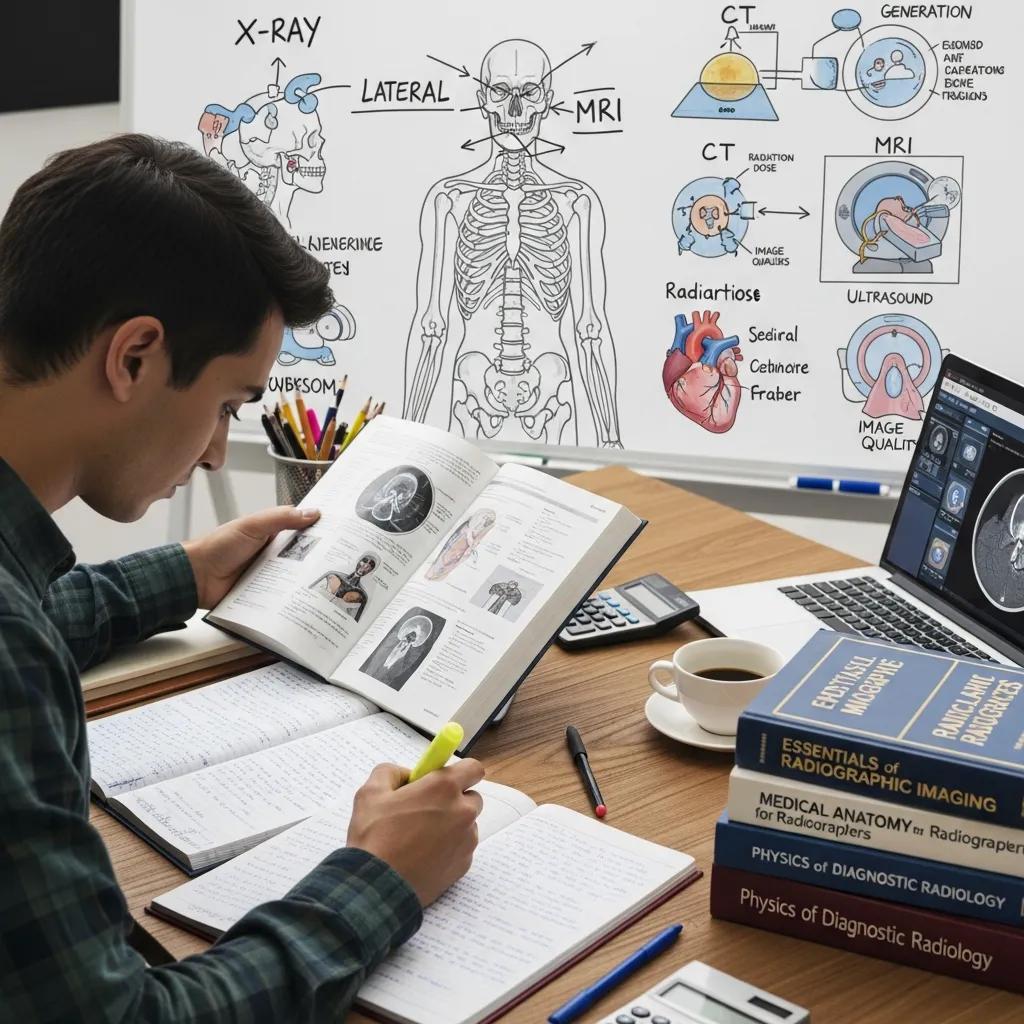
Radiography offers diverse career paths supported by technology advances, an ageing population and expanding diagnostic services. Demand is steady across public and private sectors, with options to specialise or move into advanced practice. Radiographers can focus on CT, MRI, mammography, ultrasound (where scopes overlap with sonography), bone densitometry and interventional imaging — most specialisations require extra training or credentialing. Typical progression runs from graduate radiographer to senior technologist, modality specialist and into leadership, clinical education or quality roles. The sections below outline high‑demand specialties and salary expectations at different stages.
Which Radiography Specialisations Offer the Best Opportunities?
Certain specialisations are consistently in demand because they meet complex diagnostic needs and require skills beyond entry‑level training. CT and MRI are sought after due to complex protocols and rising use of cross‑sectional imaging; mammography is essential for women’s health services and demands specialist training and sensitivity. Interventional radiography supports minimally invasive procedures and offers advanced technical and patient‑management roles; bone densitometry addresses growing needs around osteoporosis and community screening. Postgraduate coursework, employer‑sponsored upskilling or in‑service training increase employability and open doors to higher pay and leadership roles within imaging services.
Specialising often leads to stronger job prospects and higher pay. Balance the extra training needed against your long‑term career goals when choosing a focus.
What Are the Salary Expectations for Radiographers at Different Career Stages?
Radiographer salaries depend on experience, specialisation, employer type and location. Entry roles typically provide solid starting pay; mid‑career specialists earn a noticeable premium; senior or managerial roles command higher bands. Pay increases with advanced modality skills (CT/MRI), postgraduate qualifications, additional responsibilities and working in private metropolitan clinics, which often pay more. Many radiographers supplement income with weekend shifts, on‑call duties or sessional specialist work. Career routes into clinical education or management bring broader responsibility and higher pay. Understanding how skills, certification and workplace choice affect earnings helps you prioritise training and target suitable roles.
How Can Radiography Scholarships Support Your Medical Imaging Education?
Scholarships ease financial pressure, recognise achievement and may include commitments tied to regional or employer needs, helping students complete accredited programs and meet placement demands. Opportunities include university merit and equity awards, government or regional supports for rural students, and employer‑sponsored schemes which sometimes include placement or employment in return for funding. Start searching early, craft strong personal statements that link clinical motivation to community benefit, and gather referees who can speak to clinical suitability. The sections below outline scholarship types and practical tips to improve your chances.
What Types of Radiography Scholarships Are Available in Australia?
Scholarships generally fall into university awards, government or regional grants, and employer‑sponsored funding. University scholarships reward academic merit or help students facing financial hardship and may cover tuition or living costs. Government scholarships often target rural recruitment and may include post‑study work expectations. Employer‑sponsored scholarships can combine funding with guaranteed placements or early‑career positions, though details vary between providers. Match your circumstances to the scholarship type and prepare evidence of eligibility and motivation well before deadlines.
Funding can be unconditional or contingent on service or placement commitments. Read eligibility criteria carefully to focus your effort on the best matches.
How Do You Apply for Radiography Scholarships Successfully?
Strong scholarship applications combine clear evidence of eligibility with a concise personal statement linking academic potential to clinical motivation and community benefit. Start early, tailor each statement to the scholarship’s purpose, include specific examples of clinical interest or volunteer experience, and choose referees who can vouch for your reliability and people skills. Use a checklist to ensure all documentation — transcripts, ID and proof of residence for regional grants — is complete before closing dates, and prepare for interviews by practising answers about your clinical motivation and placement readiness. A structured, evidence‑based approach increases your chances and aligns scholarship outcomes with your study and placement plan.
Why Choose a Career in Radiography at Life Medical Imaging Central Coast?
Life Medical Imaging Central Coast is a diagnostic imaging provider and a potential clinical workplace for students seeking hands‑on exposure. Working for a provider that uses contemporary equipment and maintains professional standards supports both learning and career growth. The centre offers CT, X‑ray, ultrasound, bone densitometry, interventional procedures, women’s imaging and cardiac imaging, and emphasises ultra‑low dose and high‑definition imaging. A modern, comfortable environment and a team of skilled clinical and support staff give new graduates the chance to consolidate clinical skills and learn modality‑specific protocols. If you’re exploring placements, work experience or career opportunities, contact Life Medical Imaging Central Coast to discuss current options and how the centre supports clinical learning and patient care.
What Technology and Work Environment Does Life Medical Imaging Provide?
Life Medical Imaging Central Coast highlights up‑to‑date imaging technology and patient comfort, delivering ultra‑low dose and high‑definition imaging across multiple modalities. The centre’s services — CT, X‑ray, ultrasound, bone densitometry, interventional procedures, women’s imaging and cardiac imaging — expose staff to a varied caseload and a broad set of procedural skills. A professional, welcoming environment supports patient experience and staff learning, and working alongside qualified clinicians provides supervision and on‑the‑job mentorship for trainees. If you want a workplace that blends modern imaging with patient‑centred care, consider how this environment fits your training and placement goals.
What Career Development and Support Are Offered to Radiographers Here?
Life Medical Imaging Central Coast describes a team of skilled clinical and support staff and positions itself as a workplace that supports professional development through practical experience and in‑service learning. Career development typically includes modality upskilling, mentorship from experienced technologists and exposure to a range of procedures that broaden competence and employability. The centre’s service structure and referrer links suggest clear pathways to specialise in areas such as women’s imaging or interventional work as clinicians gain experience and credentials. For current vacancies, placement enquiries or to discuss early career support, contact Life Medical Imaging Central Coast to learn about available options and application processes.
What Are the Common Questions About Radiography ATAR and Career Pathways?
Prospective students often ask about average ATARs, whether radiography is a good career choice and which senior subjects strengthen an application. Clear, concise answers help with planning. Below are short, practical responses to common questions and next steps — including contacting clinical employers about placements and work experience.
What Is the Average ATAR Needed for Radiography in Australia?
ATAR requirements for undergraduate radiography and medical imaging degrees sit across a broad range because universities set different thresholds; a practical average for direct entry is roughly the high 60s to mid‑70s. Some universities or limited‑quota programs expect higher ATARs, while others offer alternate entry pathways such as diplomas, enabling courses or mature‑age admission that place less emphasis on ATAR. If your ATAR is below these bands, explore pathway diplomas or bridging programs that lead into the degree while building practical skills. For placement or local work‑experience questions, contact Life Medical Imaging Central Coast to discuss placement arrangements and employer expectations.
Is Radiography a Good Career Choice in Australia?
Radiography is a stable allied health career combining technical skill with patient care. Demand is supported by growing use of diagnostic imaging, advances in technology and an ageing population. The work can include shift hours and requires ongoing professional development and strong interpersonal skills, but many practitioners find the mix of technical challenge and clinical impact rewarding. Gaining employer exposure through placements or work experience helps you confirm whether radiography is the right fit and clarifies likely progression paths.
Which Subjects Should I Study to Improve My ATAR for Radiography?
To strengthen your ATAR and prepare for medical imaging degrees, focus on senior secondary subjects that show quantitative and scientific ability — especially English plus mathematics, physics and/or biology — as these map directly to university content. Take higher‑level maths or physics if possible, supplement classroom learning with lab experience, study groups and targeted tutoring, and develop practical skills through volunteer work or first aid training. Those experiences strengthen personal statements and interview answers. To link school preparation with clinical realities, consider contacting local diagnostic providers like Life Medical Imaging Central Coast about observation opportunities that can inform subject choices and boost applications.
- Academic preparation: Prioritise English and at least one science or maths subject to meet course prerequisites.
- Practical exposure: Seek healthcare volunteering or observation to support your application.
- Application readiness: Create a concise portfolio and secure referees who can vouch for your suitability for clinical placements.
These steps connect school subject choices with the admissions and workplace expectations universities and employers have, improving both ATAR outcomes and clinical readiness.
Frequently Asked Questions
What are the benefits of specialisation in radiography?
Specialising brings clearer career pathways, stronger job prospects and higher earning potential. As demand for advanced imaging grows, radiographers who focus on MRI, CT or interventional work are often in higher demand. Specialisation also creates opportunities in clinical education, management or research and usually comes with continuing professional development that keeps practitioners current with technology and best practice.
How does the job market look for radiographers in Australia?
The job market remains healthy, driven by an ageing population and increased use of diagnostic imaging. Both public and private sectors recruit radiographers for hospitals, clinics and specialist centres. Advances in imaging technology create new roles and specialisations, expanding career options. Graduates who complete solid placements and build a professional network are well placed to find employment after graduation.
What continuing education options are available for radiographers?
Continuing education includes postgraduate courses, workshops and professional development programs. Universities offer advanced qualifications in modalities such as MRI or CT, which can boost career prospects. Conferences and seminars help you stay current with technological and clinical advances. Ongoing education supports registration requirements and opens pathways into leadership roles.
What role does technology play in modern radiography?
Technology is central to modern radiography, improving image quality, workflow and diagnostic accuracy. Digital X‑rays, MRI and CT deliver clearer images and faster processing, while tools like artificial intelligence are increasingly used to support image analysis. Radiographers must keep up with technological change to deliver safe, efficient patient care.
How can I prepare for a career in radiography while still in school?
Prepare by studying science and mathematics, gaining practical experience through volunteering or observation, and joining health‑related activities or first‑aid training. Build a strong academic record and practical experience to strengthen your course application. Local diagnostic providers can often offer observation opportunities that help clarify career expectations.
What are the emotional challenges faced by radiographers?
Radiographers can face emotional challenges when working with anxious or unwell patients and when balancing patient comfort with the need for accurate imaging. The role can be stressful at times, so strong communication skills and emotional resilience are important. Support from colleagues and professional networks helps manage the emotional aspects of the job.
Conclusion
Understanding ATAR requirements and career pathways in radiography helps aspiring students make practical choices about study and training. By comparing universities, checking prerequisites and exploring scholarships and placement options, you can strengthen your application and career prospects. Engaging with local clinical employers like Life Medical Imaging Central Coast provides real‑world insight and valuable experience that improve employability. Take the next step — reach out to potential employers or explore further education resources today.