


Medical imaging qualifications explained — what certificates, registrations and accreditations mean in Australia
The term “medical imaging certificate” is often used loosely to describe the mix of university qualifications, professional registration and clinic accreditation that together support safe diagnostic imaging in Australia. This guide breaks down what people usually mean by that phrase, how education and regulatory bodies set clinical standards, and why those certificates matter for patients, referrers and employers. You’ll find clear explanations of the core degrees and registration steps for diagnostic radiographers, the ASAR pathways for sonographers, career progression and continuing professional development (CPD) for imaging staff, the role of clinic accreditation such as NATA on the Central Coast, and practical steps to check credentials. For health professionals and students we clarify career pathways; for patients and referrers we offer simple checks to verify practitioner competence and clinic quality. Throughout, we reference the Australian regulatory and accreditation bodies and show how a local provider like Life Medical Imaging Central Coast fits into the wider network of certified, patient-focused services.
What Are the Key Qualifications for Diagnostic Radiographers in Australia?
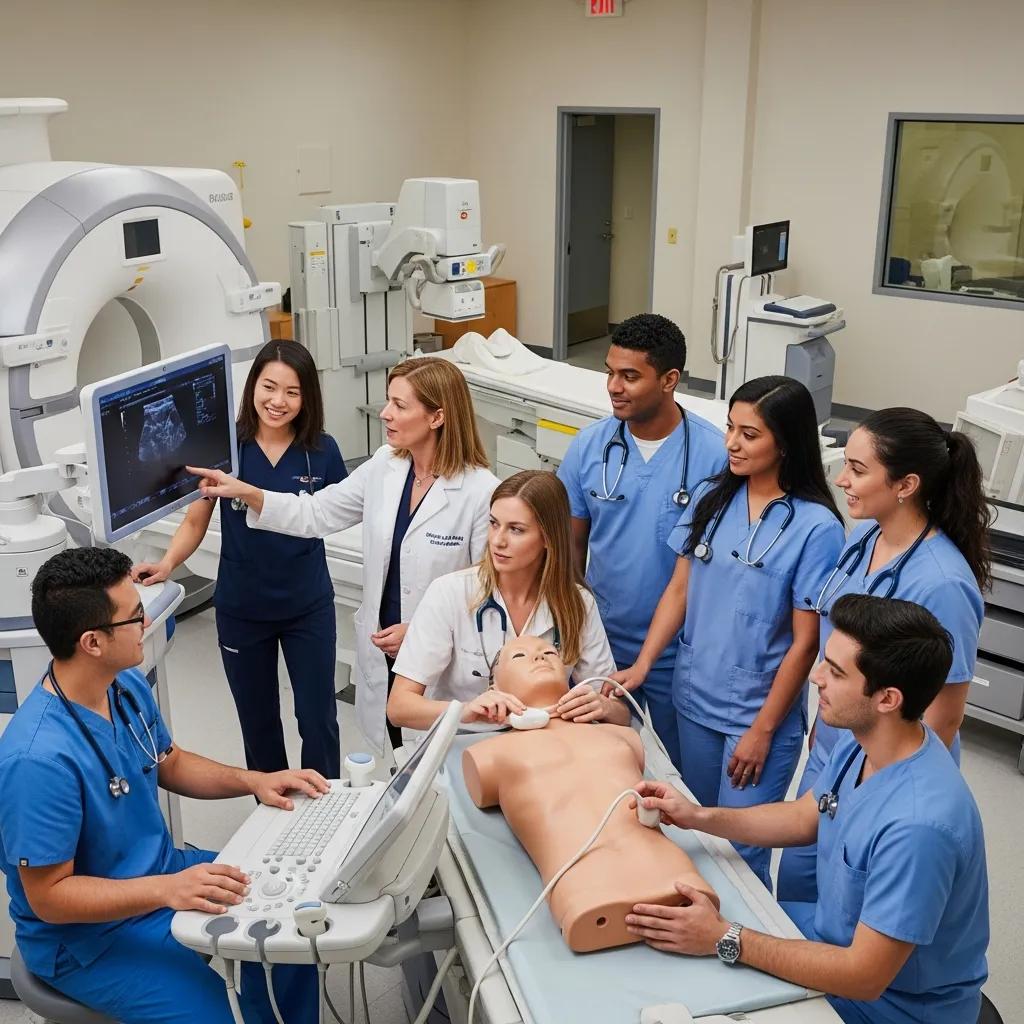
Diagnostic radiographers are healthcare professionals who combine imaging technique, radiation safety and detailed anatomical knowledge to produce diagnostic images. Their qualifications usually include an accredited tertiary degree plus registration with the national board. Training emphasises university study, supervised clinical placements and regulatory assessment to ensure competence across modalities such as digital X‑ray, CT and basic ultrasound. Knowing the qualification ladder helps employers and referrers confirm that a candidate holds both the formal credential and the hands‑on experience needed for safe practice. The table below summarises common educational routes and the outcomes they support for registration or employment.
Different academic pathways lead to distinct registration and employment outcomes.
This comparison shows undergraduate degrees provide the foundation for registration, while postgraduate options support conversion and specialisation. Next, we outline which specific degrees and certifications map to registration and clinical practice.
Which Degrees and Certifications Are Required to Become a Radiographer?
The usual route to become a diagnostic radiographer in Australia starts with an accredited undergraduate degree in medical radiation science or medical imaging. These programs blend theory with supervised clinical placements so graduates gain practical competence. Accreditation by professional and regulatory bodies ensures curricula cover radiation physics, imaging science, anatomy and clinical practice, plus assessed workplace hours. Domestic graduates from accredited programs generally meet eligibility for registration with the Medical Radiation Practice Board of Australia (MRPBA). International graduates may need credential assessment and additional supervised practice. These credentialing steps are central to employability in general X‑ray, CT and other imaging areas and form the basis for safe, continuing clinical practice.
Clinical placements during degree programs are where technical skills and professional behaviours are consolidated in real clinical settings. The next section explains how national registration complements academic qualifications through standards and oversight.
How Does AHPRA Registration Ensure Radiographer Professional Standards?
AHPRA, through the Medical Radiation Practice Board of Australia (MRPBA), provides the regulatory framework that governs registration, scope of practice and professional conduct for medical imaging practitioners. Registration confirms a practitioner meets national standards, follows the code of conduct, and participates in required CPD and performance review activities. Employers and referrers rely on registration as primary verification of a clinician’s legitimacy and fitness to practise. The board also handles complaints and can require remedial action when standards aren’t met. In short, registration complements academic credentials by offering public assurance and formal oversight of professional practice.
This regulatory framework is especially relevant when assessing sonographer pathways and ASAR accreditation, which we cover next.
What Are the Sonographer Training Pathways and Certification Requirements in Australia?
Sonographers specialise in diagnostic ultrasound and progress through pathways that combine accredited education, clinical experience and often listing on the Australian Sonographer Accreditation Registry (ASAR). Options include undergraduate degrees with ultrasound units, dedicated graduate diplomas, or postgraduate certificates designed to prepare candidates for ASAR recognition and advanced practice. Accredited programs ensure curricula cover sonographic physics, image interpretation fundamentals and supervised scanning hours. The table below compares common pathways and the accreditation or eligibility outcomes they typically deliver.
This comparison highlights that postgraduate diplomas are the clearest route to ASAR eligibility, while graduate certificates support targeted skill development and career transitions. Next, we explain ASAR accreditation and what it means for employability and diagnostic quality.
What Is ASAR Accreditation and Why Is It Important for Sonographers?
ASAR accreditation recognises sonographer competence by assessing education and clinical training against national standards for safe ultrasound practice. Accreditation checks both theoretical knowledge and completion of supervised clinical hours across relevant examination types, which together develop technical skill and diagnostic reliability. For employers and referrers, an ASAR listing signals a sonographer has met a recognised benchmark for education and hands‑on experience, increasing confidence in image acquisition and preliminary findings. Because ultrasound is so operator dependent, ASAR accreditation has a direct effect on diagnostic accuracy and patient outcomes.
ASAR: The Accreditation Authority for Sonographers in Australia
ASAR operates as the accreditation authority for sonographers and training programmes, while professional societies such as the ASA represent sonographers and ASMIRT represents medical radiation practitioners. ASAR’s role is to assess education and supervised clinical experience to ensure consistent standards across training providers.
Organisational and professional structures shaping the sonographer role in obstetrics, 2016
With ASAR’s role clear, the following section looks at how postgraduate study supports sonographer certification and specialisation.
How Do Postgraduate Diplomas and Graduate Certificates Support Sonographer Certification?
Postgraduate diplomas offer intensive coursework and structured clinical placements designed to meet accreditation requirements and deepen scanning competence in areas like vascular, obstetric or musculoskeletal ultrasound. Graduate certificates provide shorter, modular learning to upskill specific competencies and can act as stepping stones toward a full diploma or ASAR pathway when paired with supervised clinical experience. Employers value postgraduate qualifications for advanced scanning roles because they combine theoretical depth with verified hands‑on time. For clinicians aiming to specialise, postgraduate study clarifies scope, documents competency and supports structured career progression.
These training pathways feed directly into workplace development and career trajectories for imaging technologists, outlined next.
How Do Medical Imaging Technologists Build Their Careers in Australia?
Careers in medical imaging combine accredited education, progressive clinical experience and targeted CPD to move from entry‑level roles to specialist or advanced practice. Technologists often rotate through modalities, consolidate competence under supervision, and pursue postgraduate coursework or credentialing to gain skills in CT, MRI or interventional imaging. Employers look for CPD activity, leadership potential and evidence of clinical audit or quality improvement when considering promotions. The sections below outline common career stages, specialisation examples, and how CPD supports ongoing competence and progression.
Typical career progression follows a structured path that balances experience with credentialing.
- Graduate / Junior Technologist: Entry‑level position after an accredited degree, performing supervised imaging duties.
- Competent Practitioner: Independently manages routine examinations and contributes to workflow efficiency.
- Specialist / Advanced Practitioner: Assumes responsibilities in advanced modalities, leadership or interventional procedures.
These stages reflect increasing technical responsibility and the need for targeted education, which leads naturally to a closer look at the steps to advance.
What Are the Typical Career Progression Steps for Medical Imaging Technologists?
Career progression usually starts with a graduate role where new practitioners consolidate core imaging and radiation safety skills under supervision, then moves to independent practice as competency is assessed. To advance, many technologists undertake postgraduate qualifications, modality‑specific certifications or supervised advanced practice placements that document proficiency in CT, MRI or ultrasound sub‑specialties. Leadership roles commonly require evidence of quality improvement projects, mentoring experience and ongoing CPD, reflecting both technical ability and professional maturity. This staged approach ensures promotions align with verified competence and the capacity to manage complex imaging scenarios.
Ongoing learning is central to career advancement; the next section explains how CPD supports this.
How Does Continuing Professional Development Maintain Certification and Clinical Competence?

Continuing professional development (CPD) covers structured courses, case audits, conferences and online modules that keep skills current and meet registration or accreditation reporting requirements. CPD activities map to competency areas such as image interpretation, radiation safety, equipment operation and professional communication, so practitioners stay up to date with technology and best practice. The table below gives examples of CPD activities, the competency areas they target and how they add value to clinical practice.
These CPD formats show the link between planned learning and better patient care. Employers who support CPD help staff progress and reassure referrers that competence is maintained.
Life Medical Imaging Central Coast supports CPD and career progression for clinical staff; clinicians interested in development opportunities can view the organisation’s careers section for current roles and training pathways.
Why Is Accreditation Important for Radiology Clinics on the Central Coast?
Clinic accreditation — for example NATA assessment of equipment calibration and quality systems — gives independent assurance that a diagnostic imaging service follows recognised technical and management standards that protect patient safety and diagnostic reliability. Accreditation looks at equipment performance and calibration, standard operating procedures, staff competence records and quality control processes; together these measures reduce technical errors and ensure traceability of results. For patients and referring clinicians on the Central Coast, accreditation supports confidence that reports come from a service with consistent protocols and participation in external quality assurance. Below we outline the core elements of NATA assessment and how certified staff contribute to better outcomes.
Understanding NATA assessment helps set expectations for accredited clinics.
- Equipment and calibration: Confirms imaging hardware performs within specified tolerances and produces consistent images.
- Technical procedures and protocols: Standardises techniques to reduce variability and repeat scans.
- Staff competence and training records: Verifies personnel hold appropriate qualifications and ongoing CPD evidence.
Those audit areas directly affect diagnostic quality and patient safety; the next subsection explains what NATA assessment practically covers.
What Does NATA Accreditation Mean for Diagnostic Imaging Quality?
NATA accreditation involves formal audits of technical and management systems to confirm equipment calibration, measurement traceability and quality control meet national standards. Auditors review service documentation, maintenance logs, staff training records and quality assurance programs to verify imaging outcomes are reproducible and safe. For clinicians and referrers, NATA status signals that a clinic has processes to reduce equipment‑related variability and maintain data integrity. Patients benefit from fewer repeat studies, accurate dose monitoring and greater confidence that images were acquired under controlled conditions.
Reducing variability in imaging starts with trained, certified staff, which we discuss next.
How Do Certified Professionals Enhance Patient Safety and Diagnostic Accuracy?
Certified professionals bring documented knowledge and clinical experience to image acquisition, patient positioning and protocol selection, reducing technical errors and unnecessary radiation exposure. Specialist training in modalities such as CT or vascular ultrasound improves the ability to recognise artifacts, tailor protocols for complex patients and capture diagnostically useful images first time. Certification and ongoing CPD also foster clearer communication with reporting radiologists through consistent image sets and clinical context, which together raise diagnostic accuracy. When accredited equipment and certified staff work together, clinics deliver higher reliability that benefits patients and referrers alike.
After considering local accreditation, clinicians and patients often want straightforward steps to verify credentials — we cover those next.
What Are the Certification Requirements for Ultrasound Specialists in Australia?
Ultrasound specialists typically need a mix of recognised tertiary qualifications, extensive supervised scanning hours and formal recognition via ASAR or specialist college pathways, depending on the clinical context. Common educational credentials include degrees in medical imaging plus postgraduate diplomas or certificates focused on ultrasound. Specialist recognition often requires documented case logs and demonstrated competency across examination types. These credentials broaden a sonographer’s scope, enabling management of complex imaging tasks and closer collaboration with multidisciplinary teams. The paragraphs below compare credential types and consider the clinical impact of specialist certification.
Credential differences reflect varying depth of training and clinical expectation.
- Undergraduate degrees with ultrasound units: Provide foundational skills for general practice.
- Postgraduate diplomas: Deliver intensive clinical preparation for specialist practice.
- Specialist recognition / ASAR listing: Requires documented supervised practice and supports advanced clinical roles.
Next we list the specific educational credentials commonly needed for specialist pathways.
Which Educational Credentials Are Needed for Ultrasound Specialist Certification?
Typical credentials for ultrasound specialists include an accredited bachelor degree with a substantial ultrasound component, a graduate diploma in medical ultrasound for focused clinical training, or postgraduate certificates concentrating on sub‑specialties such as musculoskeletal or vascular ultrasound. These programs generally require supervised clinical hours across core examination types, assessed competencies in image acquisition and reporting basics, and coursework in ultrasound physics and patient safety. Alignment with ASAR or equivalent accreditation ensures the credential matches recognised standards for scope of practice and employability. Because specialist roles demand both depth and breadth of scanning experience, choose programs with strong clinical placement arrangements.
Demonstrated specialist competence expands service capability and multidisciplinary impact, described next.
How Does Specialist Certification Impact Diagnostic Ultrasound Services?
Specialist certification equips sonographers to manage complex or high‑acuity cases, perform advanced scanning protocols and contribute confidently to multidisciplinary case discussions, improving diagnostic resolution for challenging presentations. Certified specialists reduce the need for repeat imaging by capturing optimal views and can provide more detailed preliminary findings to assist referrers and reporting clinicians. From a service viewpoint, having specialist sonographers strengthens referral confidence and streamlines patient pathways for technically demanding investigations. Ultimately, specialist certification raises both the scope and reliability of ultrasound services available to patients and clinicians.
The final section explains how to verify practitioner credentials and interpret certificates and accreditation claims.
How Can You Verify and Understand Medical Imaging Certificates and Professional Standards?
Verifying medical imaging certificates involves checking practitioner registration with the national regulator, confirming specialist listings on professional registries and reviewing clinic accreditation statements and staff qualifications published by the service. Practical steps include searching the national registration register for current status, consulting the ASAR registry for sonographer listings, and checking that education programs are described as accredited by the relevant authorities. These steps provide independent confirmation of credentials. For patients and referrers, a short checklist simplifies the process and makes it easier to understand what certificates and accreditations actually mean.
Use this checklist when assessing practitioners or clinics:
- Check practitioner registration: Confirm current registration status and any public notices or restrictions.
- Look for ASAR or specialist listings: Verify sonographer accreditation or specialist recognition where relevant.
- Confirm clinic accreditation: Ensure the imaging service states accreditation such as NATA and describes its quality systems and equipment standards.
These verification steps point patients and referrers to trustworthy sources and reduce uncertainty. Next we list where to find official information and how to use it.
Where Can You Find Official Information on Medical Imaging Certifications in Australia?
Official information is published through national practitioner registers and professional accreditation registries that list current registration status, accredited education programs and recognised specialist listings. These resources allow searches by practitioner name or accreditation number. Professional bodies and education providers also publish course accreditation details and the clinical hours required for recognition, which helps interpret academic credentials. When evaluating a practitioner or clinic, cross‑referencing the national register with the appropriate accreditation registry gives the most reliable confirmation. After checking these sources, patients or referrers can contact the imaging service directly for clarification about staff roles or referral steps.
Being clear about what clinics issue and what individuals hold prevents common misconceptions; the next section addresses those questions.
What Are the Common Questions About Medical Imaging Certificates?
Common public questions include whether clinics issue “medical imaging certificates” and how to confirm a sonographer or radiographer is accredited. The short answer is clinics do not award academic or professional certificates — individuals receive qualifications from universities and recognition from professional registries. Practical checks are to confirm a practitioner’s registration on the national register and to check ASAR or equivalent listings for sonographers; clinic accreditation badges indicate institutional quality systems rather than individual academic awards. If you’re unsure, contact the imaging service’s enquiries team to ask about staff qualifications and referral procedures — for example, Life Medical Imaging Central Coast publishes information about its accredited services and referral pathways and can assist with appointments or referring queries.
This guidance links verification steps to practical clinic practices and helps you make informed choices about imaging providers and practitioners.
Frequently Asked Questions
What is the role of continuing professional development (CPD) in medical imaging?
CPD keeps imaging practitioners up to date with new technologies and best practice. It includes workshops, online courses, case audits and conferences that maintain and expand clinical skills. CPD not only improves patient safety and diagnostic accuracy, it’s often a requirement for maintaining registration with regulatory bodies — so it matters for both individual practitioners and the services they work in.
How can patients ensure they receive quality imaging services?
Patients can check a clinic’s accreditation and confirm practitioner registration. Look for NATA accreditation as an indicator of equipment and quality systems, and verify clinicians on the national registration register (MRPBA/AHPRA) or the ASAR registry for sonographers. If in doubt, ask the clinic for details about staff qualifications and quality processes — a transparent service will provide clear answers.
What should I look for in a medical imaging clinic?
Choose a clinic that lists recognised accreditation (for example NATA), employs certified professionals who keep up with CPD, and gives clear information about services and referral pathways. Patient reviews and recommendations from your GP can also help. A clinic that openly explains staff roles and accreditation is more likely to offer reliable, consistent imaging care.
Are there specific certifications for advanced imaging modalities?
Yes. Advanced modalities such as CT, MRI and specialised ultrasound commonly require postgraduate training or targeted certificates. Sonographers often pursue ASAR accreditation, while radiographers may undertake further qualifications for advanced imaging techniques. These certifications strengthen clinical expertise and improve the quality of diagnostic services.
What is the significance of accreditation for medical imaging professionals?
Accreditation shows a practitioner or training program has met established educational and clinical standards for safe practice. Bodies such as ASAR and the MRPBA/ AHPRA set criteria for education, training and ongoing development. Accreditation provides assurance to patients and employers that practitioners have the skills and oversight needed for high‑quality diagnostic imaging.
How can I find information about a medical imaging professional’s credentials?
To check credentials, search the national registration register maintained by AHPRA for current practitioners and status, and consult the ASAR registry for sonographer listings. You can also ask the imaging clinic directly for details on staff qualifications and accreditation. These steps help ensure you’re receiving care from qualified professionals.
Conclusion
Knowing how qualifications, registration and accreditation fit together makes it easier to choose trusted imaging care. Verifying practitioner credentials and recognising accredited clinics helps ensure patient safety and diagnostic quality. If you’d like to learn more or confirm a practitioner or service, visit our website or contact Life Medical Imaging Central Coast for help — we’re happy to assist you in making informed healthcare choices.