


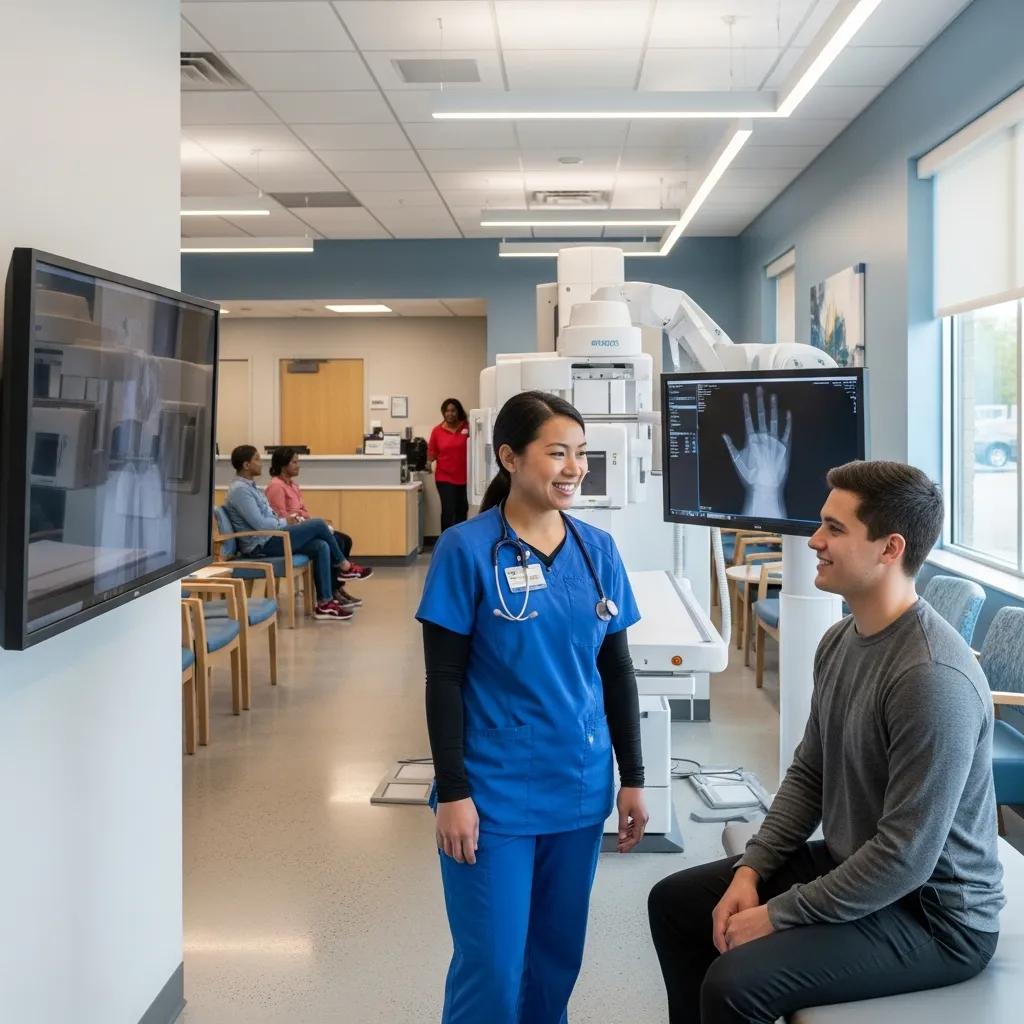
Urgent medical imaging on the Central Coast — same‑day scans near you
Urgent medical imaging covers diagnostic scans done quickly to answer time‑sensitive clinical questions — for example, suspected fractures, sudden abdominal pain or neurological emergencies. We use targeted tests (digital X‑ray, ultrasound, CT and MRI) to show internal structures fast so clinicians can make immediate treatment or triage decisions. This guide explains when each modality is most useful, how same‑day and walk‑in pathways work across the Central Coast, and practical steps patients and referrers can take to secure urgent imaging today. You’ll find clear triage pointers for common presentations, step‑by‑step booking routes for ultrasound and CT, clinic‑by‑clinic availability, and short preparation checklists to speed your visit. Read on to learn where to go for urgent X‑ray, how to arrange same‑day ultrasound, when CT is required, which clinics support immediate needs across the Central Coast, and how to prepare efficiently for your scan.
Find Urgent Walk-In X-Ray Services on the Central Coast Today
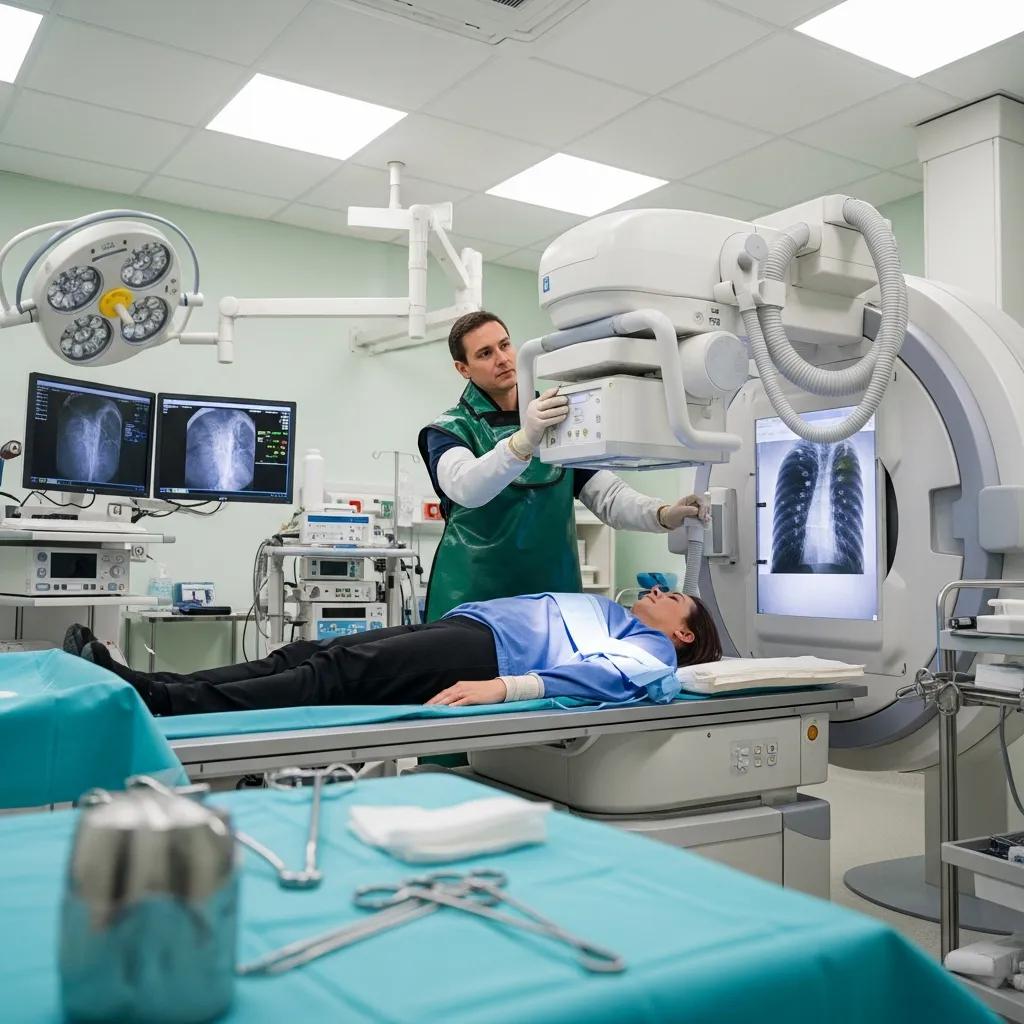
Walk‑in X‑ray services provide rapid radiographic imaging for time‑sensitive problems using digital X‑ray equipment that delivers high‑resolution images for clinician review. X‑ray is especially useful for visualising bones, acute chest changes and some foreign bodies with minimal preparation and a low radiation dose. For urgent presentations, walk‑in X‑ray can shorten time‑to‑diagnosis by avoiding scheduled appointment queues when immediate imaging is clinically warranted. Below we outline common conditions best managed with urgent X‑ray and explain how same‑day walk‑in workflows operate at local clinics to help you pick the right pathway.
What conditions require immediate X‑ray imaging?
Immediate X‑ray is appropriate for suspected bone fractures, obvious joint dislocations and injuries where confirming bone integrity quickly is essential. Chest X‑ray is commonly used for acute respiratory symptoms to assess for pneumothorax, consolidation (possible pneumonia) or large pleural effusion before further testing. X‑ray is also useful for visible foreign bodies in soft tissue and for a targeted, rapid assessment of significant focal pain when bony injury is suspected. Knowing these indications will help you decide whether to attend a walk‑in X‑ray clinic or whether CT or ultrasound might be a better first step depending on the area and urgency.
Common urgent X‑ray indications include:
- Suspected bone fracture after trauma or a fall.
- Acute chest symptoms suggesting pneumothorax or consolidation.
- Visible or suspected soft‑tissue foreign body.
Use this list to determine when X‑ray is the appropriate first test and the next steps for urgent imaging.
How does Life Medical Imaging provide same‑day walk‑in X‑ray?
Life Medical Imaging Central Coast runs multiple clinics fitted with digital X‑ray units and a clinical triage process to prioritise urgent cases. Walk‑in patients are assessed by reception and radiography staff who review the referral or presenting complaint, perform the X‑ray and organise quick reporting so the referring clinician receives results promptly. Patients can check clinic availability and request an appointment; for true walk‑ins, a quick phone call can confirm whether to attend or book the next available slot. For immediate assistance call Life Medical Imaging Central Coast on 02 4326 7000. Our locations include Bateau Bay, Killarney Vale, Umina Beach and Erina — giving you several options for same‑day access across the Central Coast.
That clinic workflow leads into the booking options for other urgent modalities such as ultrasound, where referral type and preparation affect same‑day access.
How can I book an ultrasound appointment today near me on the Central Coast?
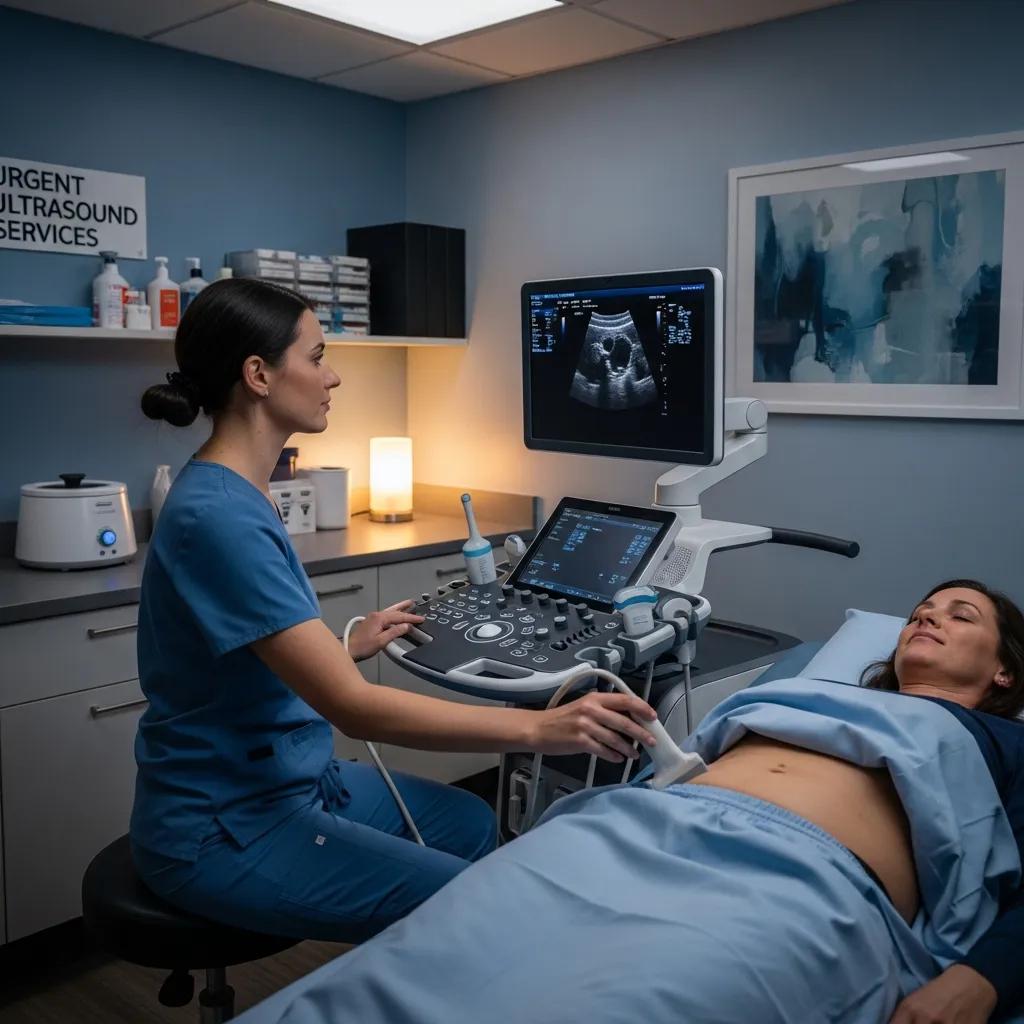
Urgent ultrasound uses high‑frequency sound waves to produce real‑time images of soft tissue, organs and blood vessels. It’s ideal for acute abdominal pain, suspected fluid collections and targeted musculoskeletal problems. Ultrasound involves no ionising radiation and often needs minimal preparation, which makes same‑day assessment possible when urgency is documented. Booking pathways typically include online appointment requests, phone booking and eReferral from referrers — understanding these options helps secure faster access. Below we list common same‑day ultrasound types and explain the immediate booking process for patients and referrers.
What types of ultrasound are available for same‑day appointments?
Same‑day ultrasound commonly covers abdominal and pelvic scans for acute pain, soft‑tissue and musculoskeletal ultrasound for lumps or tendon injuries, and early obstetric scans when pregnancy‑related bleeding or pain needs urgent evaluation. Abdominal ultrasound can identify gallstones, fluid collections and some signs of appendicitis in selected cases, while musculoskeletal ultrasound visualises tendons, ligaments and superficial masses quickly. Obstetric scans assess viability and detect early complications. The referrer’s clinical question determines the most appropriate ultrasound type and how it’s triaged for same‑day scheduling.
Typical same‑day ultrasound options:
- Abdominal and pelvic ultrasound for acute abdominal pain.
- Soft‑tissue and musculoskeletal ultrasound for lumps and tendon injuries.
- Early obstetric ultrasound for pain or bleeding concerns.
These options help referrers and patients choose the correct urgent ultrasound pathway.
What is the process for immediate ultrasound at Life Medical Imaging?
Immediate ultrasound at Life Medical Imaging Central Coast starts with a clinical referral or eReferral indicating urgency. Triage staff prioritise scans by clinical need and sonographer availability. Patients should bring identification and any referral paperwork; simple preparation (for example, a full bladder for pelvic scans) may be required depending on the study. Sonographers perform the scan and urgent reports are communicated promptly to the referrer so clinical decisions and follow‑up can happen without delay. To request an urgent ultrasound or check same‑day availability, use the clinic’s online appointment request or call 02 4326 7000 to discuss options.
This operational overview leads into when CT is required urgently and how to prepare for it.
Where can I access urgent CT scan services near me on the Central Coast today?
Urgent CT delivers fast, high‑resolution cross‑sectional imaging essential for time‑critical conditions. CT combines speed with detailed visualisation of the brain, chest, abdomen and trauma injuries. It’s preferred when complex anatomy, intracranial concerns, vascular emergencies or major trauma need detailed assessment — the scanner rotates X‑ray beams to create slice‑by‑slice images that help diagnose stroke, serious abdominal pathology or pulmonary embolism quickly. Same‑day CT access depends on clinical urgency, the referrer pathway (ED, urgent GP referral or eReferral) and scanner availability at local clinics. The sections below list CT types commonly available for same‑day imaging and explain how to prepare and book an emergency CT locally.
Which CT scan types are available for same‑day imaging?
Same‑day CT studies commonly include non‑contrast head CT for acute neurological symptoms, CT chest for pulmonary concerns and CT abdomen/pelvis for severe abdominal pain or trauma. Head CT is the fastest way to detect acute haemorrhage or mass effect in suspected stroke or head injury; abdominal CT assesses perforation, obstruction or inflammatory conditions; chest CT evaluates pulmonary embolism or complex thoracic disease. Some studies require intravenous contrast, which adds preparation and screening for kidney function and allergies. Choosing the correct CT protocol maximises diagnostic value and informs urgent management.
Urgent CT types often available:
- Non‑contrast head CT for acute neurological change.
- Contrast or non‑contrast abdominal/pelvic CT for severe abdominal pain.
- CT chest for suspected pulmonary embolism or complex thoracic pathology.
These options clarify when CT is the appropriate next step after initial triage or X‑ray.
How to prepare and book an emergency CT scan at Life Medical Imaging?
Preparing for an emergency CT at Life Medical Imaging Central Coast includes confirming any history of contrast allergy, providing recent renal function results if contrast is planned, and following fasting instructions when required. These checks reduce risk and ensure the correct protocol is used. Booking routes for urgent CT usually follow three pathways: emergency department referrals for immediate inpatient imaging, urgent GP eReferral with documented clinical urgency, or direct contact to discuss same‑day outpatient slots with triage staff. Patients should bring photo ID and referral paperwork; staff will confirm contrast needs and give arrival instructions. To secure same‑day CT or discuss urgency, phone Life Medical Imaging Central Coast on 02 4326 7000 for triage and booking options across our clinics.
The CT preparation details above lead into a consolidated overview of urgent services across Central Coast sites.
What radiology services are available for immediate needs across Central Coast locations?
Across our local clinics we offer digital X‑ray, diagnostic ultrasound, CT scanning and selected women’s and paediatric imaging to support urgent assessment. Together these modalities form a practical urgent imaging network: X‑ray for suspected fractures, ultrasound for soft‑tissue or obstetric concerns, and CT for complex or potentially life‑threatening presentations. To compare which clinics provide which urgent services and whether walk‑in access is offered, the table below summarises service availability by site so patients and referrers can choose the nearest appropriate location. After the table we outline weekend and after‑hours options and how to confirm same‑day availability.
Different clinics on the Central Coast provide varying urgent‑capable services; the table helps clarify your options quickly.
This comparison shows which sites are likely to meet immediate needs and whether you should phone ahead or present as a walk‑in.
Which Life Medical Imaging clinics offer urgent services today?
Life Medical Imaging Central Coast operates clinics at Bateau Bay, Killarney Vale, Umina Beach and Erina, collectively offering urgent‑capable X‑ray, ultrasound and CT services. Our NATA accreditation supports consistent imaging quality and reporting standards. Each clinic uses clinical triage to decide whether a walk‑in X‑ray is appropriate or whether an appointment is needed for ultrasound or CT; this balances patient safety, scanner availability and reporting timelines. For urgent needs call 02 4326 7000 to discuss triage, or use the online appointment request options labelled “Request An Appointment” or “Book Online Now!” to reserve same‑day or the next available slot. Centralised phone and online options help referrers and patients find the nearest clinic with the right modality and confirm current availability before travelling.
These contacts and booking routes also help confirm weekend and after‑hours options, which we cover next.
Are weekend and after‑hours radiology appointments available near me?
Weekend and after‑hours availability varies by site and modality. Emergency departments and hospital radiology manage life‑threatening cases after hours, while outpatient clinics may offer limited weekend slots for selected studies. To confirm weekend or after‑hours access for urgent but non‑emergency imaging, contact the clinic directly by phone or use the online appointment request to check current availability. For true emergencies, the emergency department remains the primary after‑hours pathway for immediate CT or X‑ray; they will arrange urgent outpatient follow‑up if needed. Calling ahead ensures you understand whether a walk‑in is accepted today or if you need to book an appointment.
With hours and after‑hours pathways understood, the next section covers how to prepare for your urgent visit.
How do I prepare for urgent medical imaging appointments today near me?
Good preparation reduces delays and the chance of cancelled or repeated scans. Most urgent modalities need simple checks such as a referral, photo ID, and study‑specific preparation (contrast checks or a full bladder for pelvic ultrasound). CT with contrast requires renal safety checks and sometimes fasting; some ultrasounds need a full bladder or fasting depending on the area; X‑ray mainly requires removal of metal and a referral if available. Below is a quick prep table showing typical requirements by procedure, followed by practical steps and a checklist of documents to bring.
This preparation table sets expectations and helps avoid unnecessary delays when you attend for urgent imaging.
Documents and items to bring for urgent imaging:
- A printed or electronic referral from your GP or the emergency department.
- Photo identification and any relevant previous imaging reports if available.
- A list of current medications and known allergies, especially to contrast agents.
What referral and billing information do I need for same‑day imaging?
For same‑day imaging you normally need a valid clinical referral — GP, ED or eReferral — and photo ID to confirm identity. Referrals should state the clinical urgency to support triage for same‑day slots. Billing and Medicare or private health arrangements should be checked with the clinic ahead of attendance where possible; for urgent or emergency imaging organised through a public hospital ED, billing follows hospital pathways. If you’re unsure about referral type or billing, call the clinic to confirm required documents and avoid delays. Clear referral and billing preparation helps staff prioritise urgent cases and speeds reporting to the referrer.
With documentation and billing clear, the next section explains what to expect during your urgent imaging visit.
What should I expect during an urgent imaging visit at Life Medical Imaging?
Your urgent imaging visit begins with triage and check‑in, where staff confirm referral details, identity and any contrast or safety considerations. This ensures we select the correct protocol for rapid imaging. Radiographers and sonographers perform the scan with attention to patient comfort and radiation safety, and urgent studies are prioritised in reporting so the referring clinician receives results quickly. Reports are sent to the referrer and patients are advised on next steps or further imaging if required; staff can also explain how results will be communicated. Expect a focused, clinically driven pathway designed to reduce time‑to‑diagnosis and coordinate next steps with your referrer.
These steps complete the patient preparation and set clear expectations for the urgent imaging journey.
What are the most common questions about urgent medical imaging services today near me?
Common questions include whether walk‑in X‑rays are available, how quickly same‑day ultrasound or CT can be arranged, what documentation is needed, and whether clinics operate on weekends. Concise answers below give practical steps patients and referrers can take today. Each short answer includes an action to confirm availability or secure imaging promptly.
Can I get an X‑ray without an appointment on the Central Coast today?
Yes — many clinics accept walk‑in X‑rays for clear urgent indications if clinical triage supports immediate imaging and the facility has capacity. Walk‑in acceptance depends on local demand and clinic workflow, so it’s best to phone ahead to confirm whether walk‑in X‑ray is being accepted that day and to check any documentation requirements. If you have a referral, bring it to help with reporting; if not, staff will advise based on the presentation. Calling first reduces travel time and helps you get to the right site for urgent X‑ray.
This guidance points readers to call or use online booking tools to check same‑day walk‑in options and continues into expected booking timelines for other modalities.
How quickly can I book a same‑day ultrasound or CT scan near me?
Speed of same‑day booking depends on clinical urgency, the study required and scanner or sonographer availability. Emergency department referrals typically secure the fastest access, while urgent outpatient eReferrals may achieve same‑day or next‑available slots. To improve the chance of same‑day imaging, referrers should clearly state urgency and contact the clinic triage team by phone; patients can also use the online appointment request to check immediate availability. Flexibility about which clinic to attend (Bateau Bay, Killarney Vale, Umina Beach or Erina) also helps. Knowing these variables enables referrers to choose the most efficient pathway for urgent diagnostic imaging.
Implementing alternative clinical pathways — for example, directing non‑emergent cases from ED to community ultrasound centres — can reduce pressure on emergency departments and improve patient flow. Such pathways aim to lower return visits for non‑urgent scans and optimise ED resources.
Reducing emergency department return visits using community ultrasound imaging pathways
After‑hours ultrasound availability in many emergency departments is limited, placing extra demand on patients and ED resources. An alternative clinical pathway directing ED clinicians to community ultrasound centres for selected non‑emergent scans can reduce that burden. Following a root cause analysis and process mapping, a multidisciplinary team introduced a pathway to use community radiology centres for next‑day ultrasound. Comparing ED data before (2019–21) and after implementation (2022) showed a 48% reduction in patients returning to the ED the following day for ultrasound, with no change in length of stay. The initiative demonstrated that community imaging pathways can significantly decrease unnecessary ED return visits for ultrasound.
Key action steps to secure urgent imaging today:
- Call the clinic triage team with the referral and urgency details.
- Use eReferral or the online appointment request to document urgency when available.
- Bring photo ID, your referral and any relevant prior imaging to speed processing.
This table summarises expected wait times and practical tips to help patients and referrers secure urgent imaging promptly.
Frequently asked questions
What should I bring to my urgent imaging appointment?
Bring a printed or electronic referral from your GP or the emergency department, photo identification and any prior imaging reports you have. Also bring a list of current medications and any known allergies — particularly to contrast agents. Having these items ready speeds triage and helps us get your scan done without delay.
How do I know if my condition requires urgent imaging?
If you have severe pain, a suspected fracture, new neurological symptoms or acute respiratory problems, urgent imaging may be needed. Speak to your GP, presenting clinician or call the clinic for advice — they can help determine whether immediate imaging is appropriate.
Can I get a CT scan without a referral?
Generally a valid clinical referral is required for CT, especially for urgent studies. The referral should state the clinical urgency to help secure same‑day imaging. If you don’t have a referral, see a GP or present to ED so a clinician can assess you and provide the necessary documentation. Clinic policies vary, so call ahead if you’re unsure.
What are the typical wait times for urgent imaging services?
Wait times vary by imaging type and clinic capacity. Walk‑in X‑rays are often available same‑day when accepted. Ultrasound may be available the same day to within 48 hours depending on urgency. CT usually requires ED or urgent referrer coordination for same‑day access. Contact the clinic for the most accurate wait estimates.
Are there any risks associated with urgent imaging procedures?
Most urgent imaging — X‑ray, ultrasound and CT — is safe, but there are some considerations. CT uses ionising radiation, so risks are weighed against the benefit, especially in pregnancy. Contrast used for some CT studies can cause allergic reactions or affect kidney function; always tell staff about allergies and recent kidney tests. Discuss any concerns with your referrer or our staff before the scan.
What happens if I miss my appointment for urgent imaging?
If you miss an urgent appointment, call the clinic as soon as possible. We’ll advise on rescheduling and whether same‑day imaging remains possible. Policies and availability differ between sites, so early contact helps avoid unnecessary delays in your care.
Can I access urgent imaging services outside of regular hours?
After‑hours availability differs by clinic. For true emergencies, hospital ED imaging is the primary after‑hours option. Some outpatient clinics offer limited weekend or after‑hours slots for urgent but non‑emergency scans — call to confirm whether a walk‑in or appointment is required.
Conclusion
Access to urgent medical imaging across the Central Coast helps clinicians reach timely diagnoses and start treatment sooner. With walk‑in X‑rays, same‑day ultrasounds and expedited CT pathways, patients can get the imaging they need without unnecessary delay. Understanding the booking and preparation steps makes the process smoother. For immediate assistance call Life Medical Imaging Central Coast on 02 4326 7000 or use our online appointment options today.